
There will be an IDS Deutzia Study Study here on Saturday May 24th. Book here.
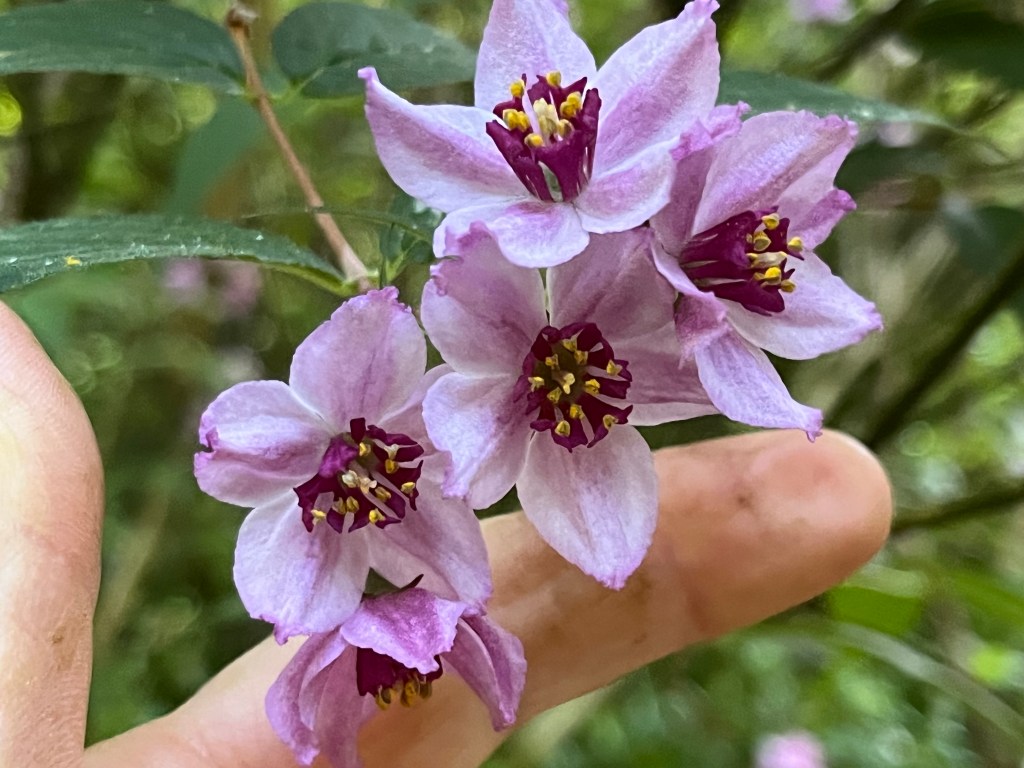

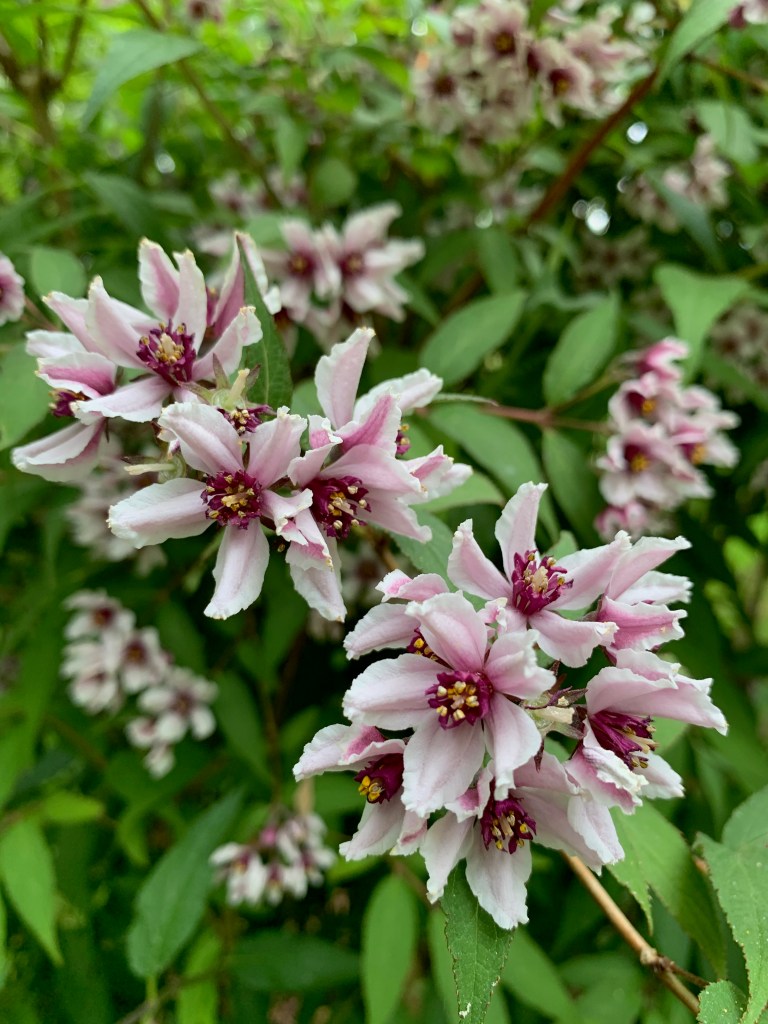
I’ve been surprised this year how robust our early Deutzias have proven to be, with the driest March and April on record for Kent followed by some weeks of daily sun and temperatures over 20C. It’s a new discovery to add to what we’ve learned by growing a wide range of this genus since the 1990s, when I was among a very few interested in new wild species.
Deutzias are fast growing, reliable and showy flowering shrubs which create significant impact in the landscape, some across a remarkably long season. They are ideal for co-planting with other May genera such as Wisteria or Viburnum plicatum, for planting against evergreen foliage backgrounds, and for decorating the edges of a planted woody border. Many tolerate full sun remarkably well. Blooming period appears to be driven more by daylight length than variation in weather conditions, as although opening early this year with the heat, they have remained fresh, though fading, through an extended period.
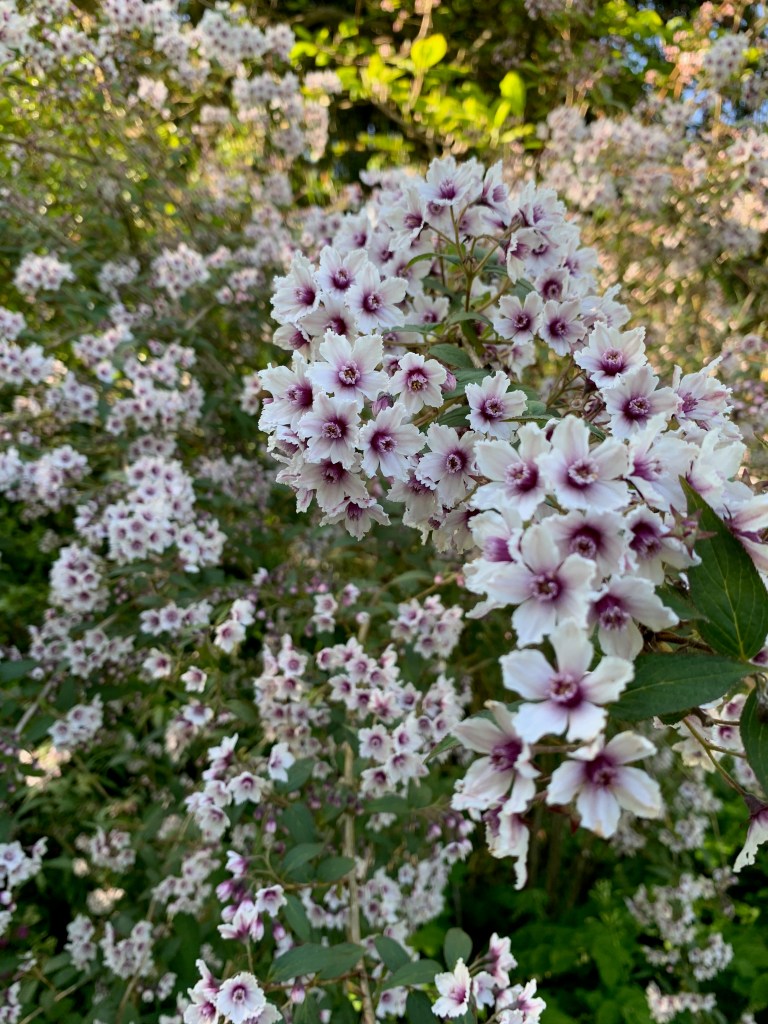
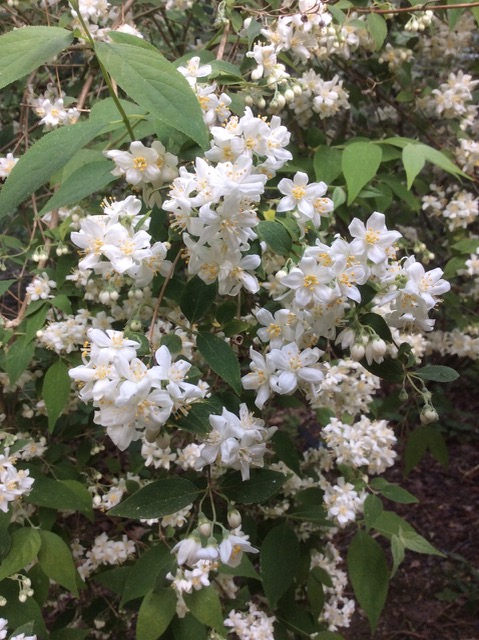
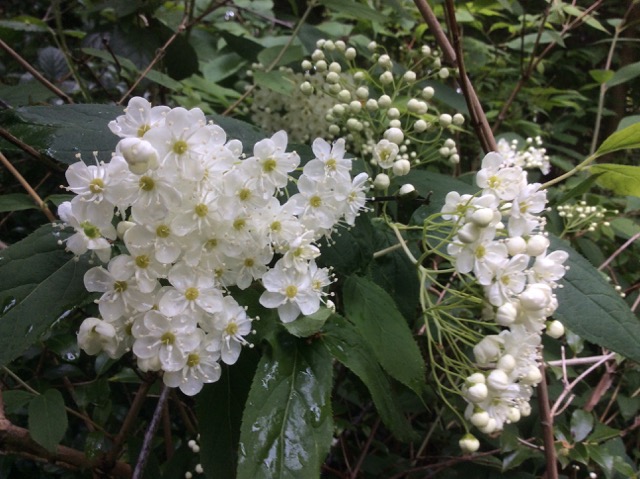
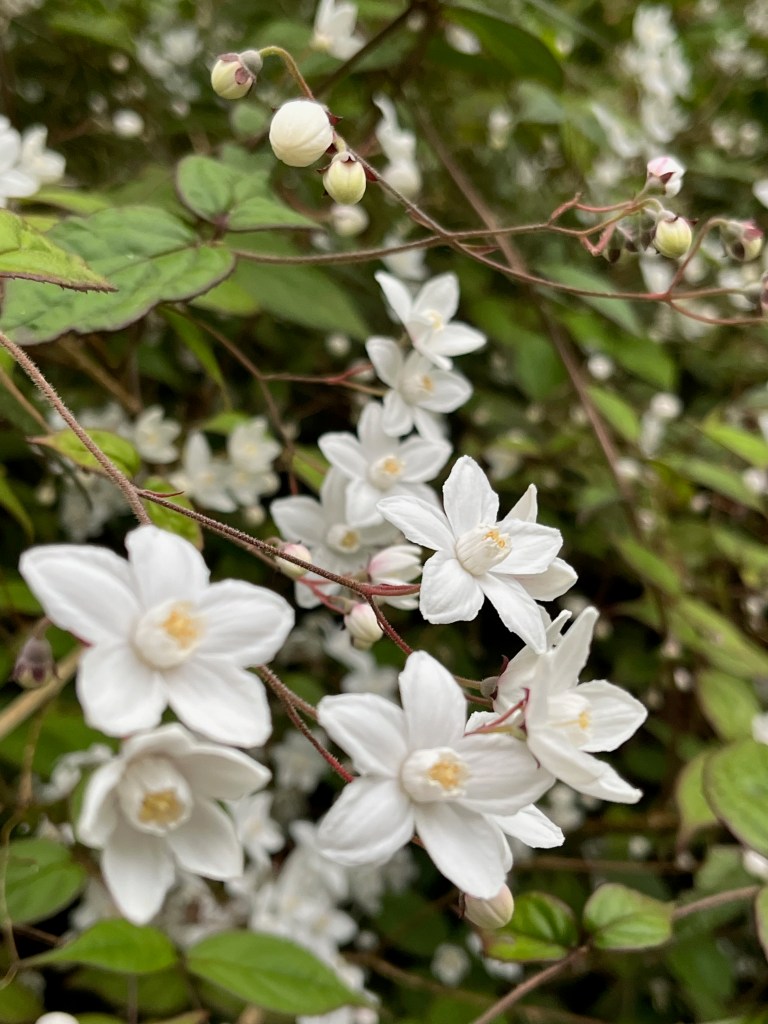
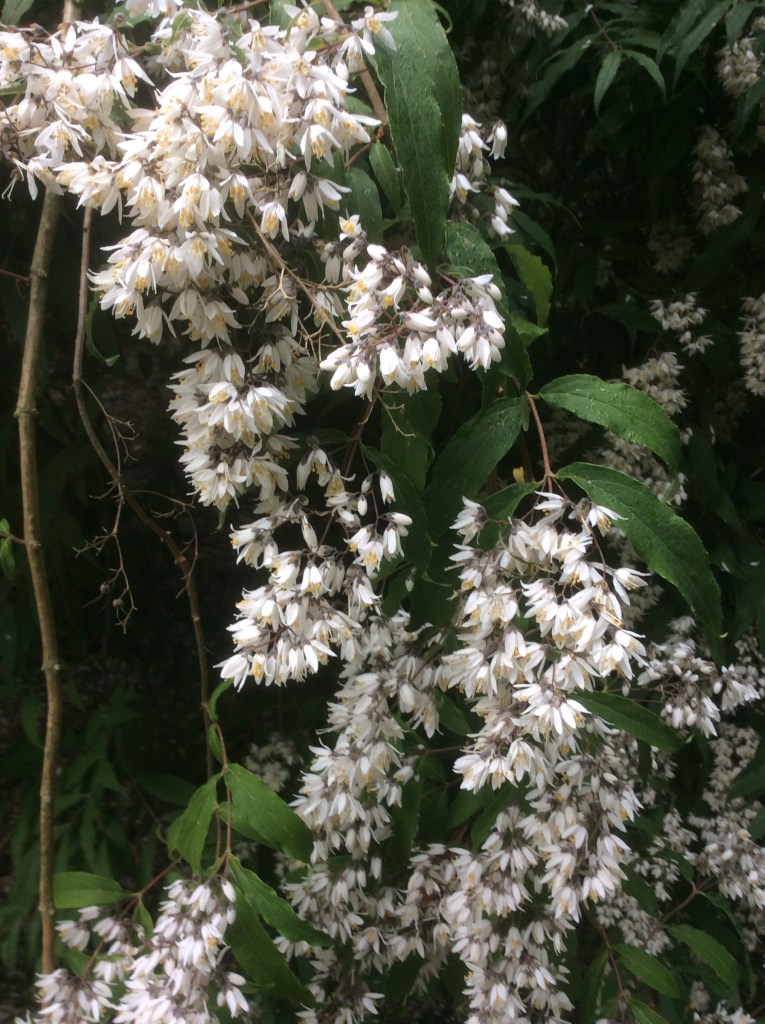
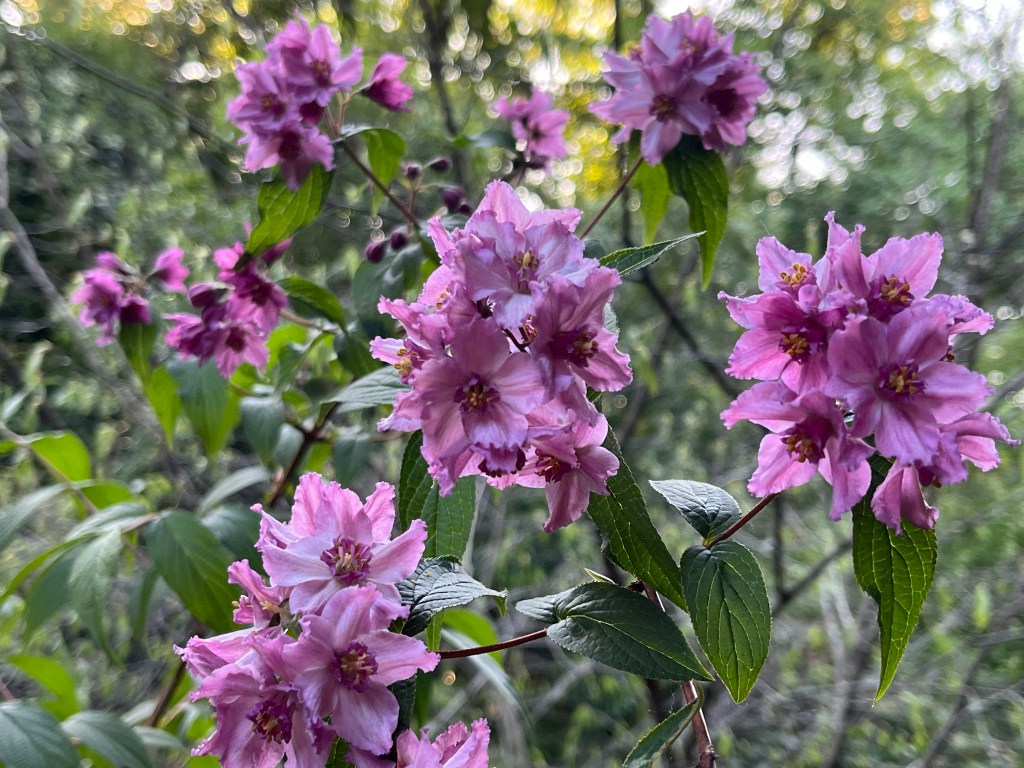
The genus ranges from the early-flowering species at their peak now, notably the low-growing white D. gracilis, the long, arcing shoots of variably colourful D. purpurascens, the tightly-bunched twig-covering pompoms of hybrids D. x. rosea and D. x elegantissima to later flowering D. compacta and large-flowered hybrids such as ‘Joconde’ and ‘Strawberry fields’.
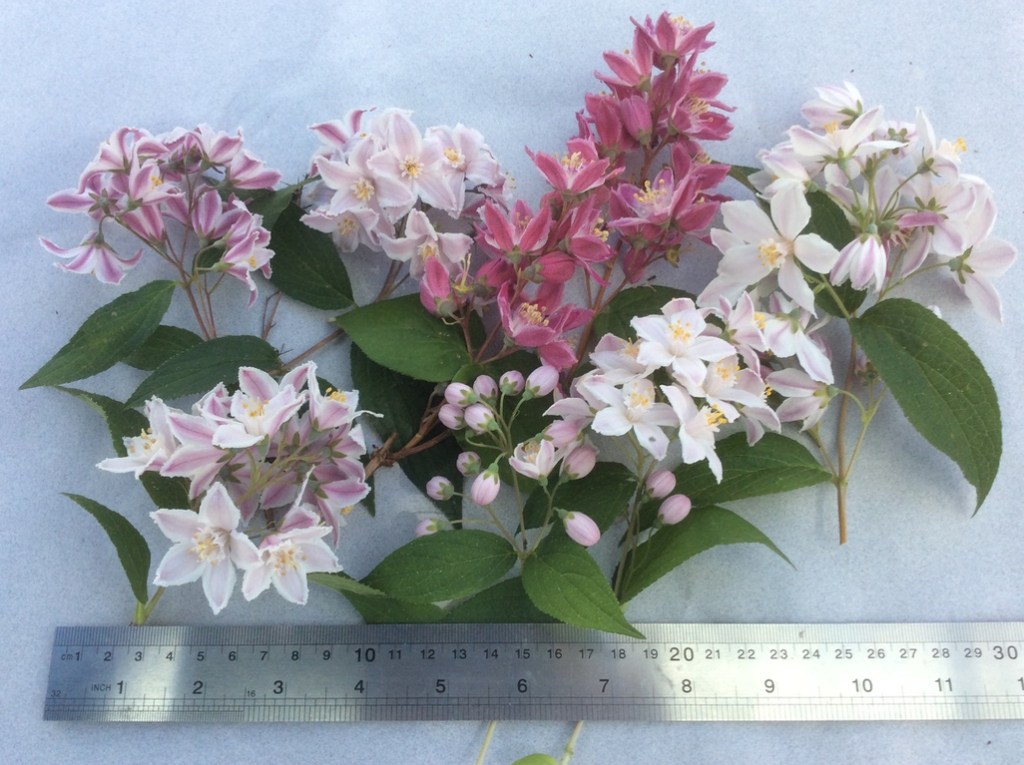
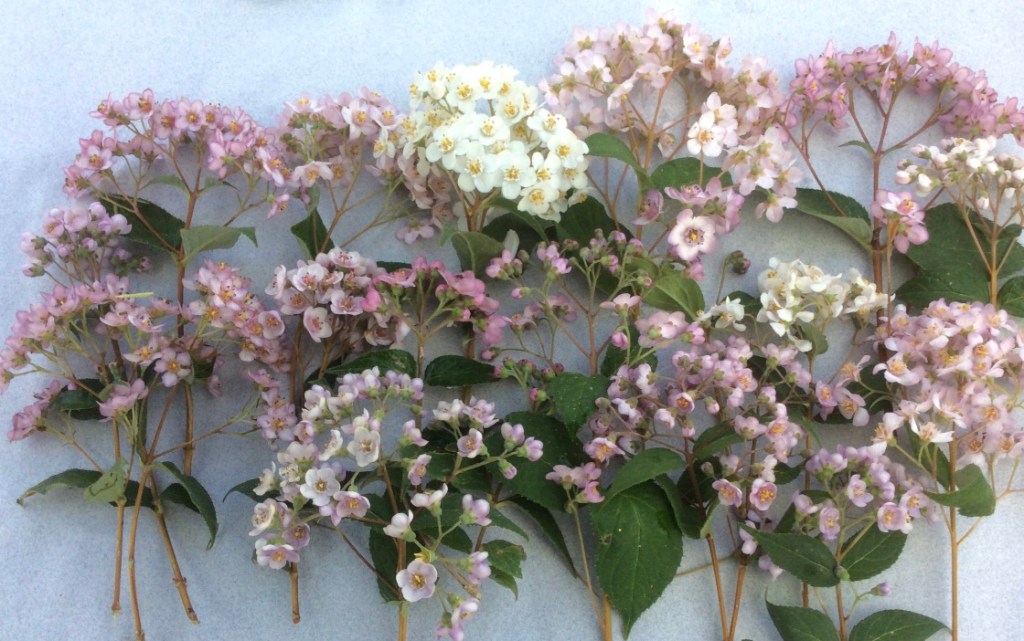
It is their nature to flower most freely on one-year old wood, so pruning to produce as much new wood as possible maximises flowering capacity for the following year. We prune immediately after flowering, the current years flowered shoots pruned away before the plant puts its energy into seed production, to induce strong, arcing, free-flowering leaders creating spectacular flowering shoots over a metre long, for the following year. We plan to include a practical demonstration of Deutzia pruning on our Study Day.
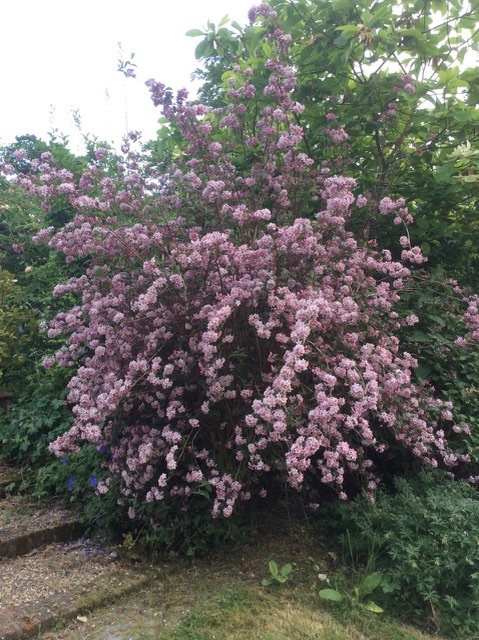

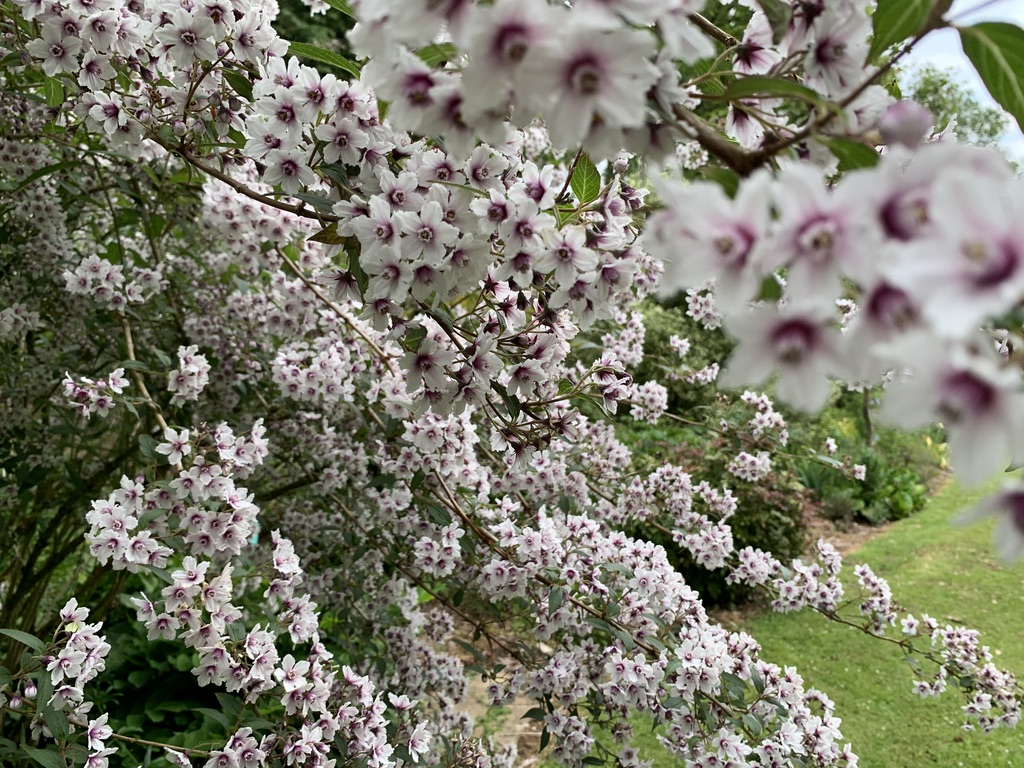
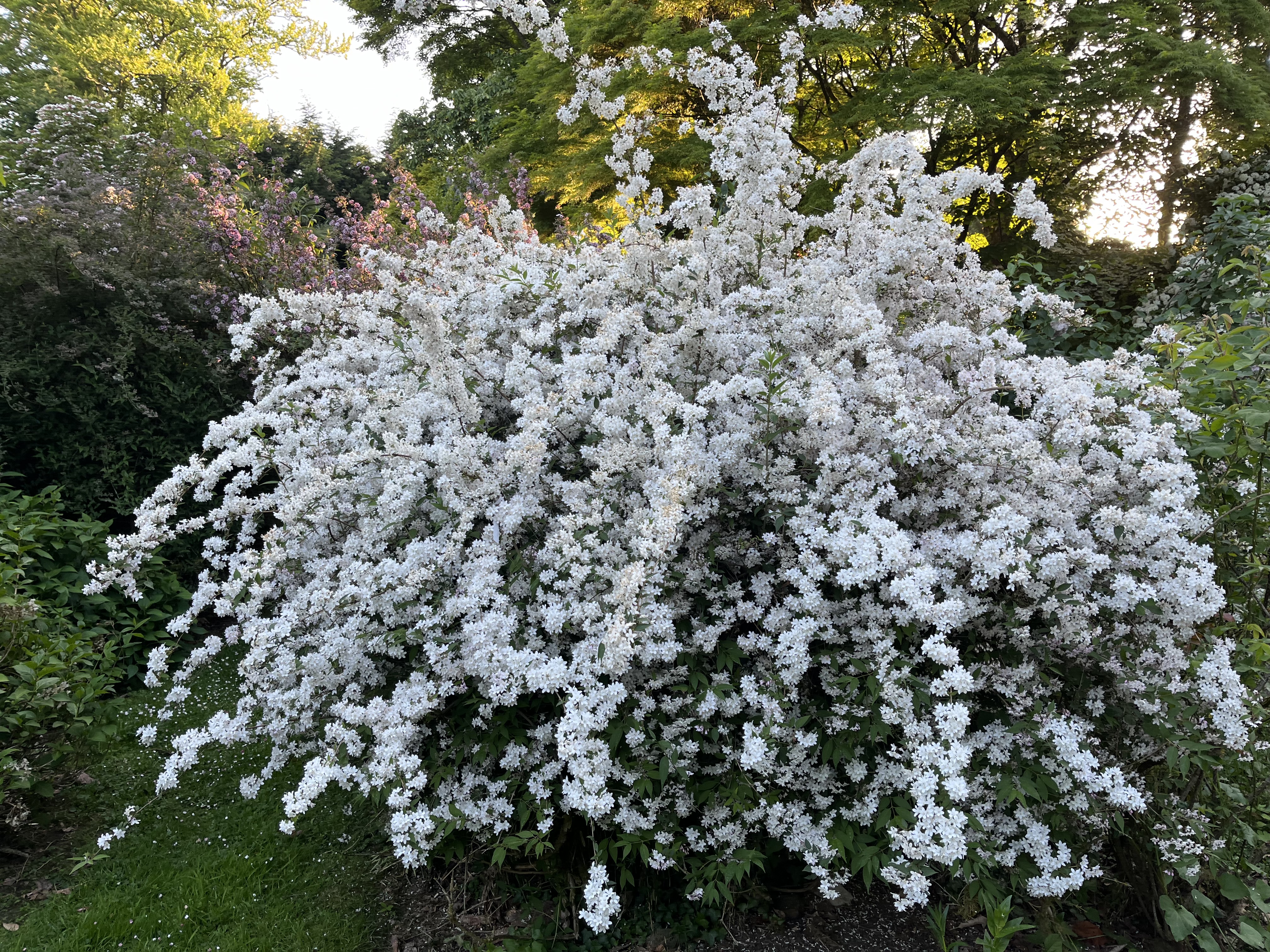
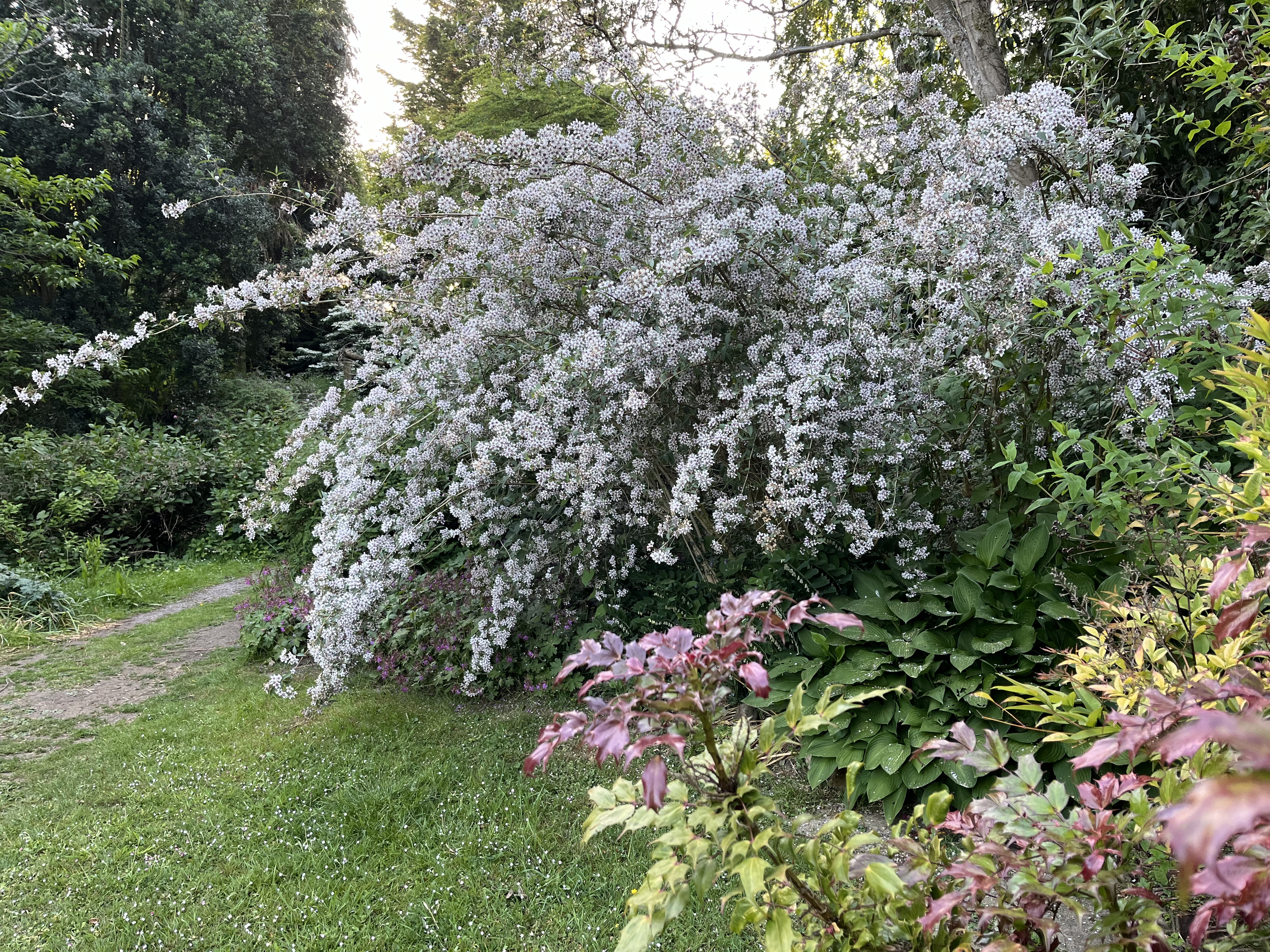
The collection of Deutzias here at White House Farm is extensive – according to some authorities one of the most comprehensive ranges growing anywhere in the UK. This gives visitors the ability in a single visit to grasp the key differences – and similarities – between species across this genetic range; and to appreciate features of the genus as a whole, which we’ve found includes huge variability within species (especially in purpurascens, longifolia and compacta), longevity (thirty-year-old shrubs reliably blooming year after year) and consistency under varied weather conditions. Deutzias are a useful element in planted landscape design, striking both from afar and at close quarters.
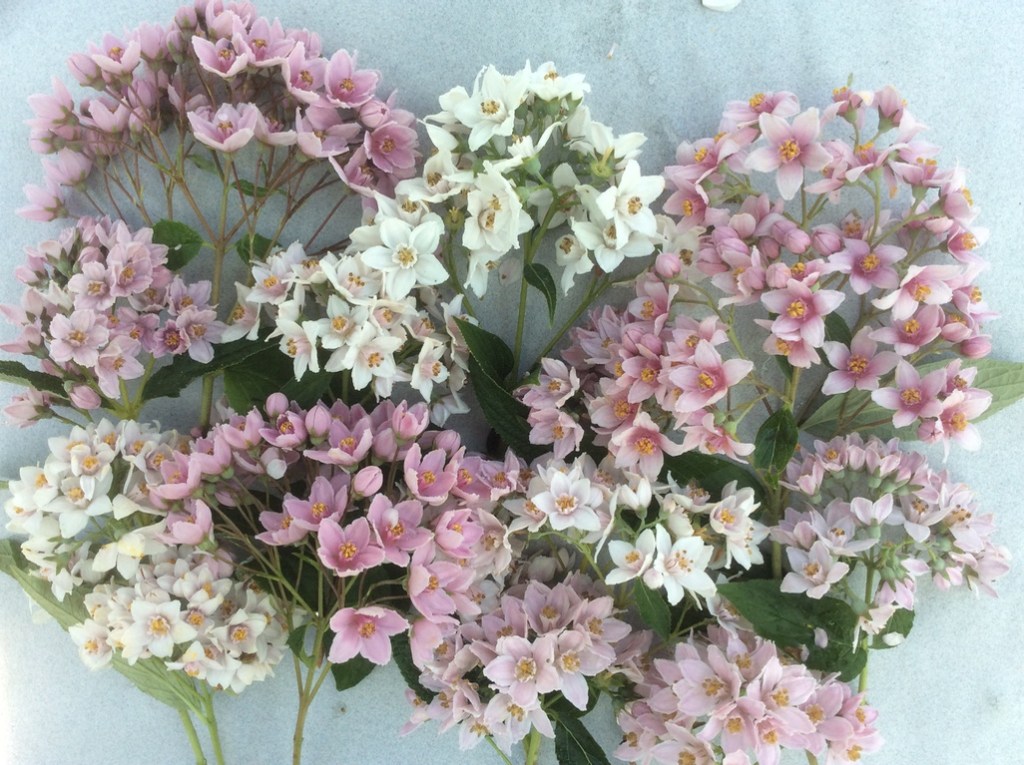
Deutzia species at White House Farm
D. bhutanensis
D. calycosa ( including ‘Dali’)
D. compacta (including ‘Lavender Time’, ‘Needham’s Pink’, and other collections)
D. cordatula
D. corymbosa
D. crassifolia
D. crenata (including var. heterotricha)
D. discolor (including ‘Major’)
D. glabrata
D. glauca
D. glomeruliflora (multiple collections)
D. gracilis (including collections from Japan, var. grandiflora, var zentenaroana, and ‘Nikko’)
D. grandiflora
D. hookeriana
D. longifolia (including ‘Farreri’, ‘Veitchii’, and multiple collections unique to WHF)
D. maximowicziana
D. monbeigii (including Forrest’s type species, ‘June Dawn’, ‘White star’, etc.)
D. multiradiata
D. ningpoensis (including ‘Pink Charm’)
D. paniculata
D. pilosa
D. pulchra
D. purpurascens (including ‘Alpine Magician’, and multiple collections unique to WHF)
D. rehderiana (including the pink form)
D. scabra (including ‘Candidissima’, ‘Codsall Pink’, ‘Pride of Rochester’)
D.aff schneideriana (Nymans form)
D. setchuanensis (var. corymbiflora)
D. staminea
D. taiwanensis (in our experience, synonymous with D. pulchra)
D. sp White on white, White on purple (multiple collections unique to WHF)
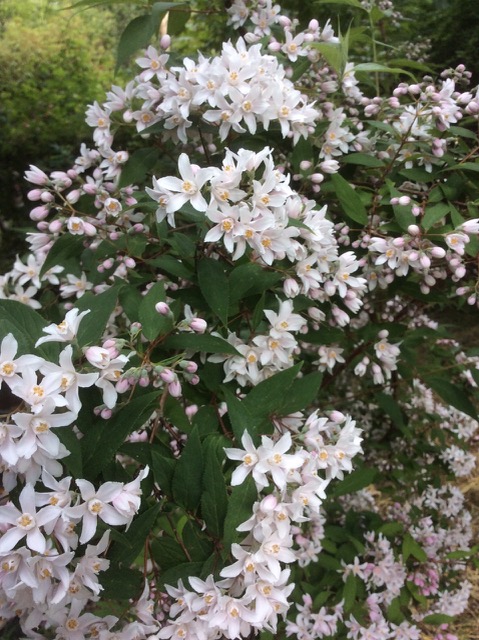
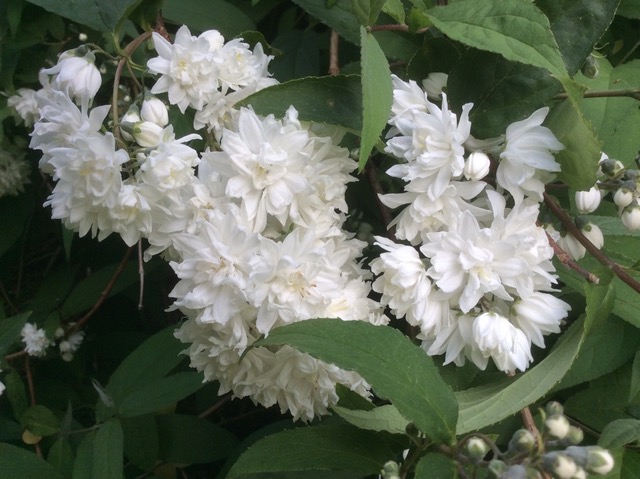
Deutzia Hybrids at White House Farm
D. x elegantissima (purpurascens x scabra var. sieboldiana – ‘Fasciulata’, ‘Rosealind’ and the type)
D. ‘Hillieri’ (longifolia ‘Veitchii’ x setchuenensis – var. corymbiflora)
D. x hybrida (discolor x longifolia – including ‘Contraste’, ‘Joconde’, ‘Magicien’, ‘Mont Rose’, ‘Perle Rose’, ‘Rosea Plena’/’Pink Pompon’, and ‘Strawberry Fields’
D. x lemoinei (gracilis x parviflora – ‘Avalanche
D. x magnifica (longifolia ‘Vilmorinae’ x scabra) – ‘Eburnea’, ‘Nancy’/‘Magnifica’
D. x maliflora (x lemoinei) x purpurascens) – ‘Fleur de Pommier’)
D. x rosea (gracilis x purpurascens) – ‘Carminea’, Grandiflora’ , ‘Rosea’, Yuki Cherry Blossom)
D. x wilsonii (discolor x mollis)
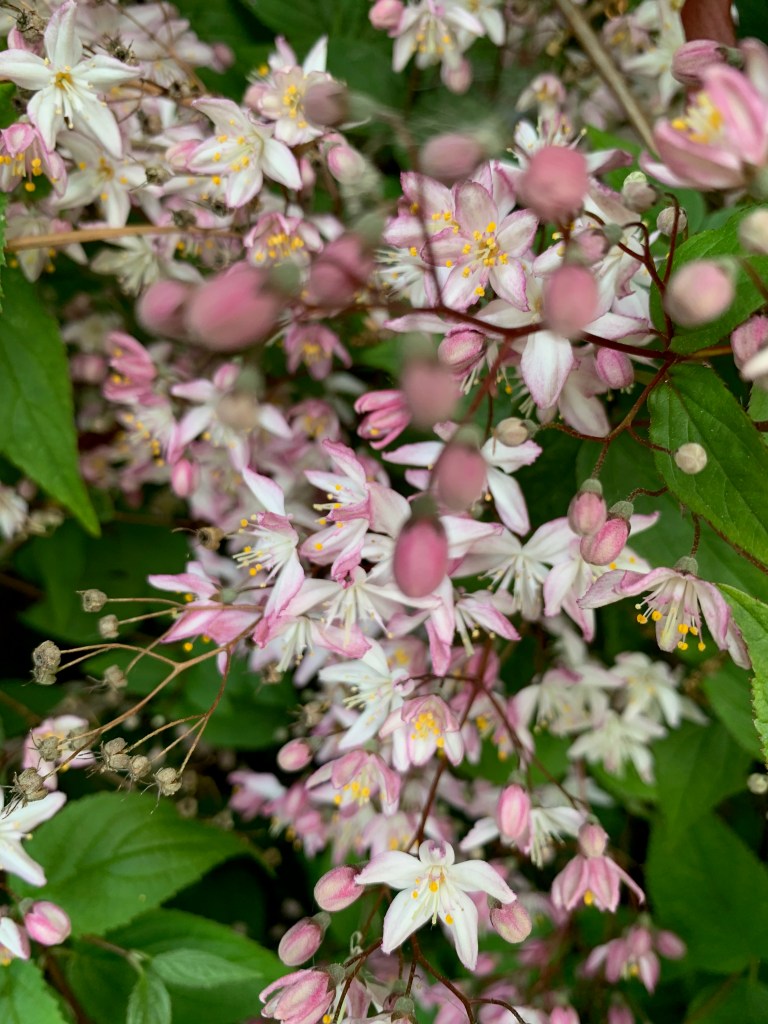

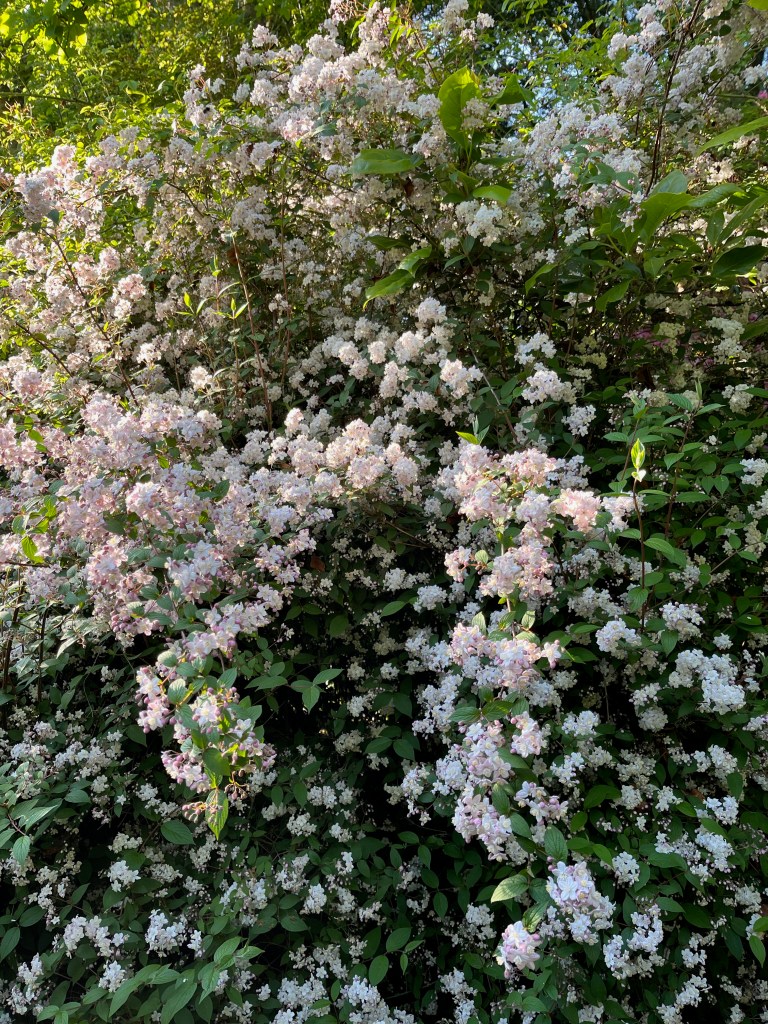
What the above list omits is the 40-50 second and third generation unnamed hybrids based mainly on D. purpurascens we have been creating over 20 years. We have been numbering and photographing these and some regular standouts have emerged. I was breeding for dark pinks and purples, and good continuity, and every year sibling specimens jostle for the best of the type, either for intensity of colour, flower shape, or overall habit.
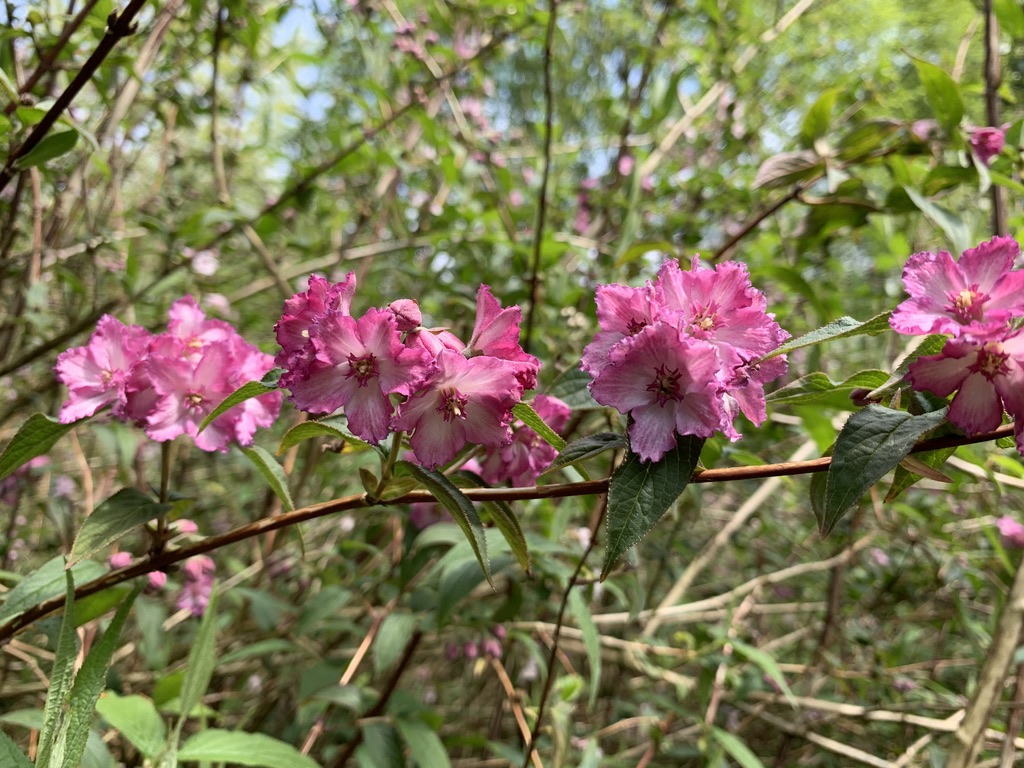
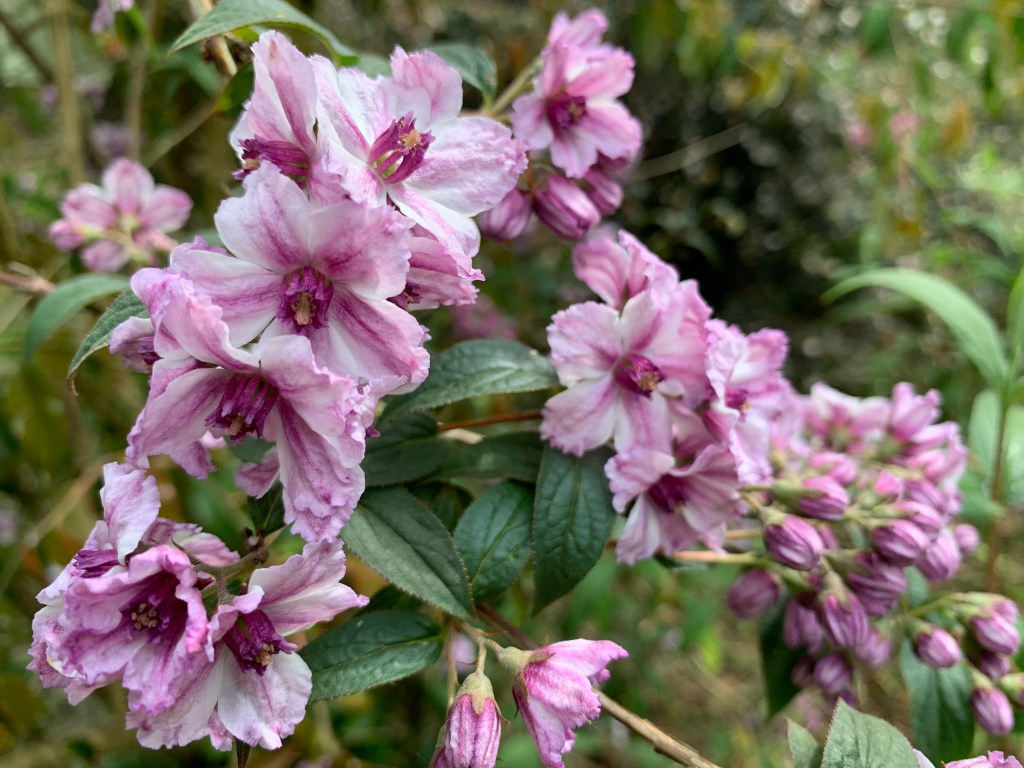

We hope to see some of you on Saturday May 24th: some of the early roses are also at their best here for some years after a wet winter and warm early summer.
Maurice Foster
 White House Farm Garden and Arboretum