
Only a handful of the more than 750 species of Indigofera (mainly tropical and subtropical) will survive in the open in the UK, and of these only a small proportion are worth growing as ornamentals. But those that are worthwhile are excellent shrubs for any garden, flowering for months through summer into autumn if givenContinue reading “Indigoferas: an overlooked treasure”
Tag Archives: Jack Aldridge
White House Farm Open Day on Hydrangea aspera
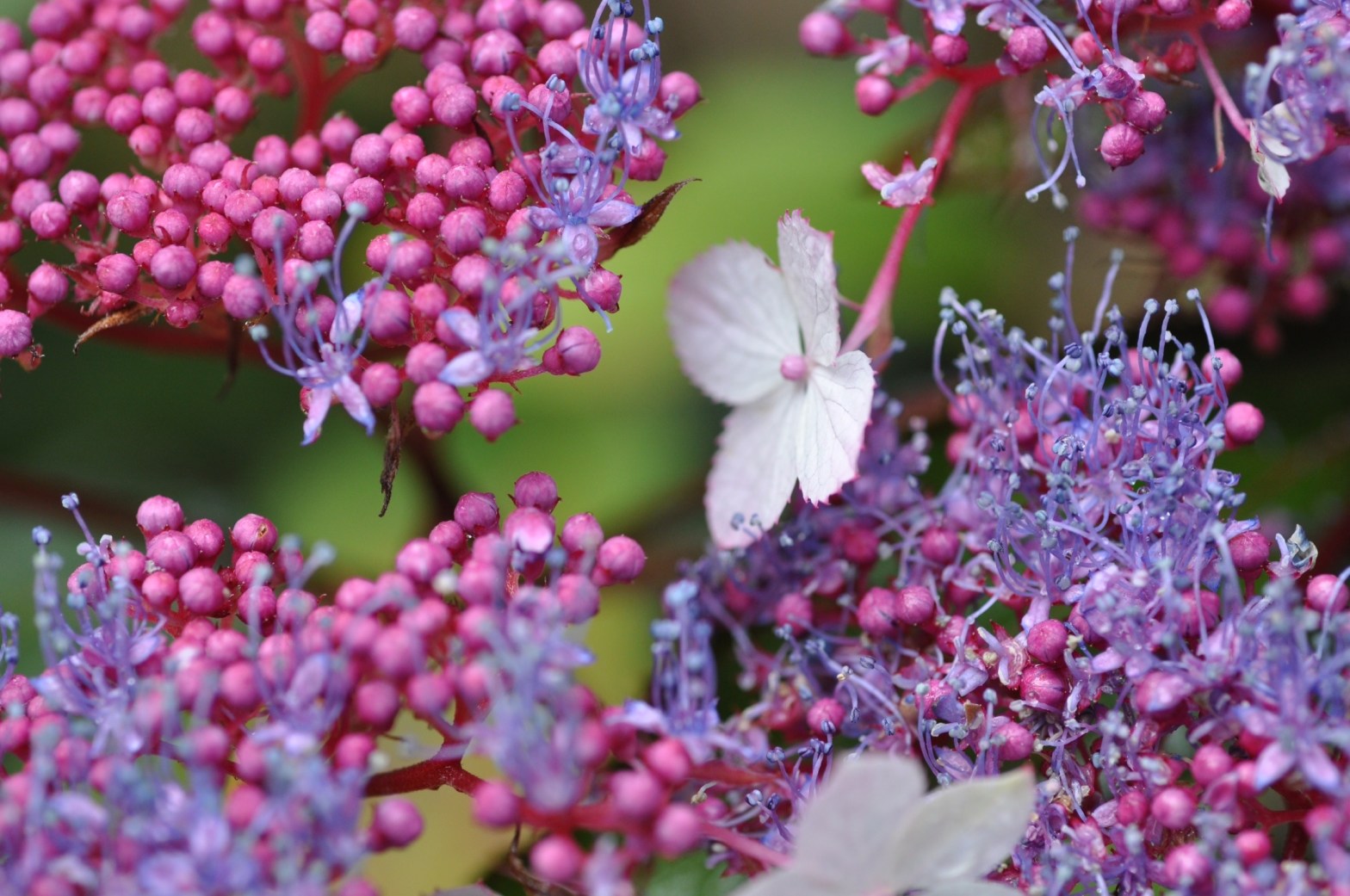
“Per aspera ad astra“ That quote punningly just about sums up this season for Hydrangea aspera: translated as roughly ‘Through asperities (hardships, adversities, rigours) to the stars.’ The ‘aspera’ in H. aspera is usually taken to refer to the rough texture of the underside of the leaf, but I have not since 1976 experienced suchContinue reading “White House Farm Open Day on Hydrangea aspera”
Magnolia sargentiana var robusta, et alia
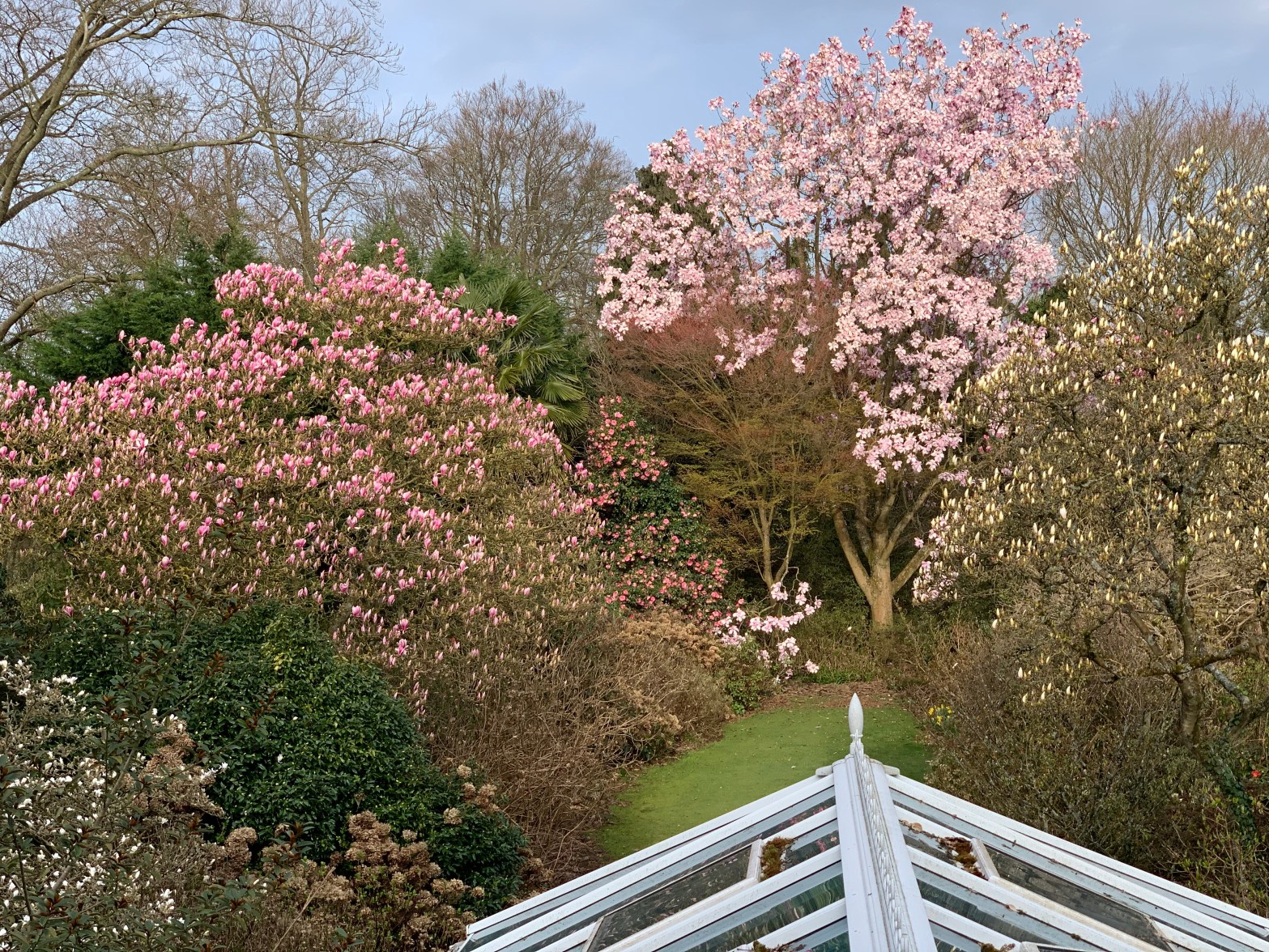
Maurice is on last week’s ‘Gardening WithThe RHS’ podcast, talking about hydrangeas: listen here. In Asiatic Magnolias in Cultivation (1955) G. H. Johnstone OBE VMH wrote: “ This magnolia [sargentiana var robusta] is certainly one of the most spectacular of all those introduced into our gardens and in the running maybe for inclusion in a listContinue reading ” Magnolia sargentiana var robusta, et alia”
‘Go east young man’ – the Magnolia campbellii Mollicomata group

Join us for our spring Open Days to see our 200+ magnolias, 140 camellias and other spring-blooming genera on Mother’s Day, Sunday March 30th and Wednesday April 9th. (£15). To reserve a space, email whitehousefarmarb@gmail.com Magnolia campbellii occurs right along the Himalaya, from Nepal to SE Tibet. Moving further east, into W. China, in theContinue reading ” ‘Go east young man’ – the Magnolia campbellii Mollicomata group”
Mahonias: mainstays of the garden from September to March
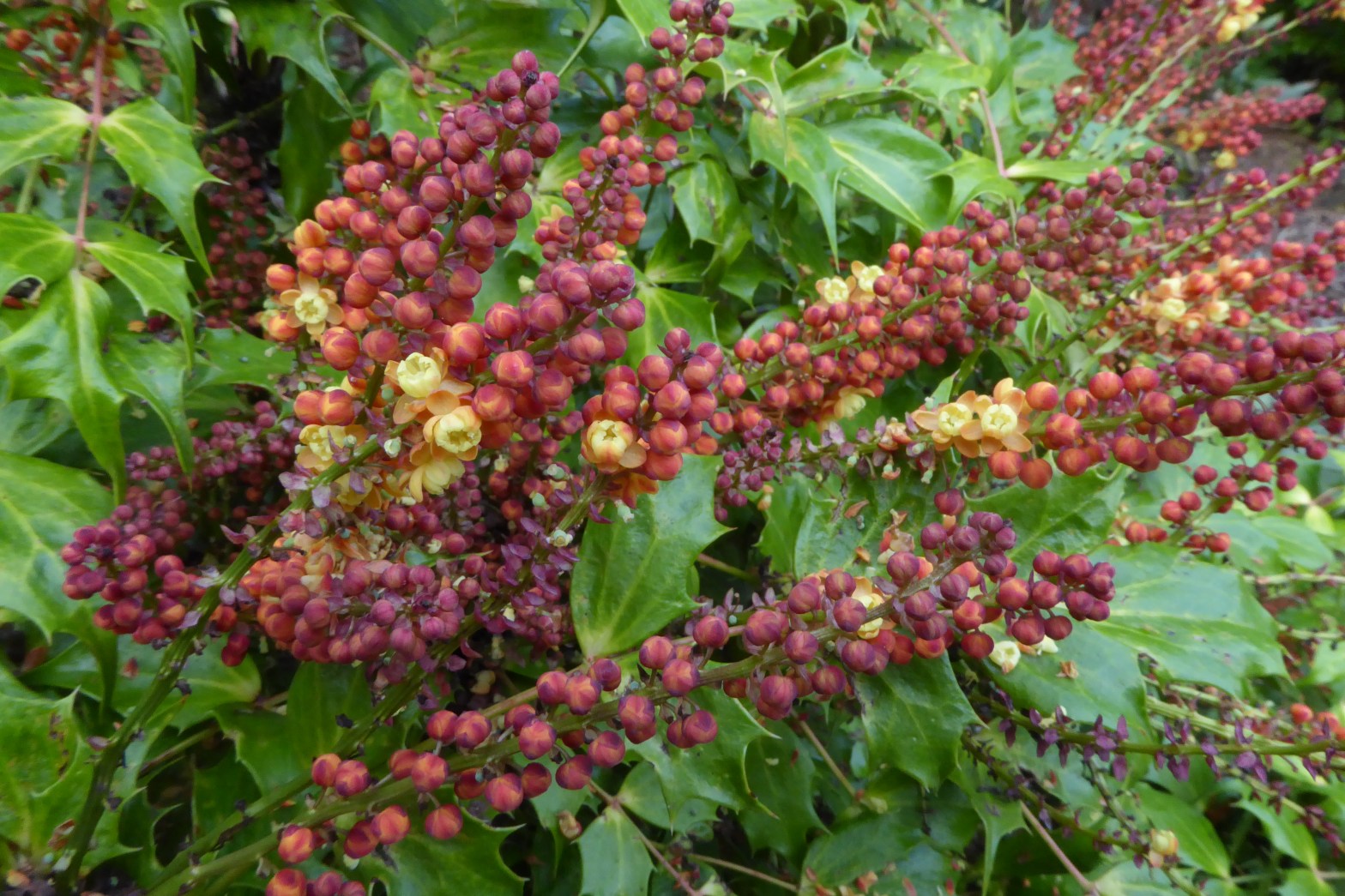
One of our main occupations at present is to review all genera in the collection here at White House Farm, with a view to completing an accurate database, and creating permanent labels. Trustees Chris Sanders, Jack Aldridge and Rod White have all recently been trawling through the Mahonia collection in a valiant attempt to sortContinue reading “Mahonias: mainstays of the garden from September to March”
Summer colour at White House Farm: the Hydrangea reappraised
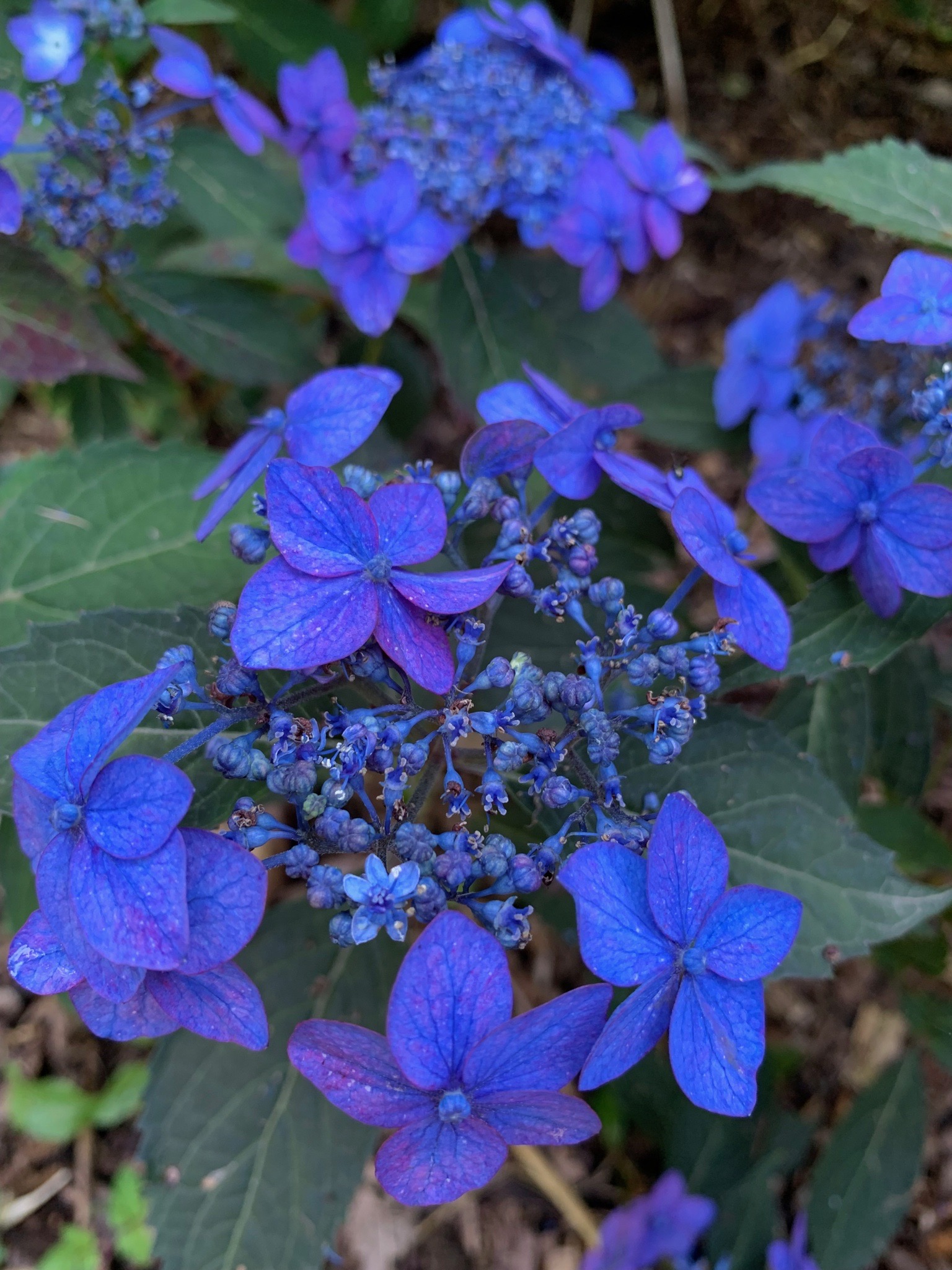
by Clare Foster, Chair of the Board of Trustees, WHFAF On Wednesday July 10th we will hold an afternoon Garden Masterclass tour of White House Farm with Maurice Foster, Caroline Jackson, Jack Aldridge and Annie Guilefoyle, exploring White House Farm’s collection of Japanese serrata cultivars and Maurice’s own serrata hybrids. A few places are stillContinue reading “Summer colour at White House Farm: the Hydrangea reappraised”
Elegant and resilient: some new garden-worthy Camellia species
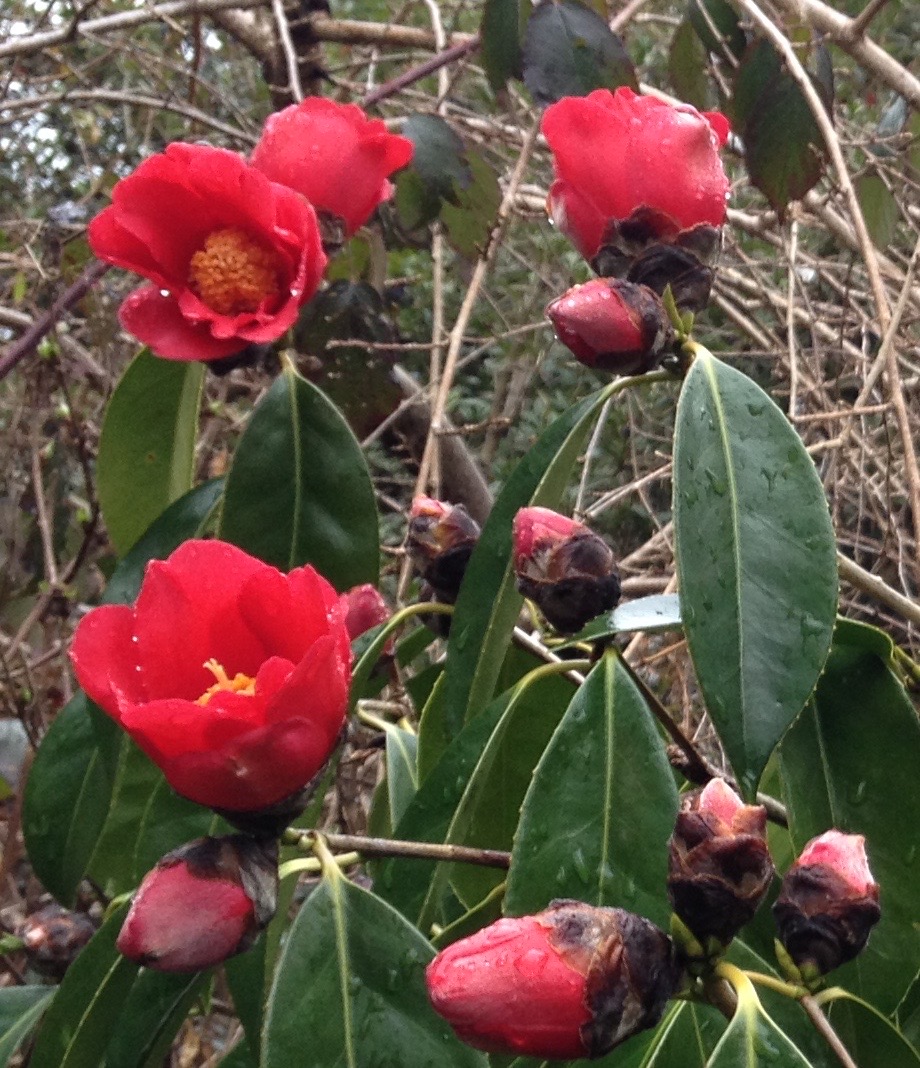
…a continuously expanding new range of plants which are beginning to prove their value in gardens, and for hybridising, too.
‘Dogwood with a bark’: Cornus wilsoniana

By WHFAF Trustee and RHS Wisley horticulturalist Jack Aldridge This article was originally published in June 2023 by the RHS Plant Review. Reproduced by kind permission of the RHS.
Is a pink-flowered philadelphus a real possibility?

By WHF Trustee Christopher Sanders, VMH It’s well known that some Mexican species and their hybrids such as P. maculatus, P. mexicanus and P. ‘Belle Etoile’ possess a gene for the colour pink, but this is manifested as a more or less basal blotch on the inner surface of the petals, resulting in a central ring of pink orContinue reading “Is a pink-flowered philadelphus a real possibility?”
Two rare Philadelphus re-located
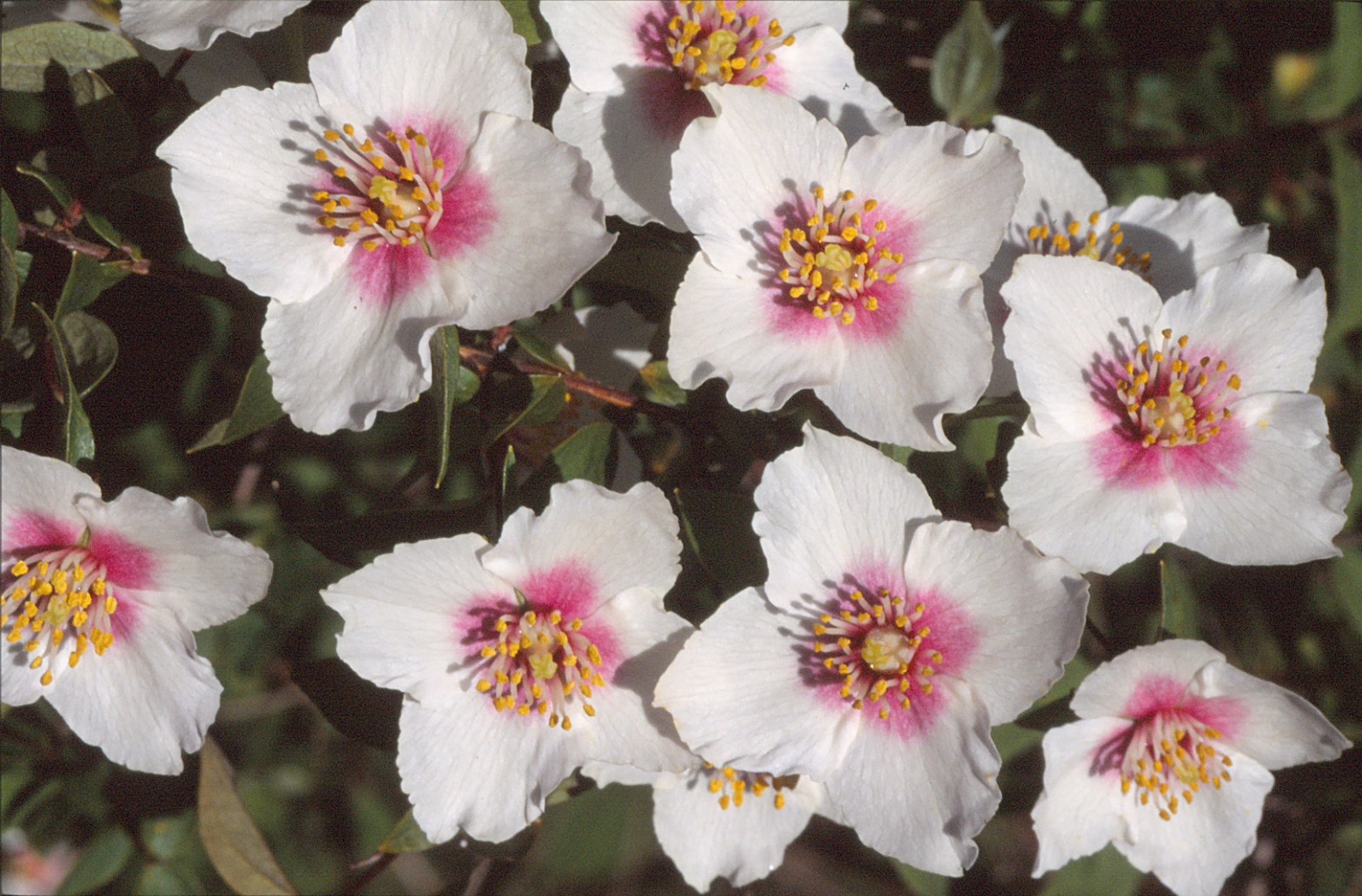
by WHF Trustee Chris Sanders, VMH As a result of the successful Philadelphus study day held at WHF on Saturday 17th June, two rare Lemoine Philadelphus cultivars believed to have been lost to cultivation have come to light. Philadelphus ‘Oeil de Pourpre’ (Purpureomaculatus Group) Trustee Jack Aldridge, who is based at Wisley, brought a handsome specimenContinue reading “Two rare Philadelphus re-located”
 White House Farm Garden and Arboretum