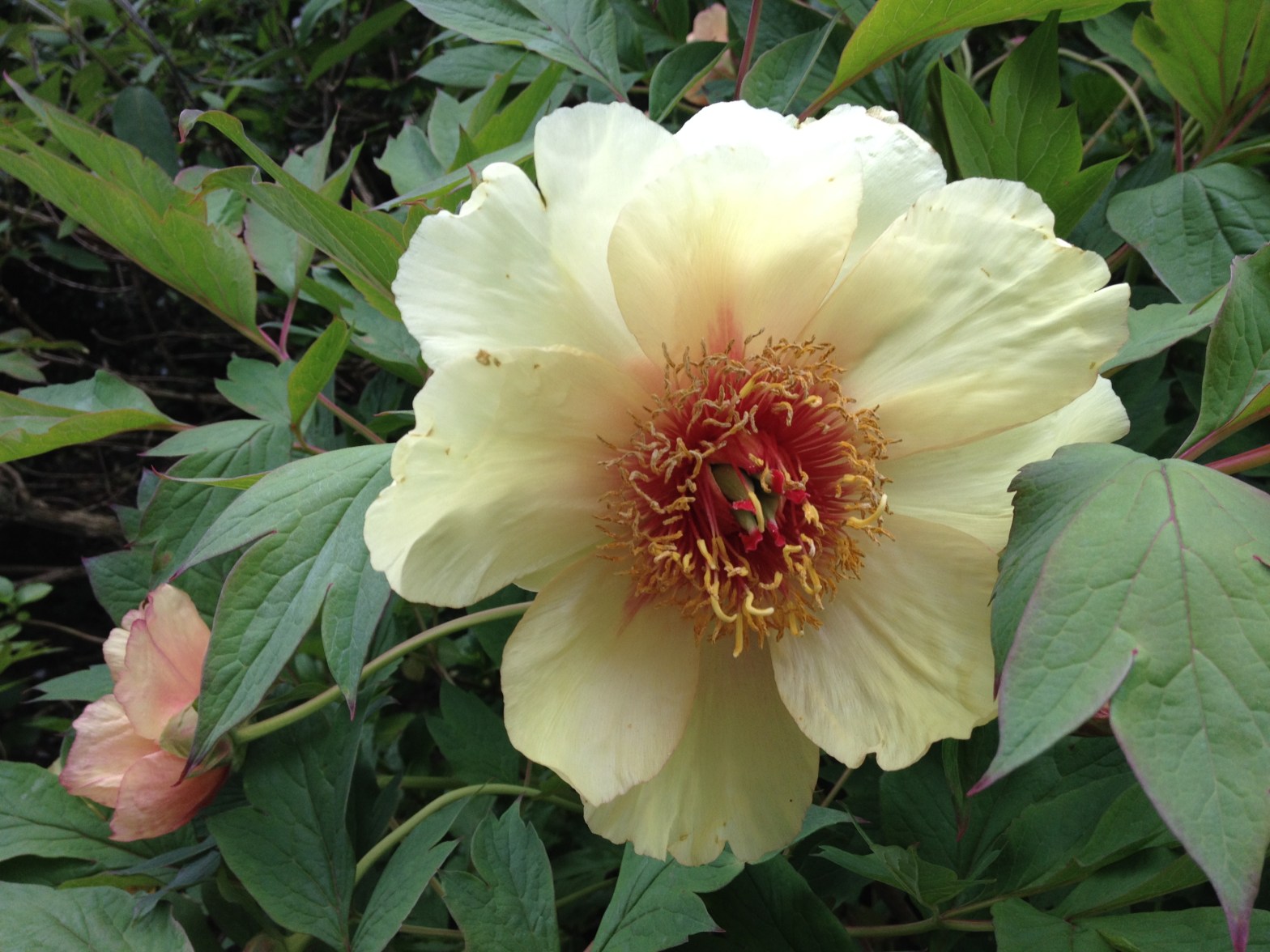
There are no tree peony species native to Japan: but sometime in the eighth century, the Chinese Moutan found its way into the country, where it became known to the Japanese as the Botan, and over the centuries, developed its own Japanese character. In his book ‘The Moutan or Tree Peony’ Michael Howarth-Booth – never farContinue reading “More tree peonies – Japan, some species and a few yellows.”
Tag Archives: White House Farm in Kent
Tree peonies – the ‘Moutan’ of myth
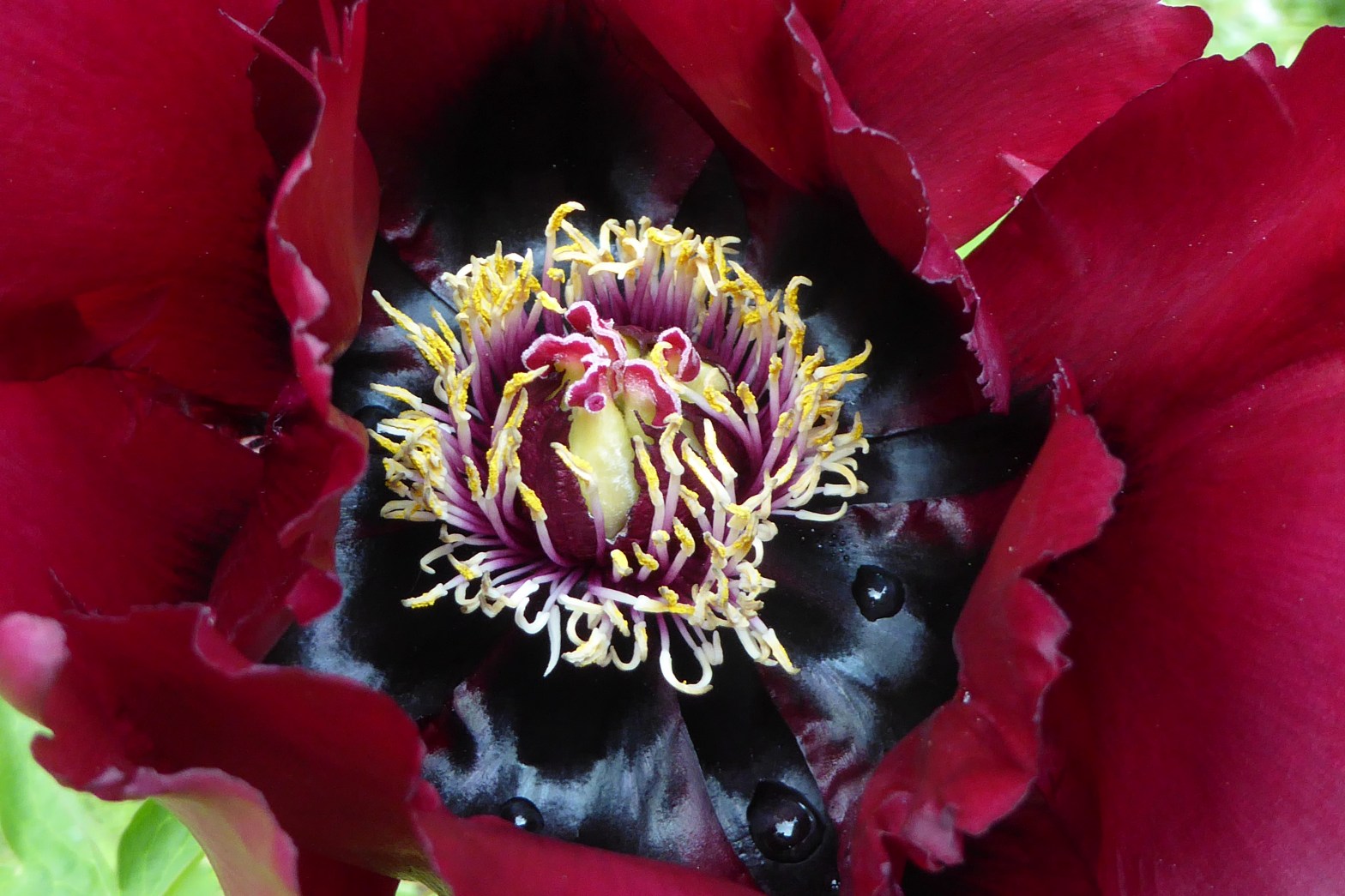
“One snowy winter day, Empress Wu Zetian , the first woman sovereign in China’s history, ordered all the plants to bud and blossom. But the peony, too proud to flatter the Empress, remained bare. The empress flew into a rage and had all the peonies in the Tang capital Changan ‘banished’ to Luoyang.” This isContinue reading “Tree peonies – the ‘Moutan’ of myth”
Indigoferas: an overlooked treasure

Only a handful of the more than 750 species of Indigofera (mainly tropical and subtropical) will survive in the open in the UK, and of these only a small proportion are worth growing as ornamentals. But those that are worthwhile are excellent shrubs for any garden, flowering for months through summer into autumn if givenContinue reading “Indigoferas: an overlooked treasure”
The humble fuchsia: or how to make summer last until November
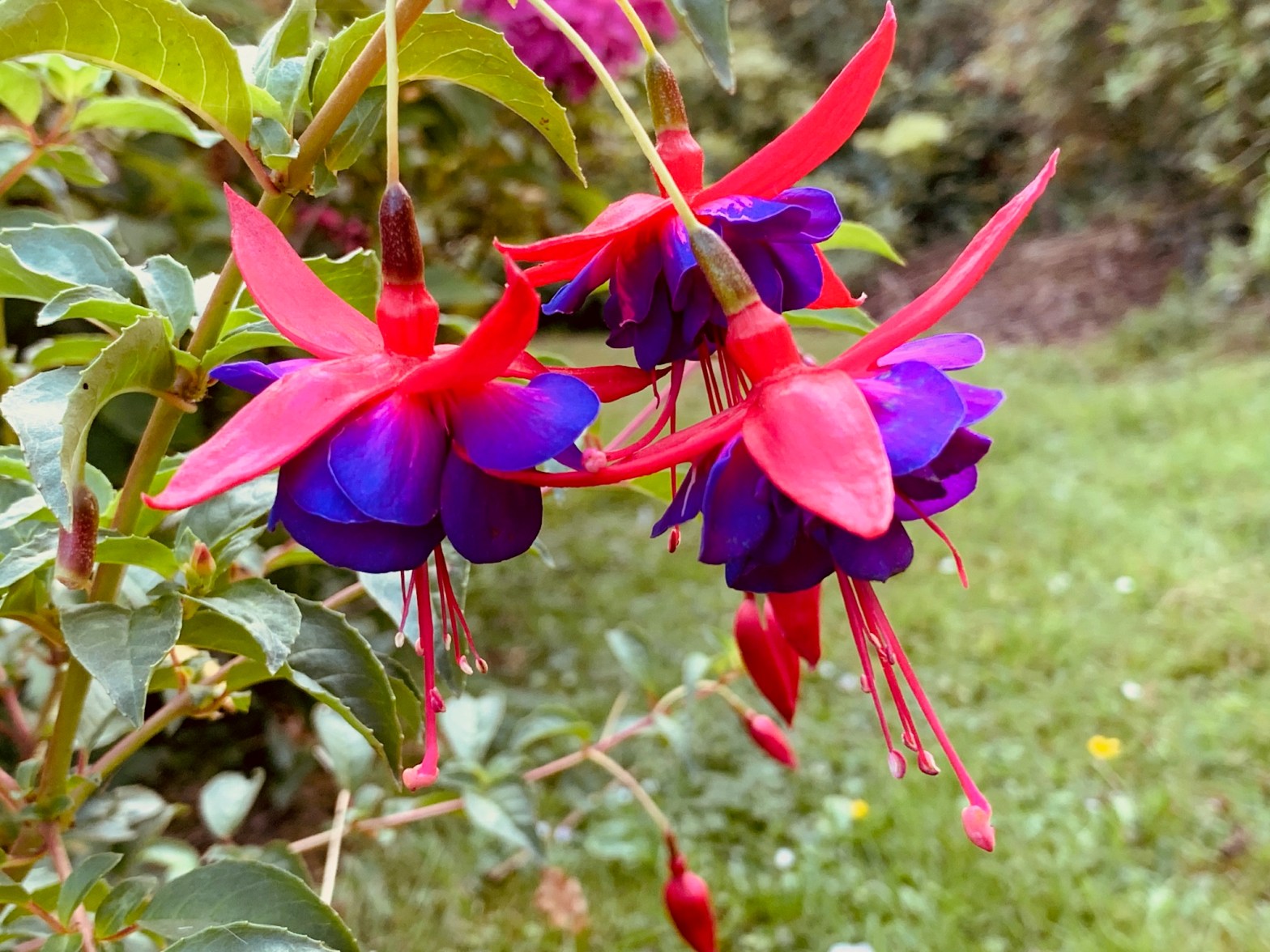
The heat and drought of this summer has seen some rather unexpected successes. For example, here we are in mid-October with both fuchsias and indigoferas still effective in the garden, having excelled themselves since June. I’ll write more on indigoferas later, but the humble hardy fuchsia is making such a splash at this time ofContinue reading “The humble fuchsia: or how to make summer last until November”
The variety and versatility of Philadelphus
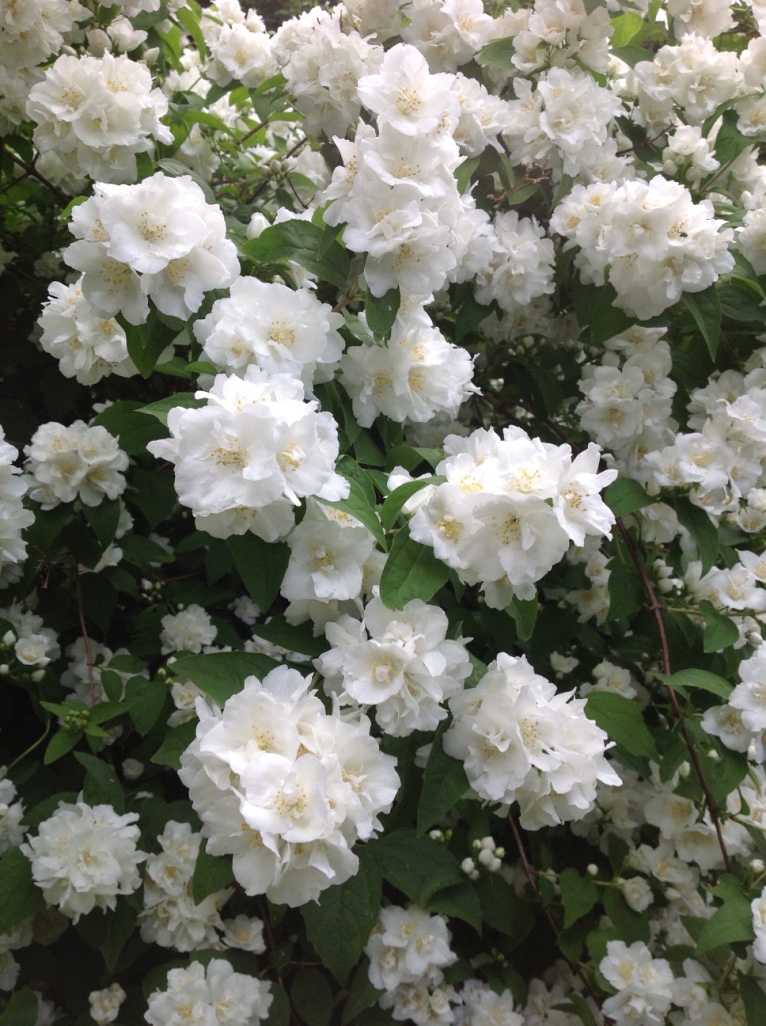
Along with an estimated 65 other genera, Philadelphus is a genus split between Asia and the Americas, with elements migrating north from Eurasia when the continents divided. Species developed independently, with good ability to adapt to the changing climatic and geological conditions. New species of Philadelphus are still being discovered today in the mountains of northernContinue reading “The variety and versatility of Philadelphus”
White House Farm Open Day on Hydrangea aspera
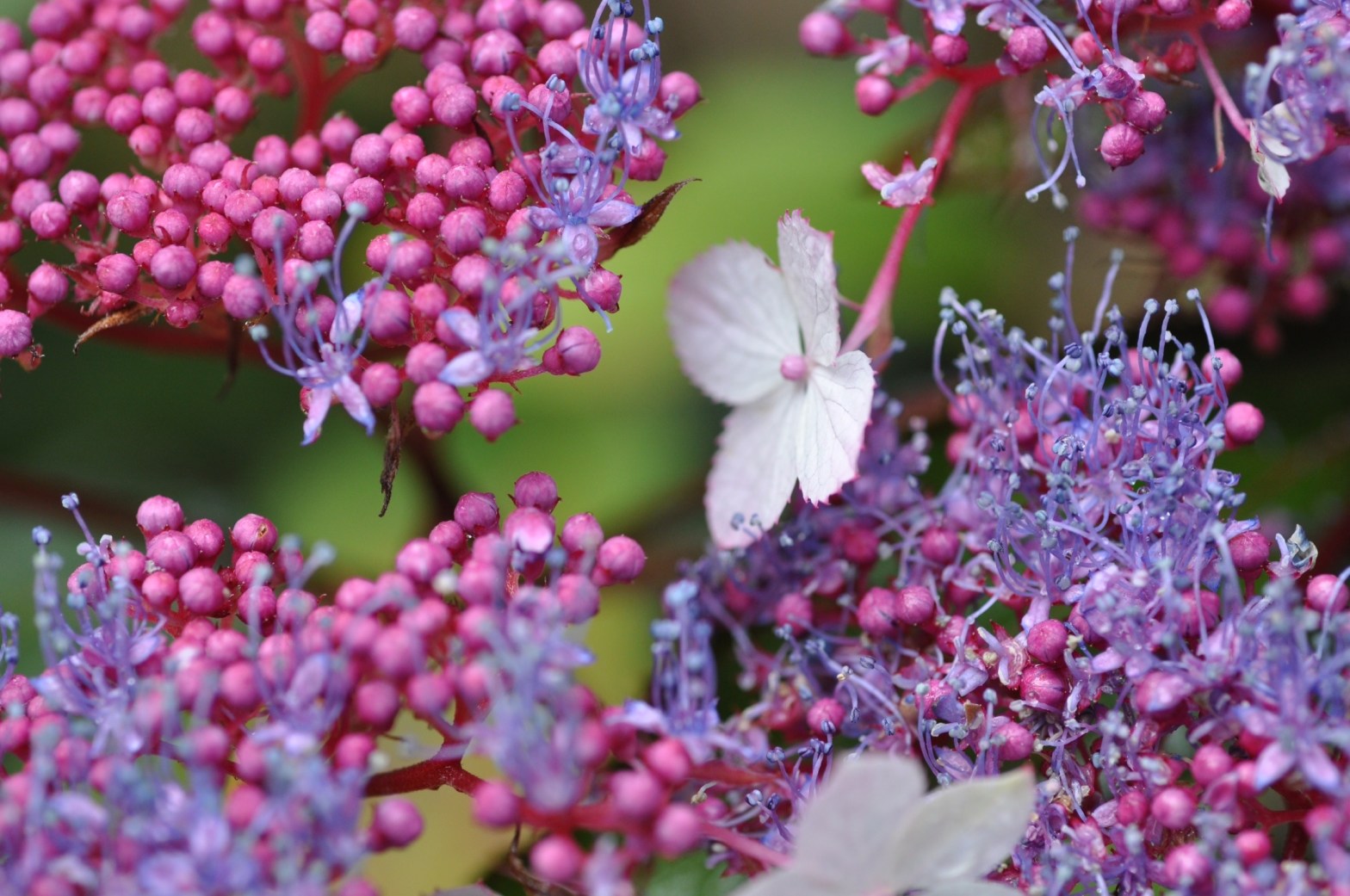
“Per aspera ad astra“ That quote punningly just about sums up this season for Hydrangea aspera: translated as roughly ‘Through asperities (hardships, adversities, rigours) to the stars.’ The ‘aspera’ in H. aspera is usually taken to refer to the rough texture of the underside of the leaf, but I have not since 1976 experienced suchContinue reading “White House Farm Open Day on Hydrangea aspera”
Hydrangea serrata: a lesson from Japan
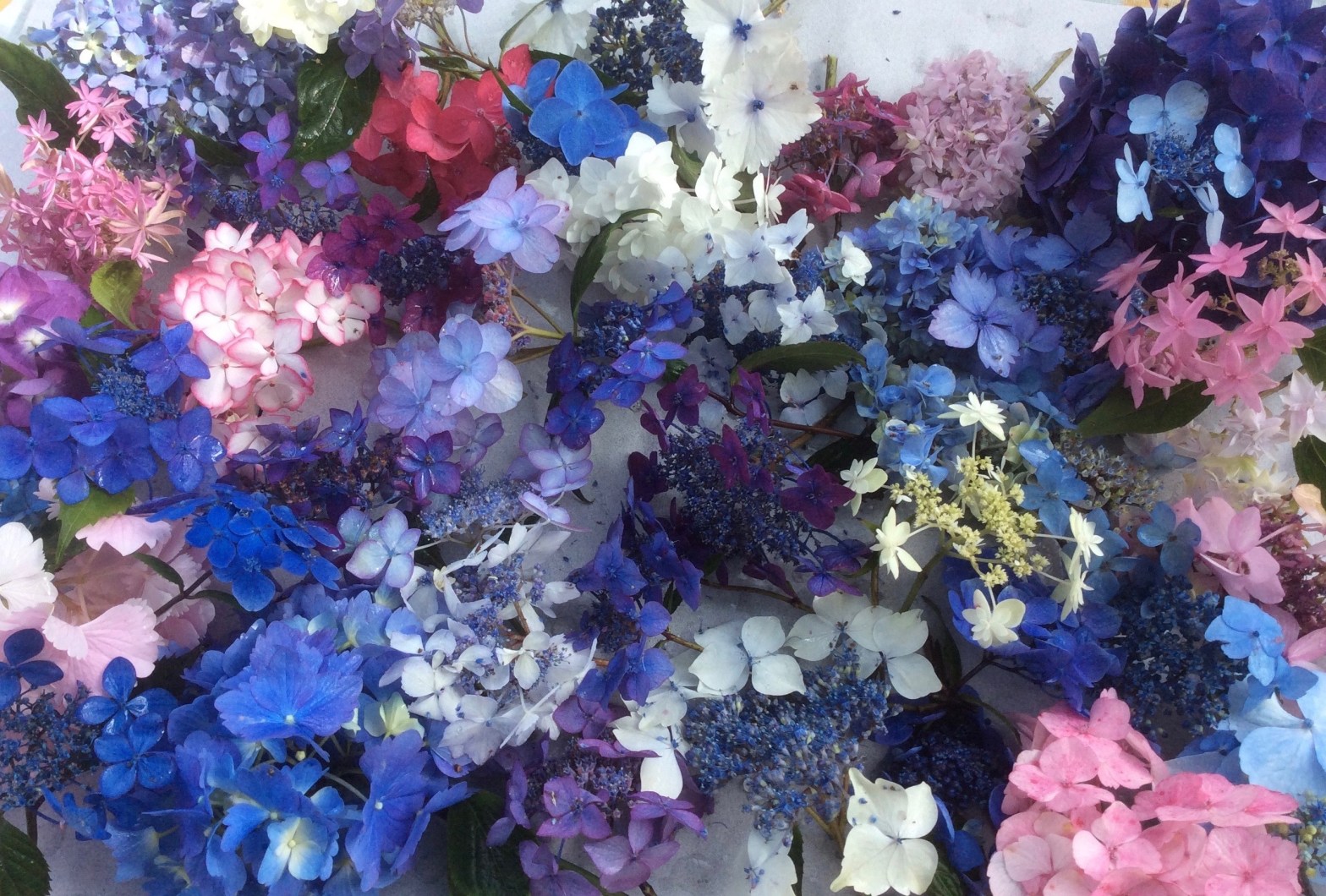
A few spaces are left for our Open Day on Wednesday June 25th, with a focus on hydrangeas – serratas, but many other hydrangea species too. Coffee and intro talks at 10.30, tours at 11am and 2pm – tea and Q & As at 4.30pm. Bring your own picnic lunch, we provide biscuits and drinks TOContinue reading “Hydrangea serrata: a lesson from Japan”
Wild roses in the garden
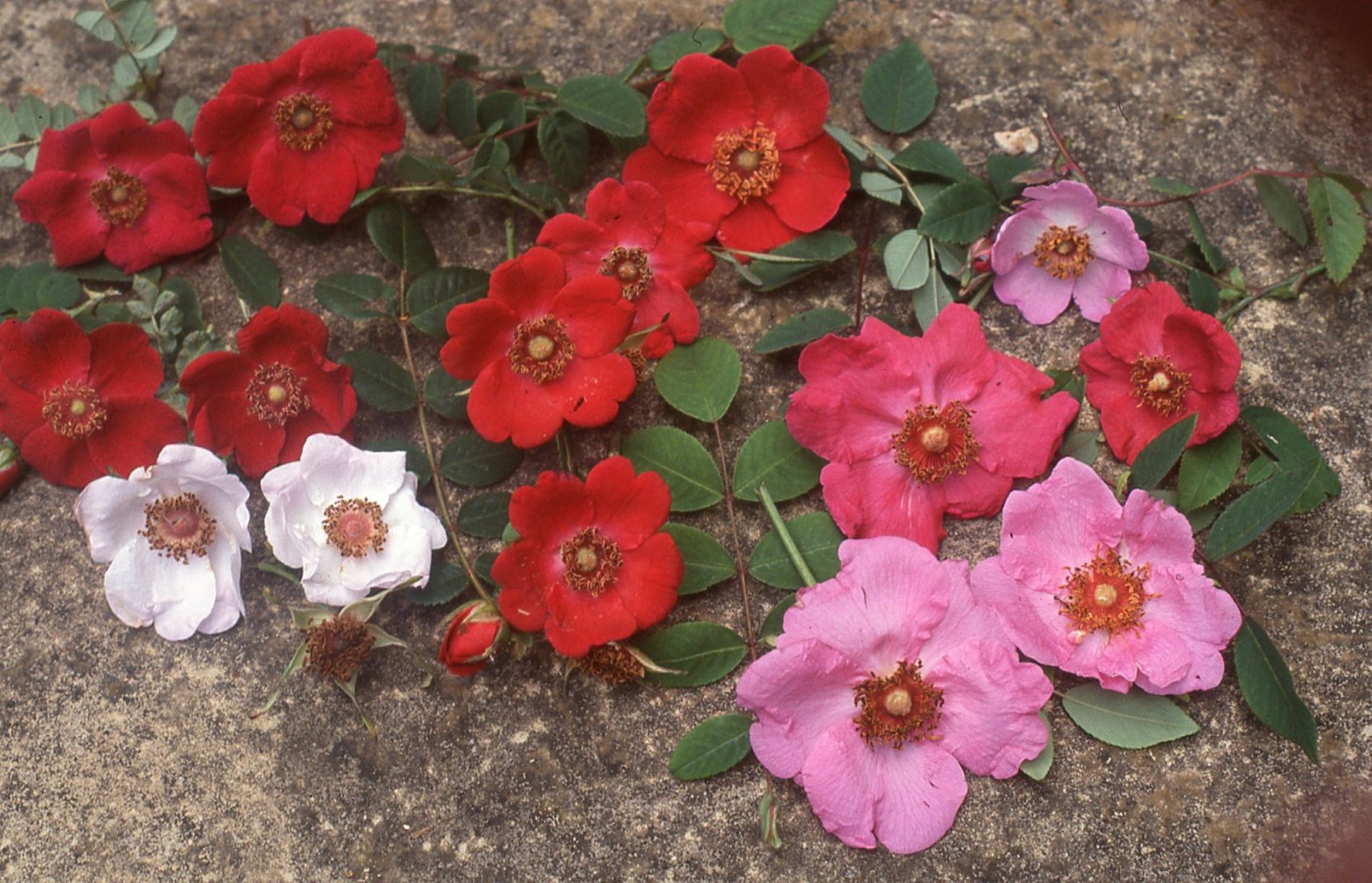
For those like William Robinson whose taste is inclined away from ‘fat, complex and overbred roses’, rose species can be a very satisfying contrast. Where there is space for them to flourish, they are a good enough reason on their own to justify a remark allegedly made by one of the Rothschilds, that ‘every garden,Continue reading “Wild roses in the garden”
Deutzias: the WHF collection

There will be an IDS Deutzia Study Study here on Saturday May 24th. Book here. I’ve been surprised this year how robust our early Deutzias have proven to be, with the driest March and April on record for Kent followed by some weeks of daily sun and temperatures over 20C. It’s a new discovery toContinue reading “Deutzias: the WHF collection”
Melliodendron xylocarpum
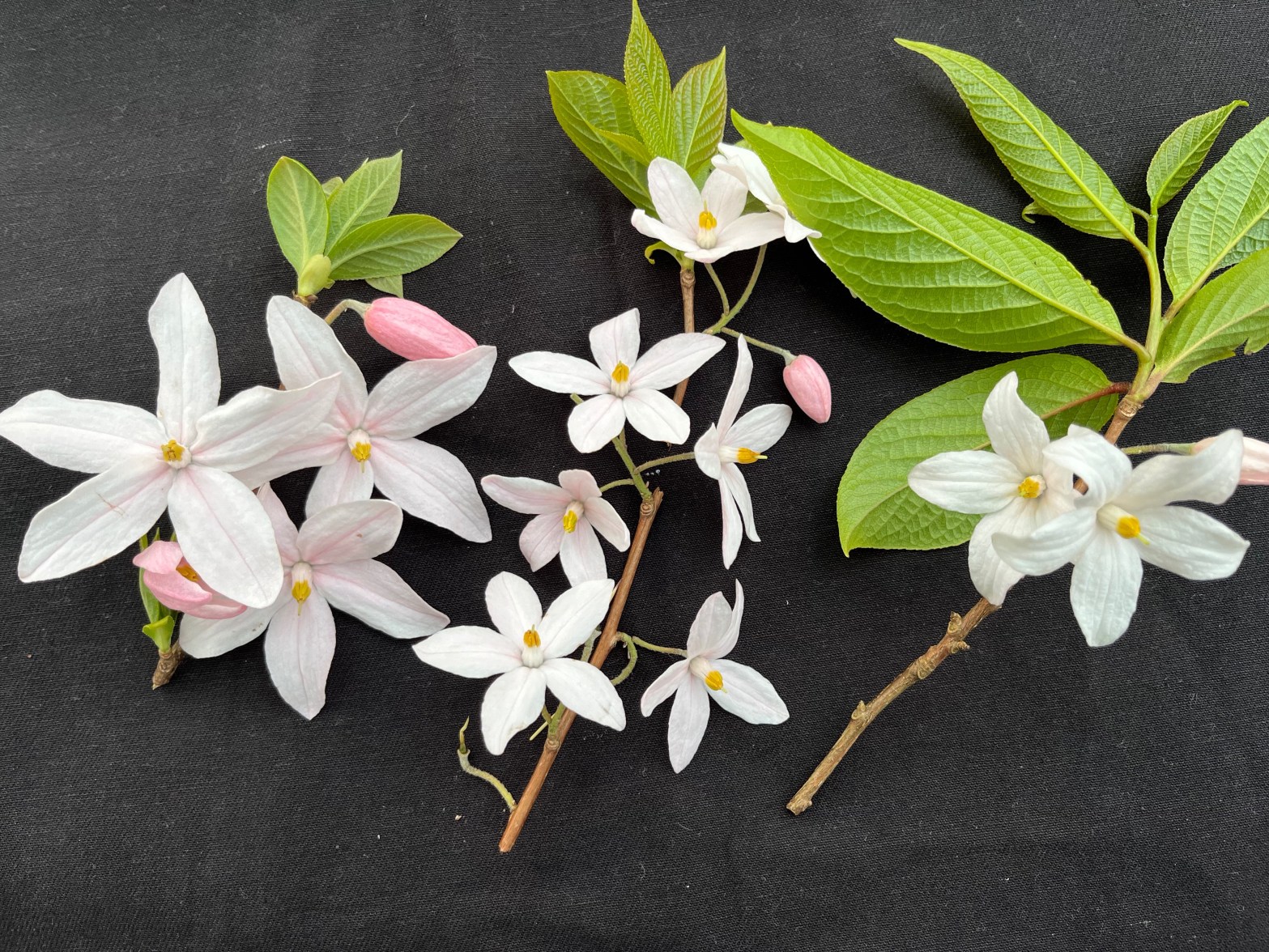
It has been a very good year at White House Farm for Melliodendron xylocarpum, which has lived up to its reputation as an outstandingly attractive newly introduced small tree. A quiet, warm, sunlit spring, and cool at night has meant the flowers have lasted well, and the trees have been effective for two months. WeContinue reading “Melliodendron xylocarpum”
 White House Farm Garden and Arboretum