

News and events about White House Farm, Maurice Foster’s garden and arboretum in Kent, England
Welcome to the seventh White House Farm biennial newsletter, for Friends of White House Farm. This comes to you as an email twice yearly if you subscribe here.
Our upcoming Open Day on August 23rd will feature Chris Lane demonstrating and discussing grafting, for all those interested (beginning at 10.30am). Bring your own rootstocks and scions if you have them.
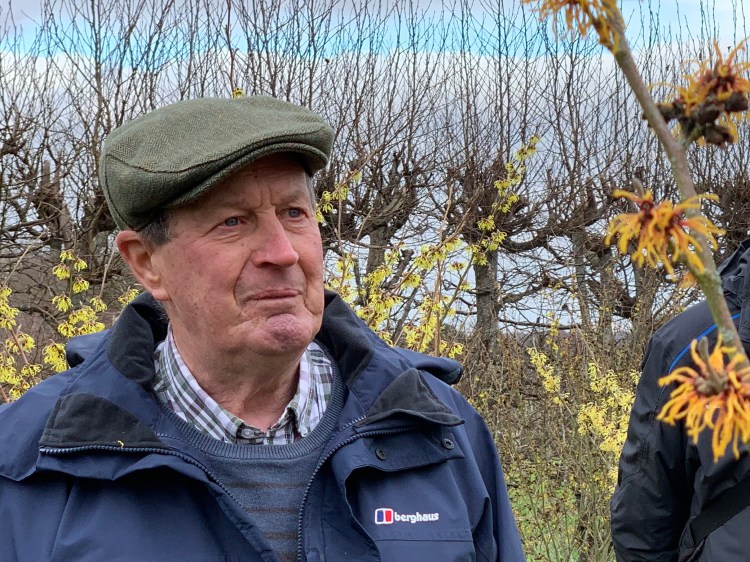
Chris has prepared a summary of the basic points about grafting as an introduction for those new to this much needed technique. Give it a try!
Chris Lane’s one-page practical guide to
BENCH GRAFTING FOR GARDENERS
‘Bench Grafting’ – a term used for grafts that are carried out on pot grown rootstocks, then placed in a protected facility.
REASONS FOR GRAFTING:
- For cultivars of woody plants which will not come true from seed.
- For species where seed is not readily available.
- Where cuttings are difficult to root successfully.
EQUIPMENT NEEDED:
Knife, Secateurs, Sharpening stones/strops, tying materials.
SELECTION AND ESTABLISHMENT OF ROOTSTOCKS:
- Seedlings or cuttings of 4-6 mm stem diameter.
- Potted into P9 or 1 litre deep pots
- Grown on until container has full root system.
SOURCE OF SCION MATERIAL:
Garden plants, either one’s own or from friends.
TIME OF YEAR:
- Dormant season (aka Winter Grafting) – December to March
- Summer Grafting – July to September.
WINTER GRAFTING:
- Collect scion material when fully dormant, usually Late December – Early January.
- Store in polythene bag in fridge if not being used immediately.
- Most often a whip graft is used, and waxed, to prevent the scion from drying out.
- Moisture of compost is key: not wet, nor too dry, which can lead to failure.
SUMMER GRAFTING:
- Scion material will be in leaf, so should be collected ideally in the morning when most turgid.
- Collect in polythene bag containing moisture.
- Placing in a fridge to take field heat out often helps.
- Most often a side graft is employed.
- Completed grafts should be placed in a polythene tent to prevent moisture loss from the scion.
- Normal watering, but with care, as dry compost can lead to failure.
- When callus is seen at the graft union, gradually wean from the polythene tent.
Chris Lane 2025
NEWS AND EVENTS
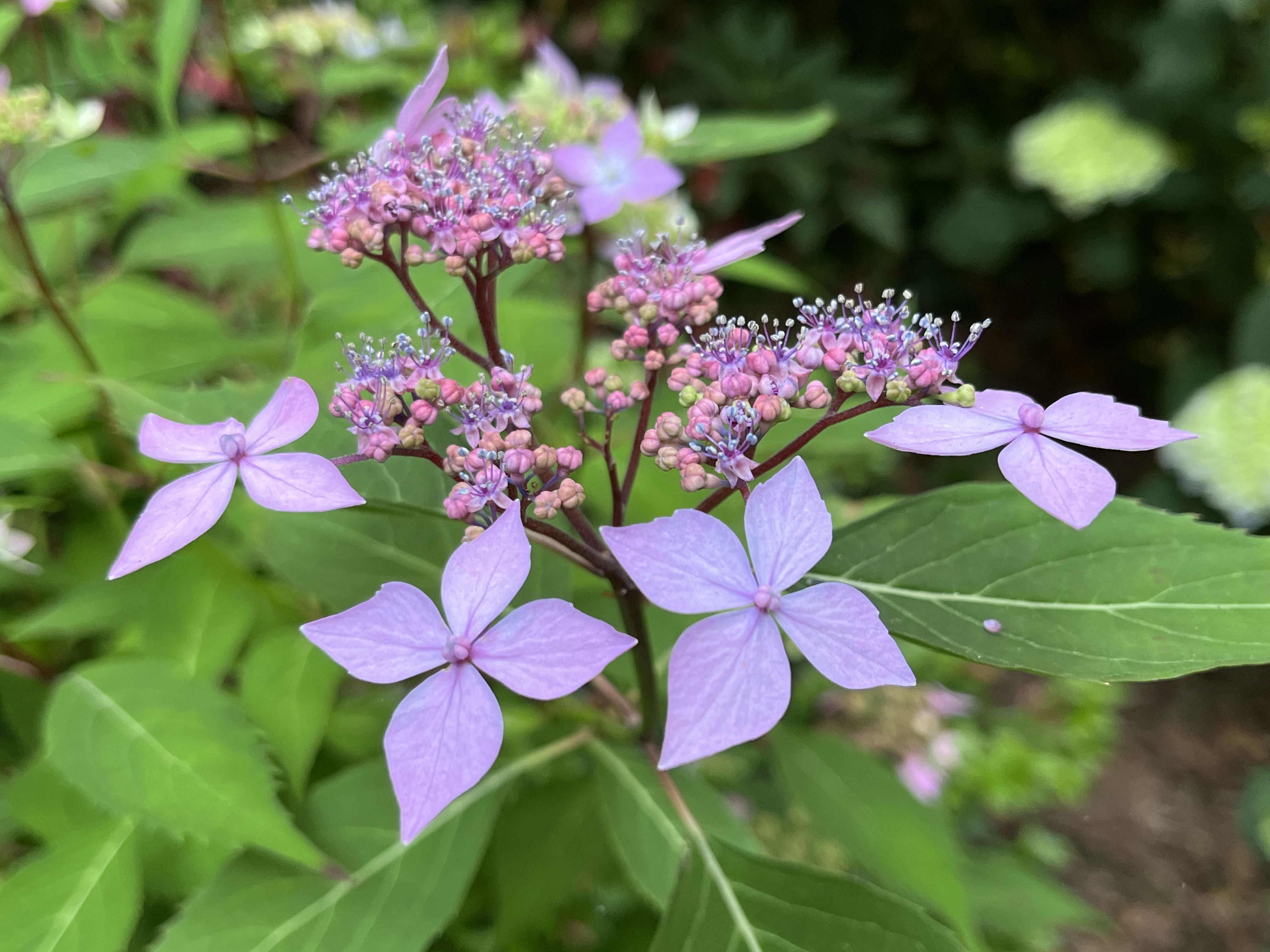
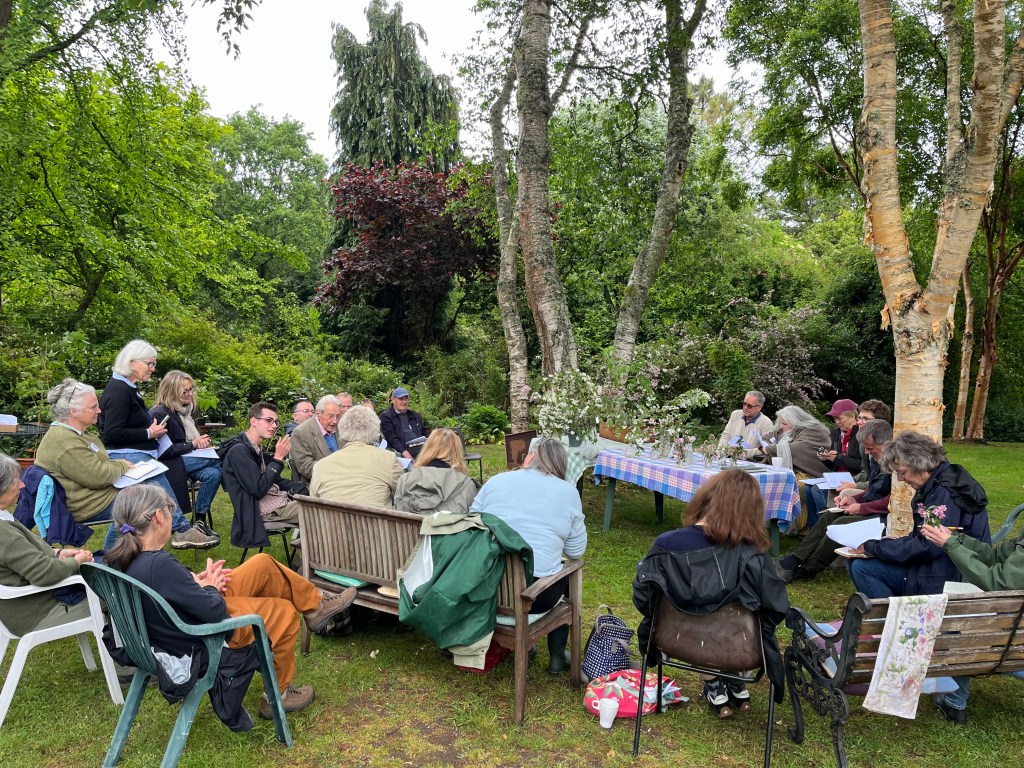
This year we’ve held four Open Days, to which all are welcome (donations gratefully received). These are loosely focussed around learning the history, range, and current questions about an individual genus or group of plants – that are blooming here, at that time – but not exclusively so. We’ve been enjoying the mix at these events of international experts and amateur gardeners eager to learn, so will continue this new format next year. Our last Open Day this year is on August 23rd, on the asperae subsection of Hydrangea (involucrata and asperae). More info, and booking, here. Maurice Foster and Chris Lane (see above) will also demonstrate grafting and cuttings: key summer propagation techniques.
We held an International Dendrology Society (IDS) Study Day on Deutzia on May 24th this year: two IDS Study Days last year at White House Farm (on Camellias and Hydrangea aspera) have recently been published in the 2024 IDS Yearbook. We hope to continue this collaboration into 2026 with a long-anticipated IDS Study Day on Carpinus (Hornbeam) to coincide with the TSO (Trees and Shrubs Online) publication of the update on that genus.
In addition, we’ve enjoyed visits this year from plants people from the Netherlands, Norway, France, and Belgium and the US, with perhaps the highlight the visit of the American Hydrangea Society, with Professor of Horticulture at the University of Georgia and prolific author on woody plants, Mike Dirr.
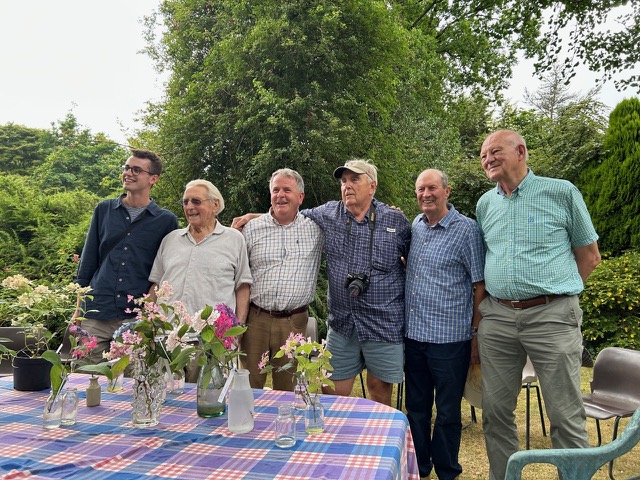
Left to right: Jack Aldridge, Maurice Foster, Rod White, Mike Dirr, Chris Lane, Chris Sanders.
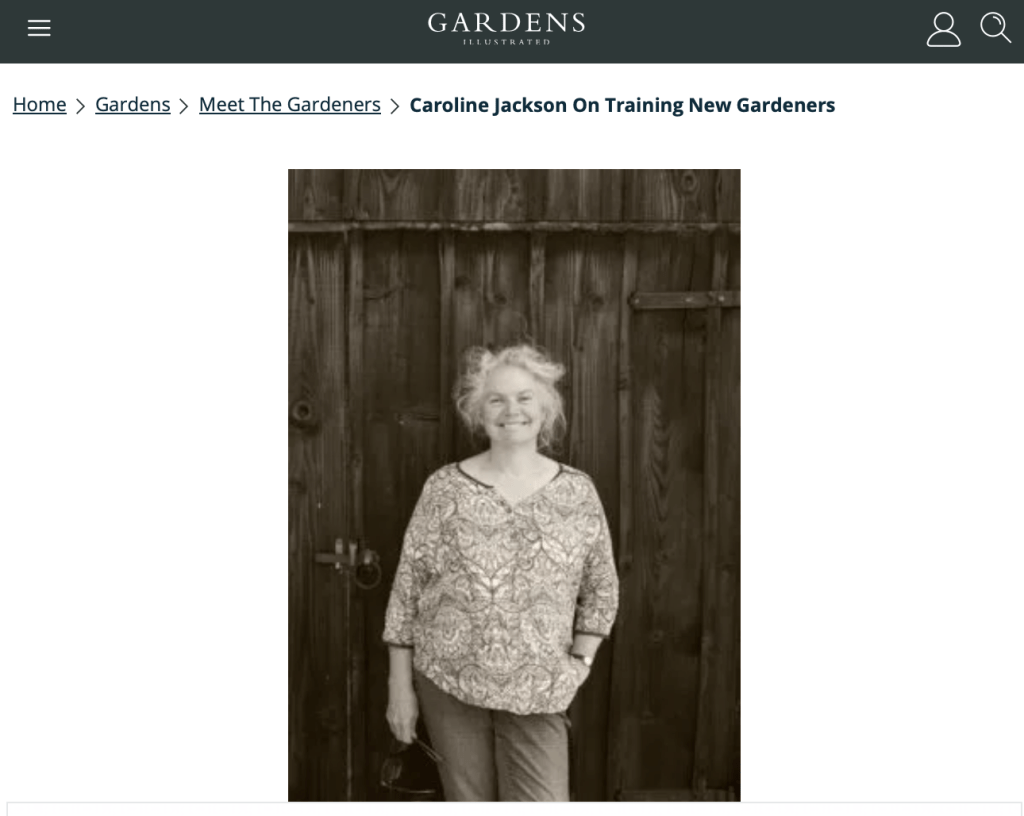
We are delighted that Caroline Jackson has agreed to join our Board of Trustees, and look forward to collaborating with her on many creative educational events at White House Farm in future. Widely-known as a long time lecturer in horticulture, she’s just had her own (long overdue) profile in Gardens Illustrated, as a pre-eminent teacher and enthuser of the next generation of horticulturalists in the UK. Her ideas have already been behind what have been doing here at WHF for some years, and we are delighted to have her officially on the team.
As always, If you’d like to request to visit, propose events at WHF, or find out more about our Volunteers and their weekly Afternoon Gardening Teas, get in touch!
 White House Farm Garden and Arboretum