

News and events about White House Farm, Maurice Foster’s garden and arboretum in Kent, England
Welcome to the sixth White House Farm biennial newsletter, for Friends of White House Farm. This comes to you as an email twice yearly if you subscribe here.
‘A Winter’s Tale‘ by Maurice Foster
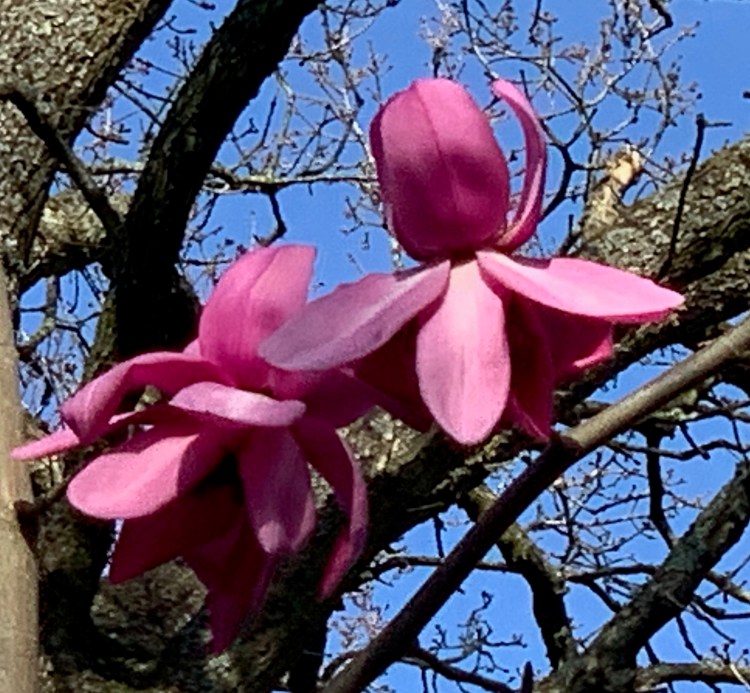
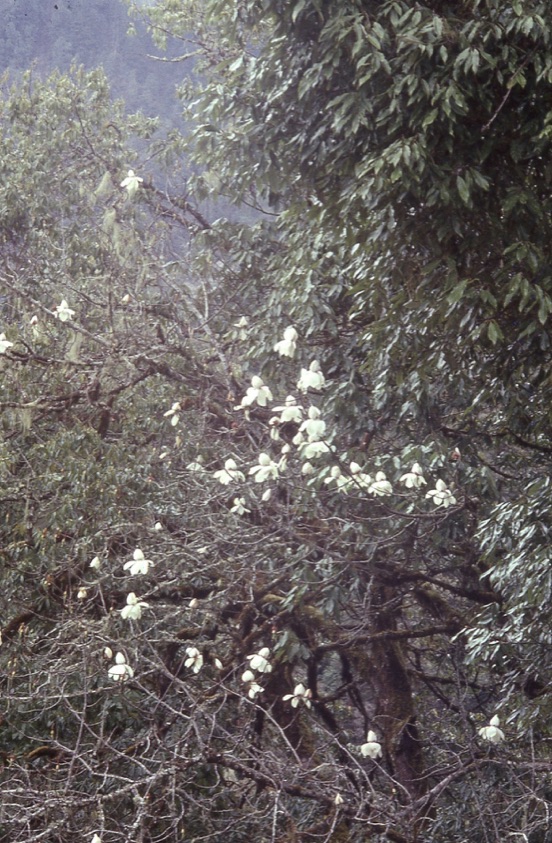
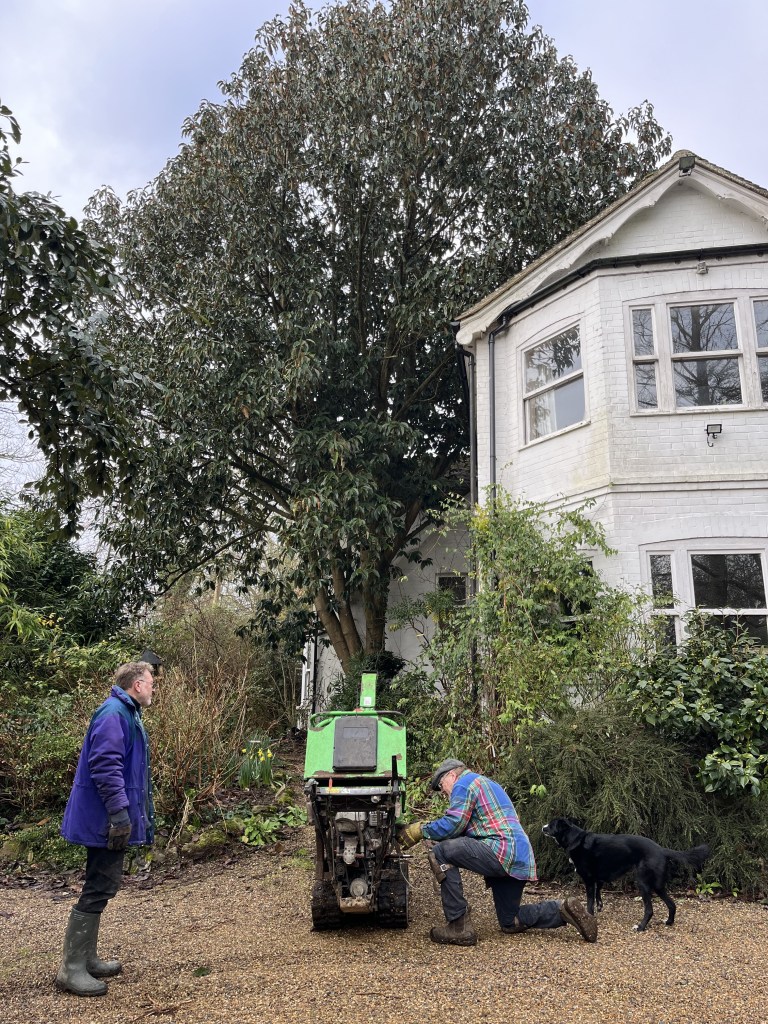
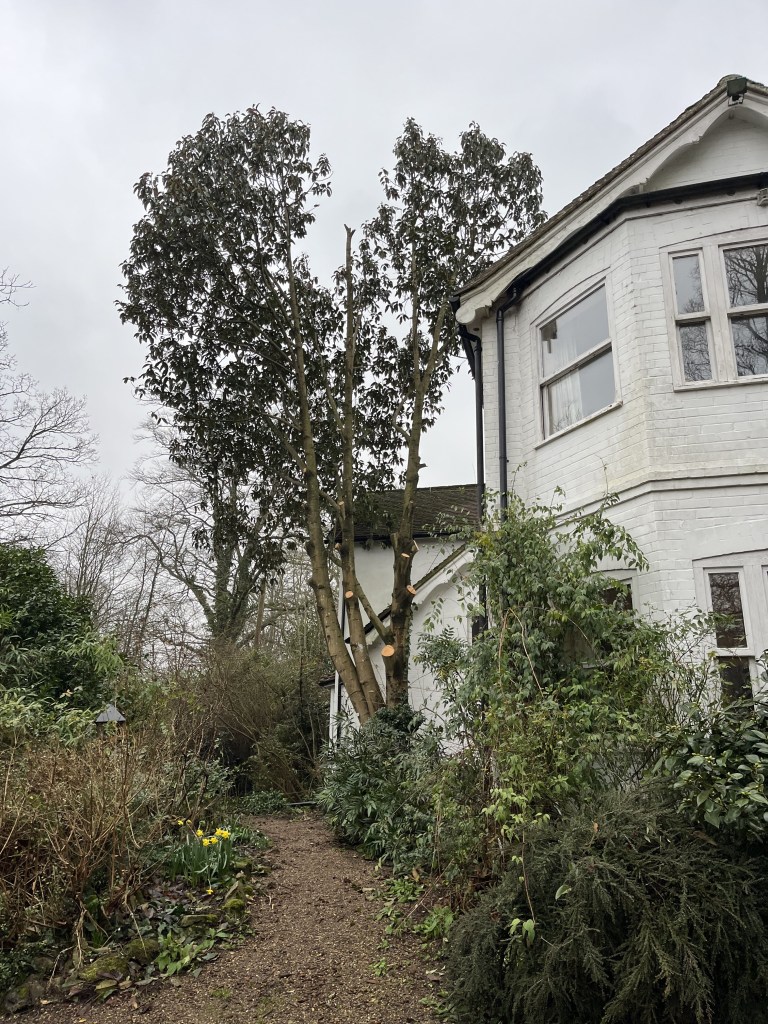
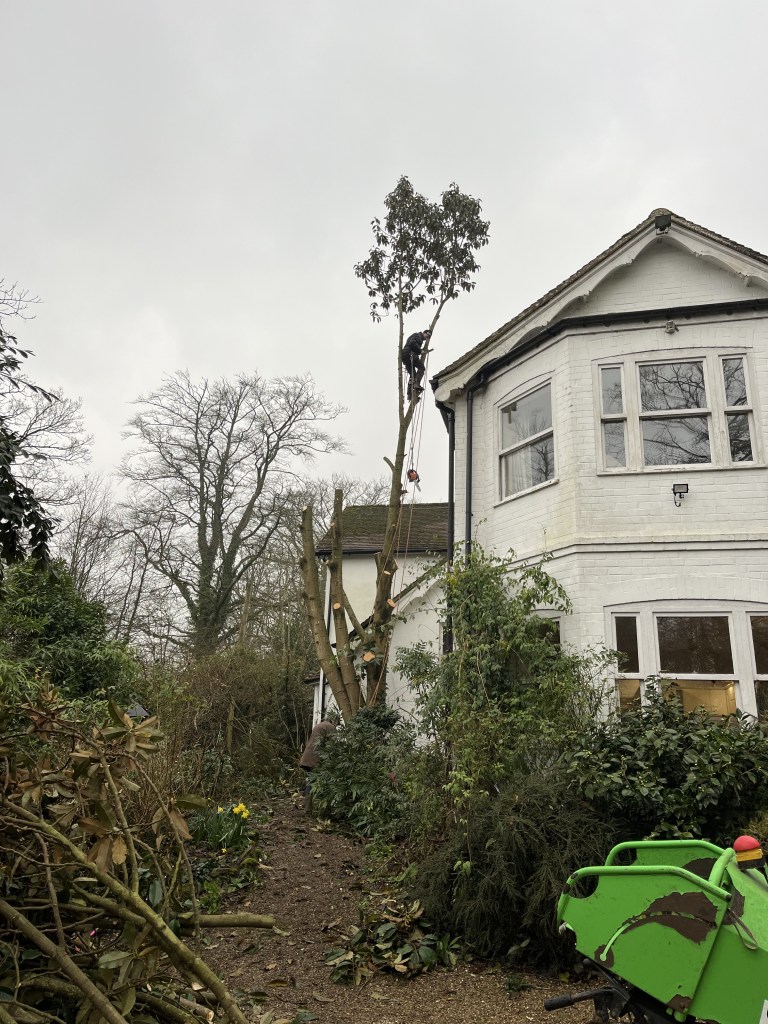
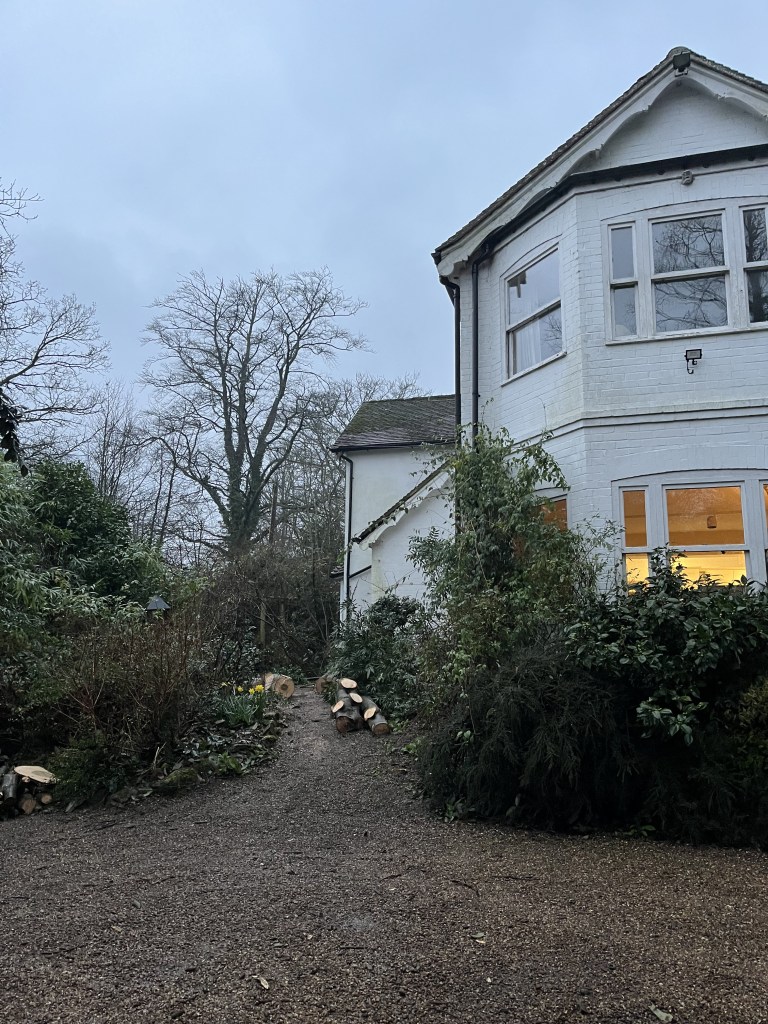
Fifty five years ago I rooted a cutting of Michelia doltsopa (now Magnolia doltsopa). I knew of only one plant growing in the South East, in the walled garden at Wakehurst Place. It was a miserable thing, winter damaged, and obviously wished it was down in Cornwall. Thus forewarned I put my small plant in an angle of the house next to the wall, facing south, thoroughly wind sheltered by neighbouring woodland and with some topcover. Perfect place except…. measured by the Tree Register in 2019 it had reached 13m in height and 142cms in girth, and there was some evidence that this quite massive tree, a county champion, was beginning to affect the structure of the house. This year – it has continued to grow well – it more or less promised to push the house over. Alas, it had to go. For me, who remembered the 8 inch twig from which it sprang, it was a major tragedy.
However it is not totally consigned to oblivion. As it appears to be a hardy plant we have propagated it to plant elsewhere and distribute a few plants to friends. We also plan to commission various objects to be fashioned from its wood, which may have rarity value – it is not every day a sound healthy champion Michelia is felled.
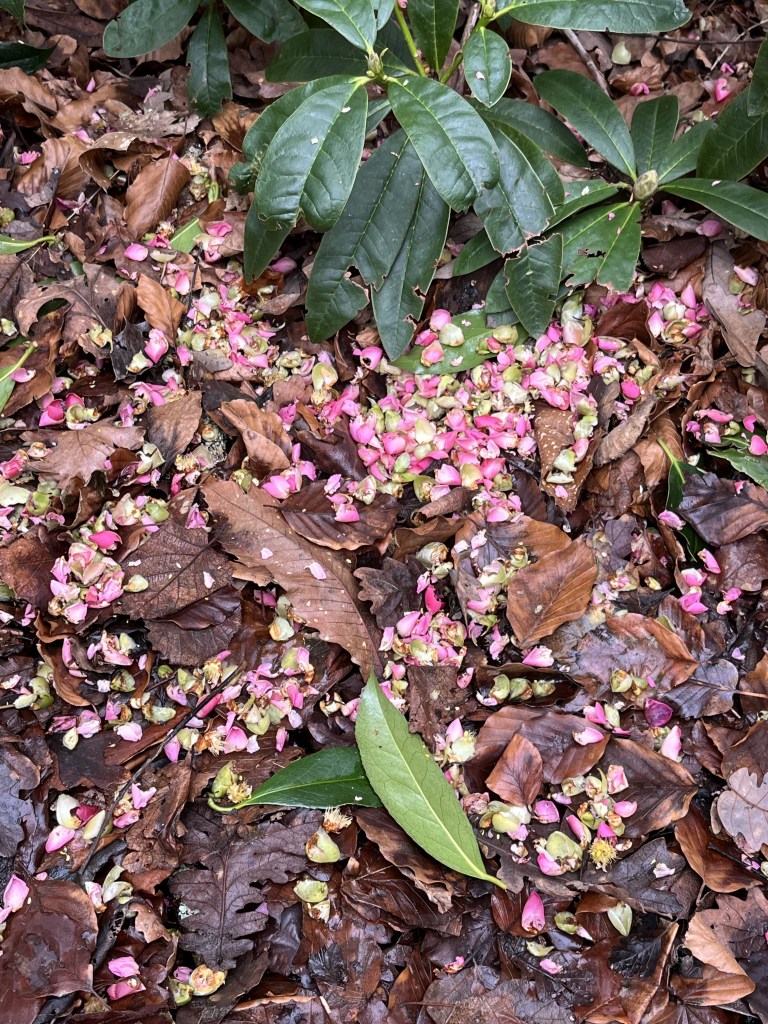
Squirrels have no predators, except perhaps gardeners and countrymen generally, trapping and shooting. But whatever you do to contain them, there are so many they keep coming back. Bark stripping is major environmental vandalism, and ripping nuts in vast quantities another criminal activity. Now this winter, for the first time, destroying camellia flower buds in quantity has become a new phenomenon. It has occurred in the past, but in an acceptably minor and incidental way. This year they have picked on 4-5 large plants and virtually stripped the buds apart from those on the end of low laterals they cannot reach.
Much wildlife generally is part of the garden scene and often deeply frustrating. Mice relish the young shoots of Clematis and keep eating them off. This is worth checking as death is sometimes attributed to ‘wilt’. Moles disturb recently planted rhododendrons. Pigeons destroy whole racemes of Wisteria, littering the ground with buds. Deer severely prune roses and rub bark from trunks of young trees, damaging them beyond recovery. Bullfinches strip flower buds from many genera, often taking more than 90% of flowers on favourite genera like prunus, or amelanchier. Rabbits are ubiquitous and horticulturally omnivorous. Badgers dig whole areas of lawns and paths, leaving turf in shreds. Part of gardening is being philosophical about such setbacks – everything will take advantage of the conditions you’ve created in different ways. It’s ironic that the better you garden the more wildlife you attract…
One good news story concerns snowdrops which this year have become a significant element in both garden and wood. Added to each year, they will become something of a major feature from January on, through late winter. The late Veronica Cross used to give me some of her latest treasures every year, such as ‘Treasure Island’ and her namesake, ‘Veronica Cross’, and these have been steadily bulking up and will soon be ready for redivision.
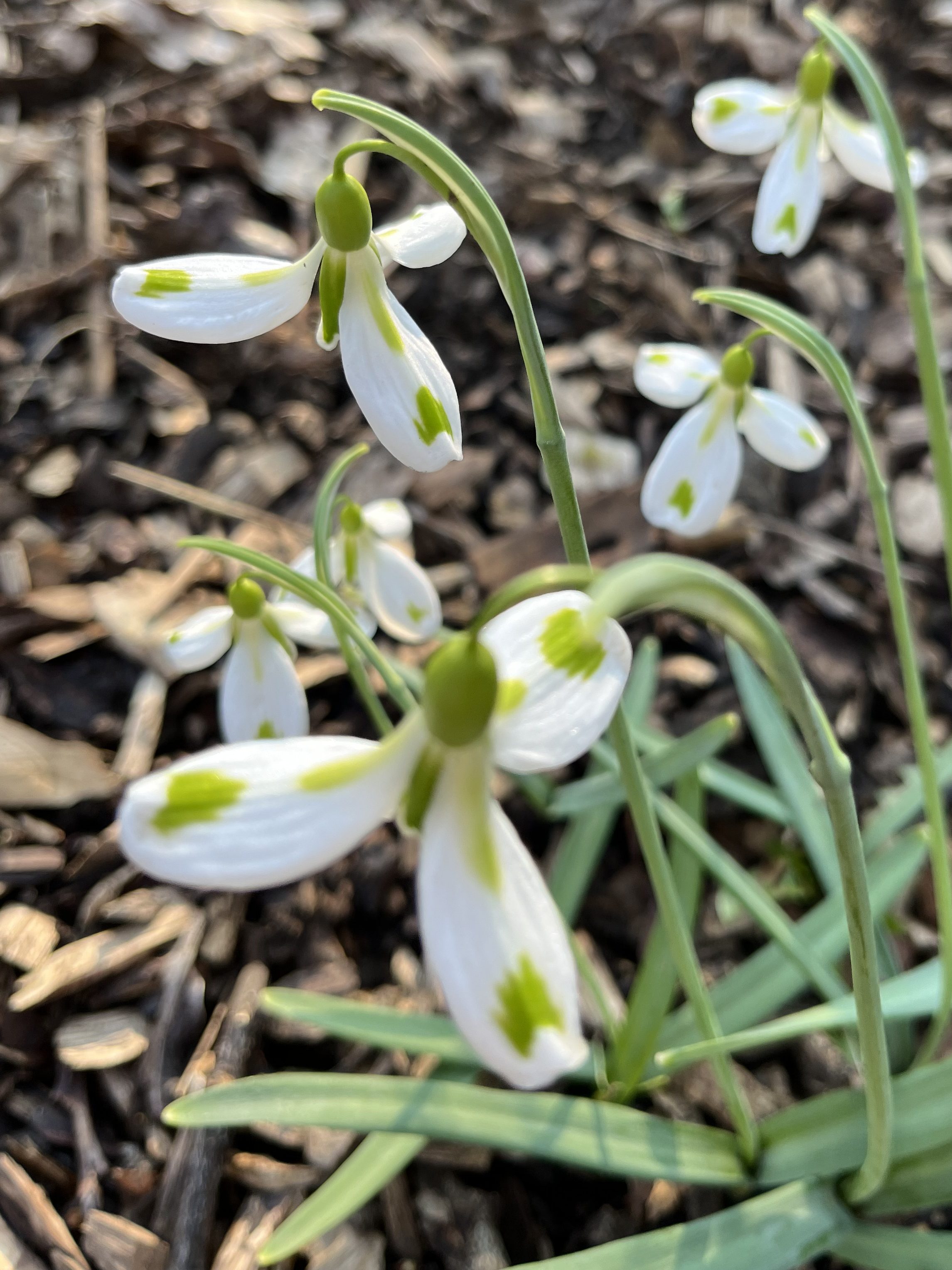
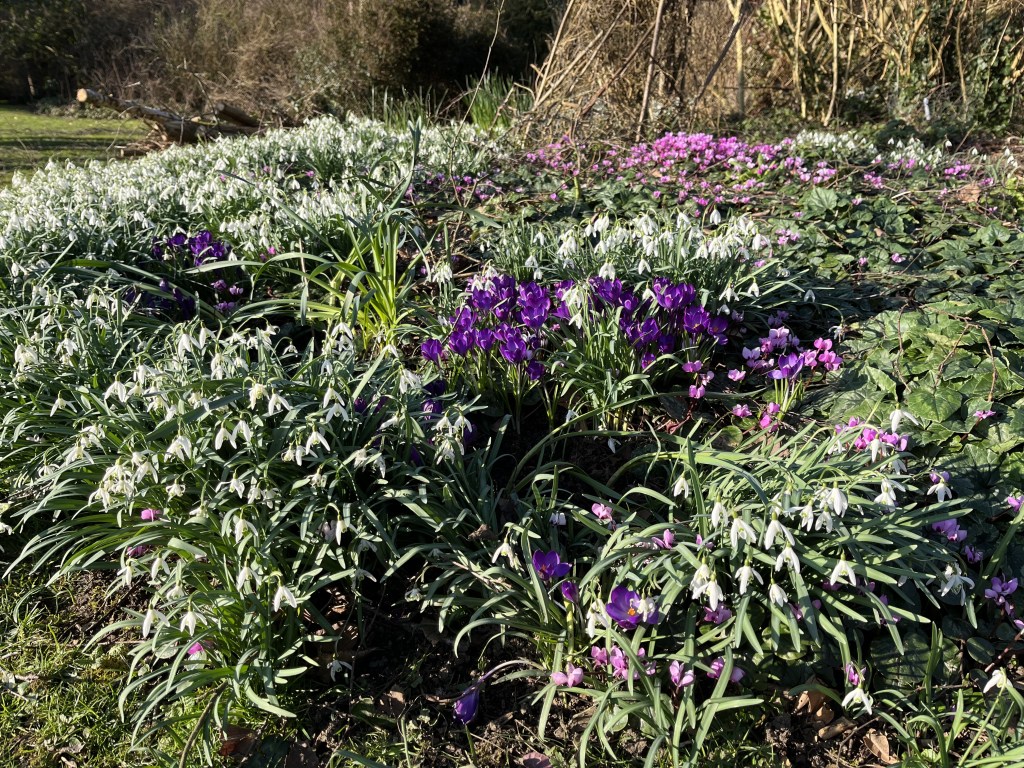
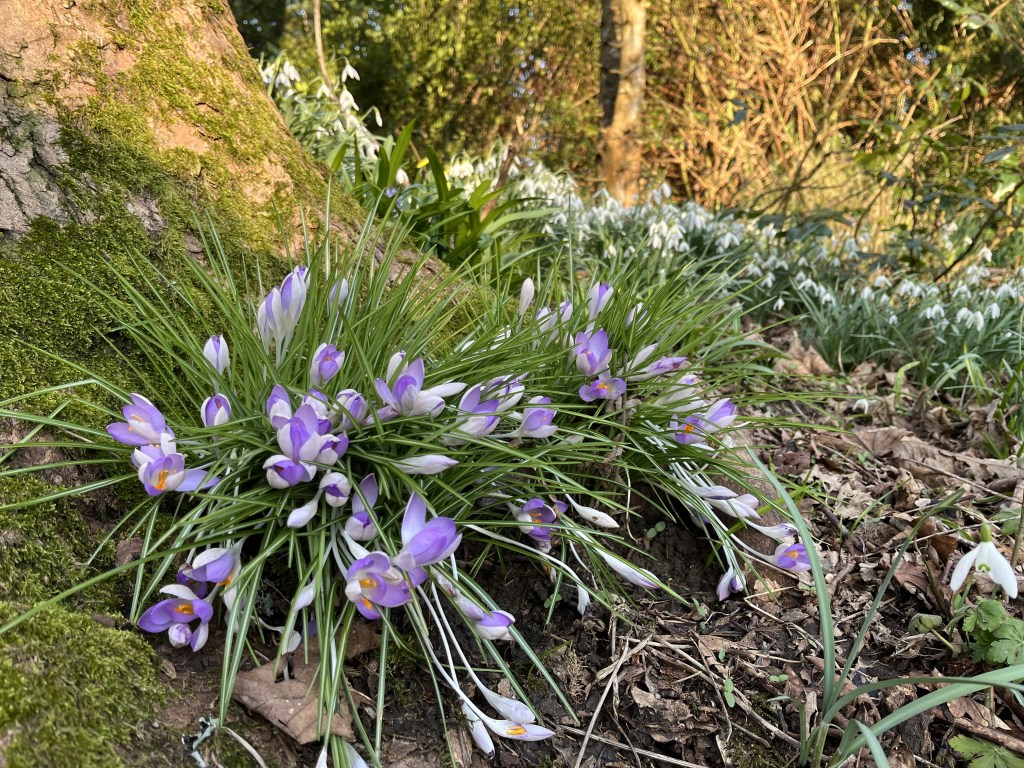
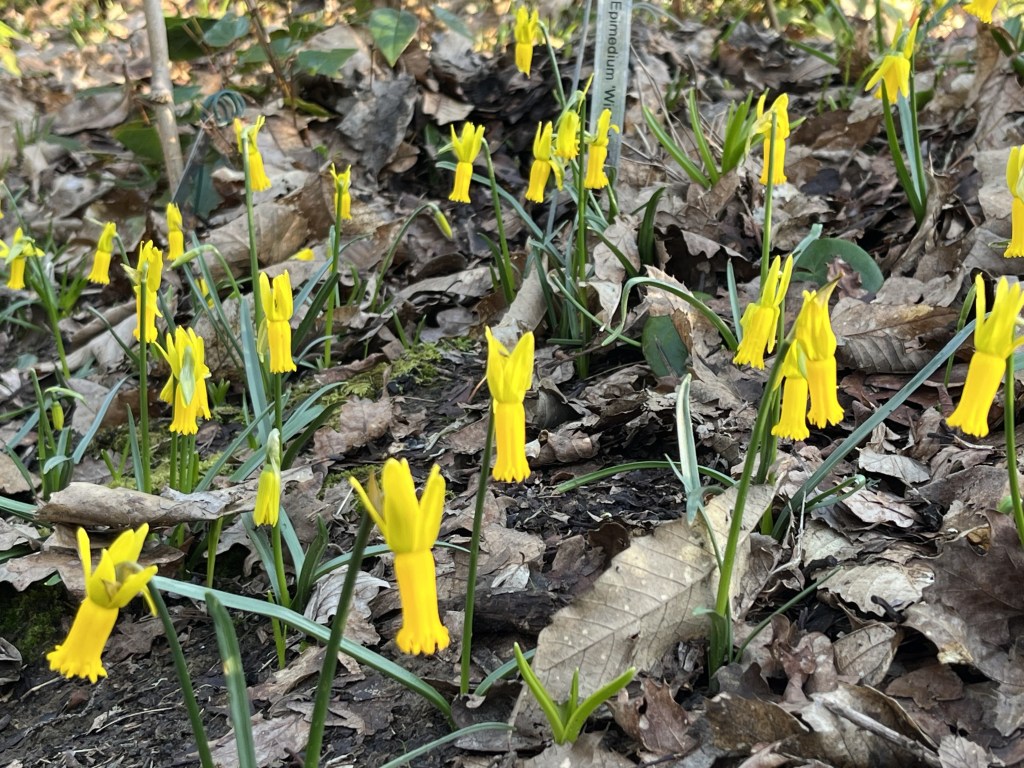
Old vigorous varieties such as ‘S. Arnott’, ‘Brenda Troyle’ and ‘Magnet’ continue to prove their value and reliability and many of the vigorous Galanthus elwesii types such as ‘Bertram Anderson’, their bold-foliaged, large-flowered groups spattered with self sown Crocus tommasinianus and its varieties. Early daffodils such as Narcissus cyclameneus, ‘Dawn Chorus’, ‘First Hope’, ‘Rijnveldt’s Early Sensation’, ‘Bowles Early Sulphur’ and the wonderful N. pallidiflorus ‘Ros Banks’ provide a tincture of yellow to complement the carpet of white G. nivalis – practically a weed with us, so local conditions are good for the genus.
News
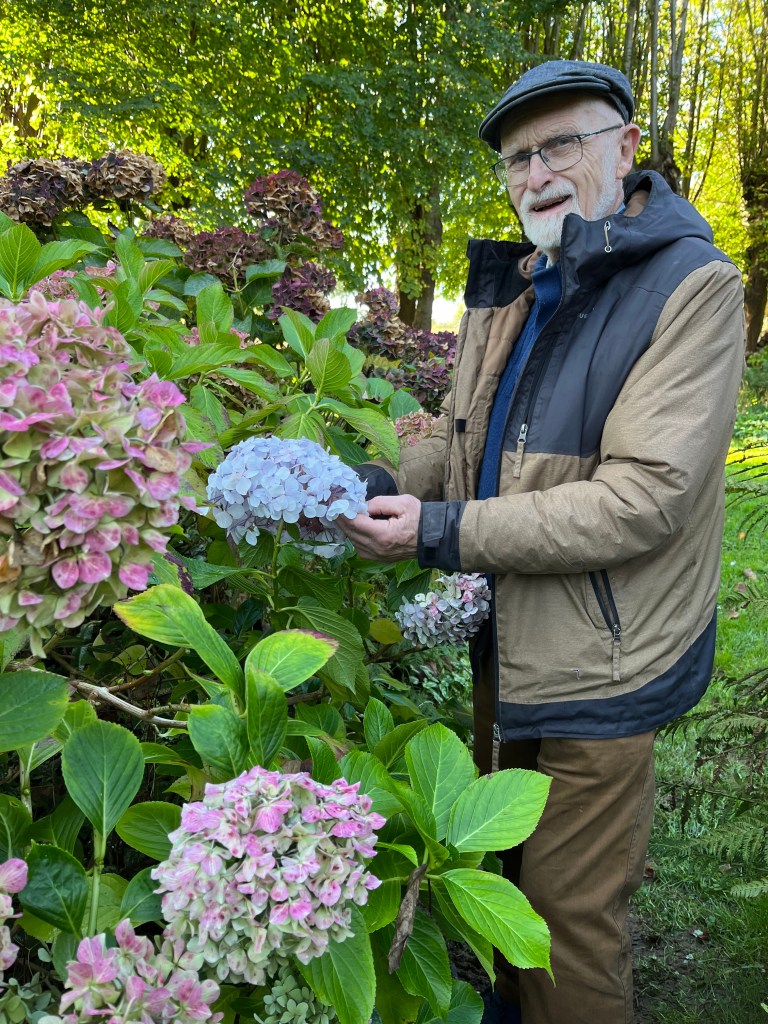
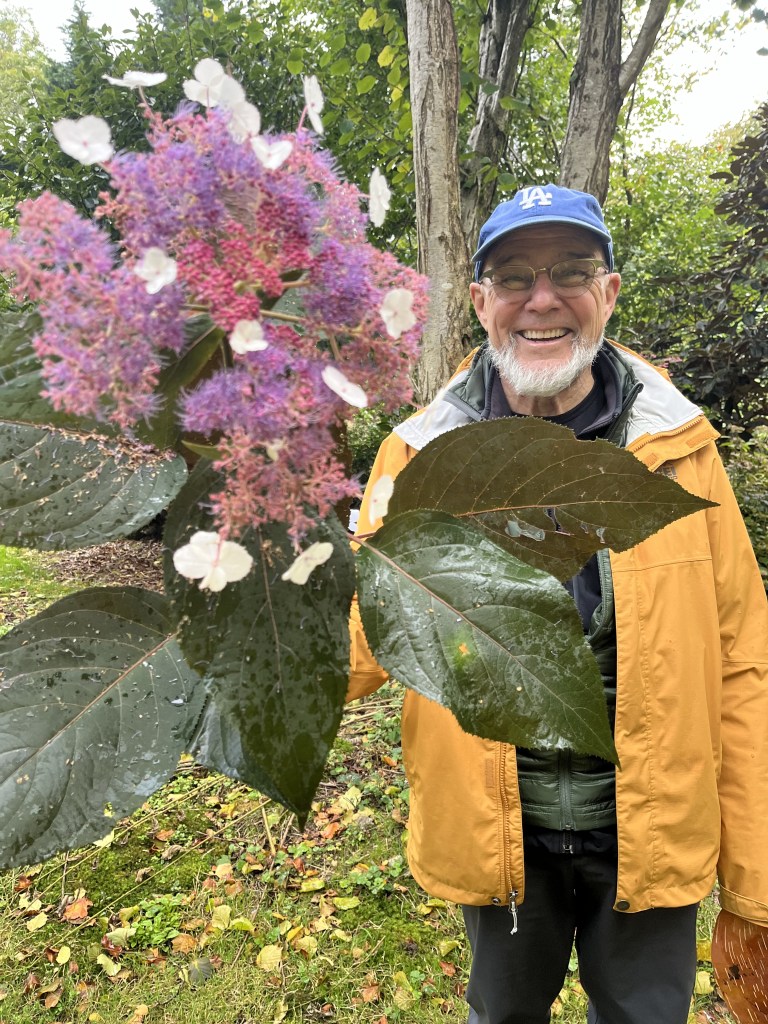
After our autumn Garden Masterclass on October 24th Clare stood in for Maurice (who was ill) at Les Botaniques de Varengeville to give Maurice’s lecture about the Asperae section of the genus Hydrangea, meeting the considerable challenge of giving the talk in French (with help from the mostly French audience). A blog by Maurice on this topic will follow soon: he has been blogging on mahonias, early magnolias, and plans to continue throughout 2025 as the collections at WHF raise interesting questions. To sign up to automatically receive these posts click the button at the bottom of our ‘About’ page here.
Maurice’s book on Hydrangeas went into a second printing in November, and copies are at last available for sale again to visitors and friends. If you buy from us at the book’s RRP of £30 this raises modest funds for the Foundation. To order a signed copy for £30 plus £3.45 p&p (within the UK), email us at whitehousefarmarb@mail.com.
Upcoming Events
We are holding Spring Open Days:
Sunday March 30th & Wednesday April 9th
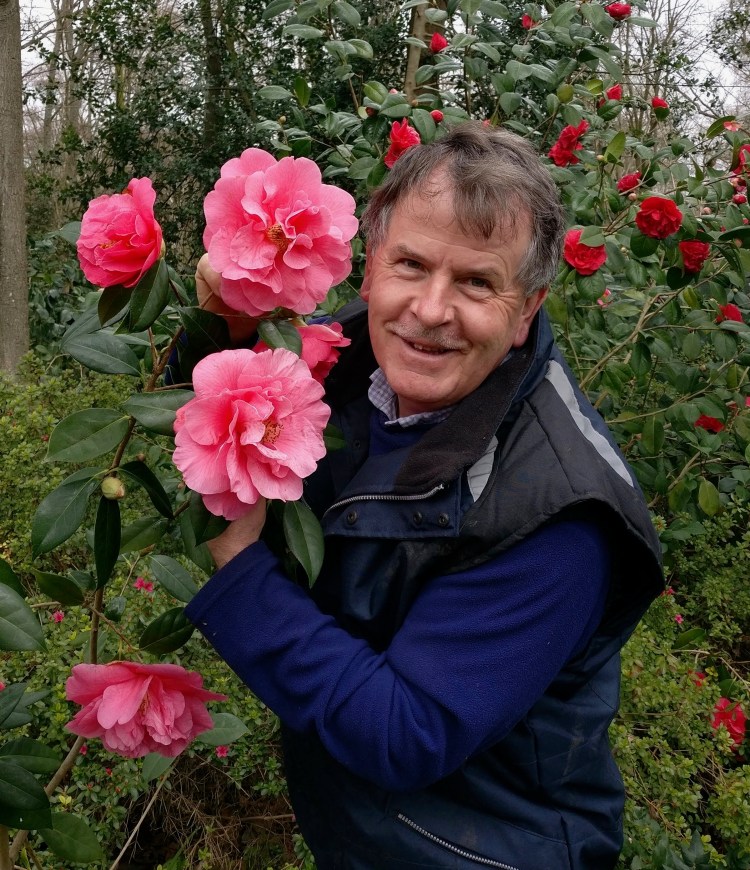
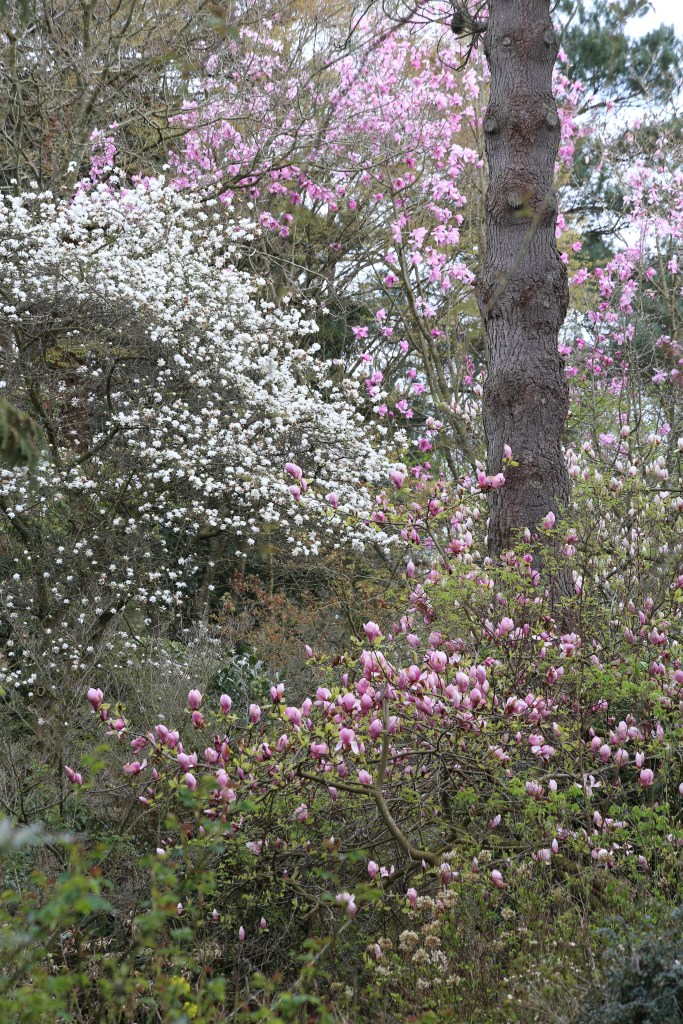
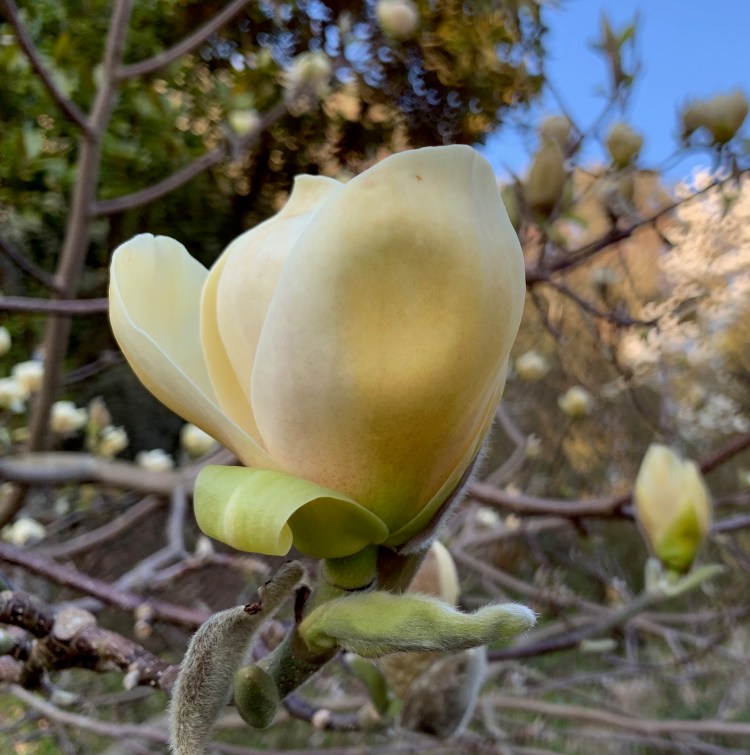
The main focus will be on Camellia and Magnolia, with other stars like Melliodendron xylocarpum also bound to cause a stir. Come for 10 am for coffee, for introductory talks at 10.30 and tours setting off at 11am. Bring your own picnic lunch. You are welcome to join later, or in the afternoon: there will be more discussion over tea at 4pm. WHF Trustees will be on hand to guide, discuss the collections and answer questions. Gift Aid Donations are welcome: most choose to give £15 per person. To reserve a space email whitehousefarmarb@gmail.com.
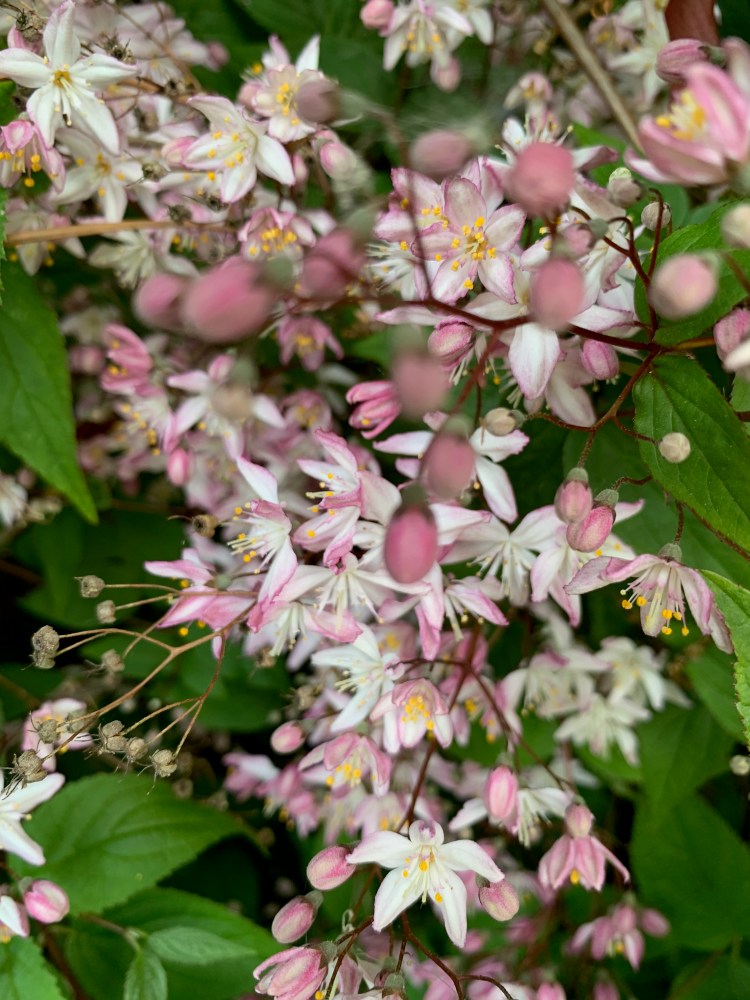
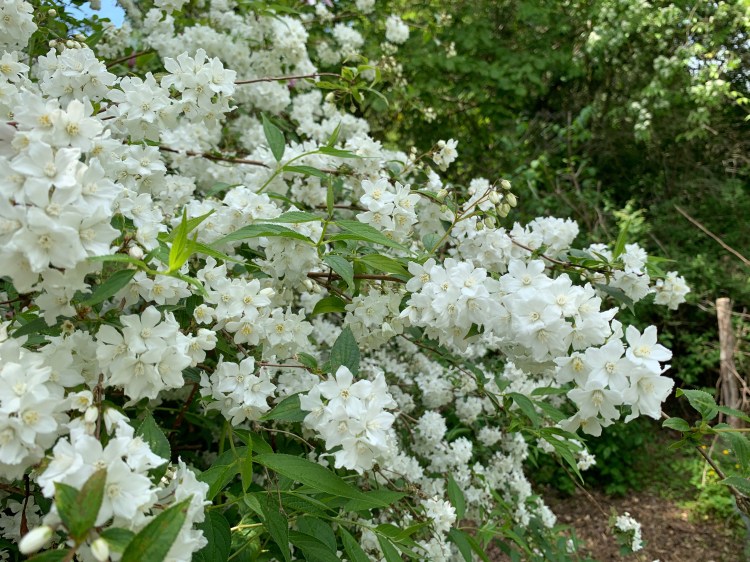
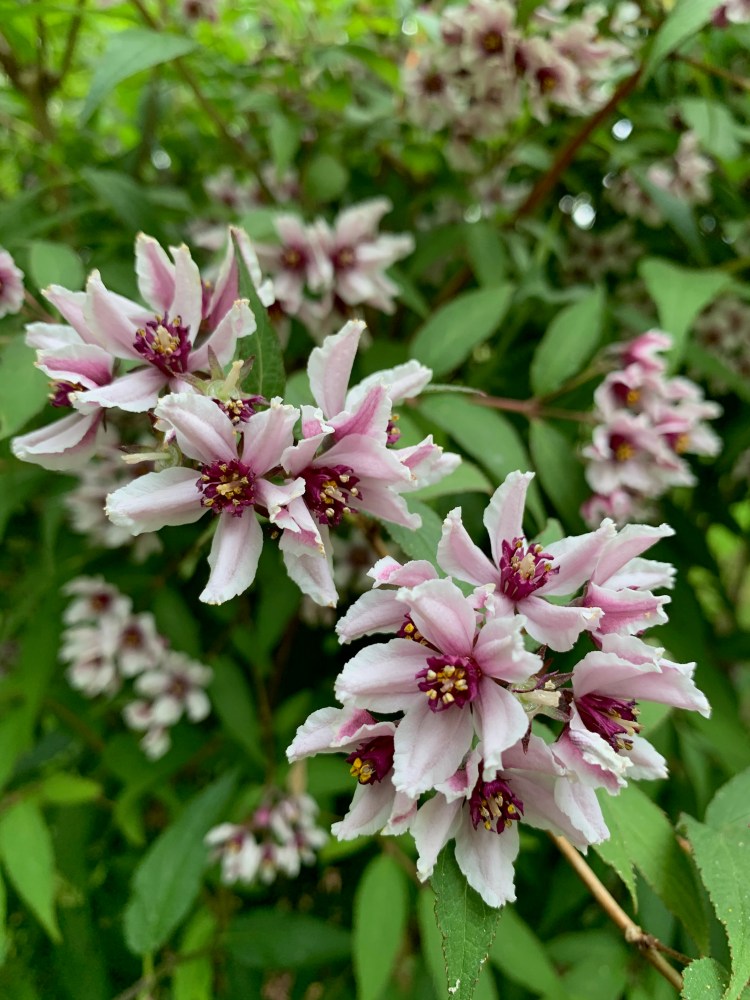
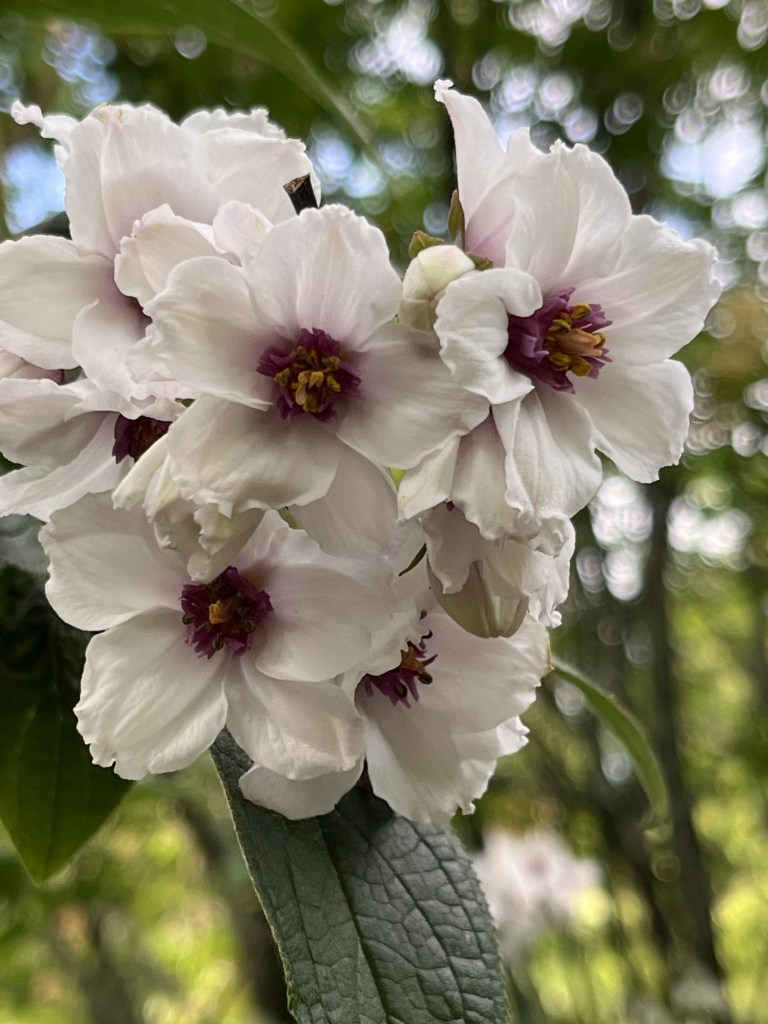
Saturday May 24th – IDS Study Day on Deutzia
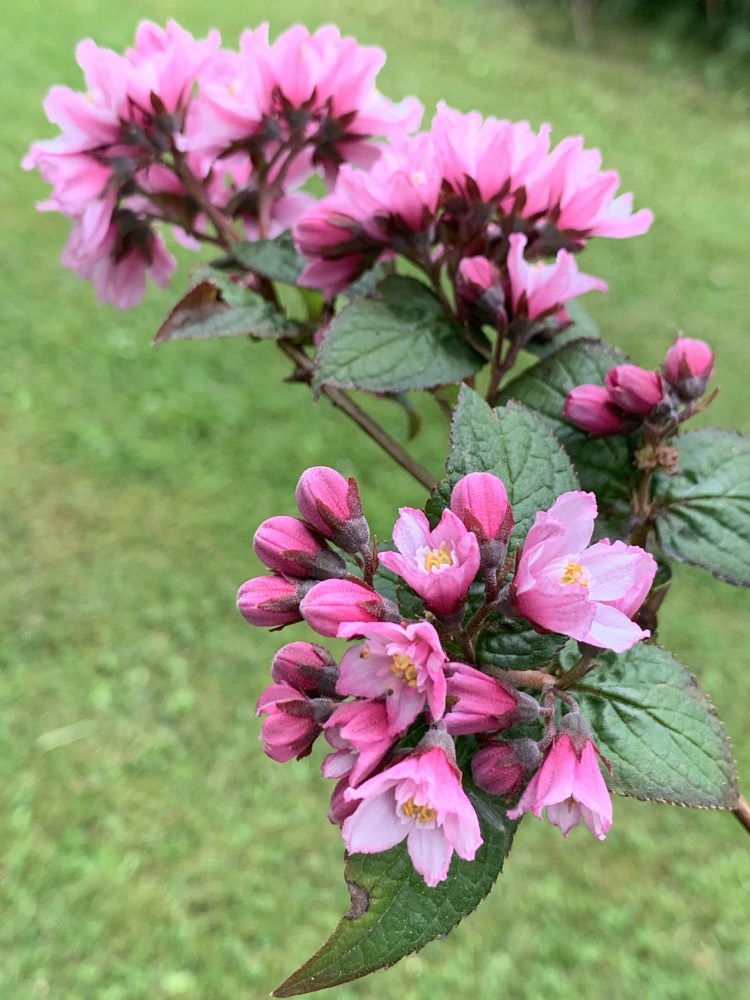
Save the date for this in-depth look with the IDS at the history and future of Deutzia species and cultivars. Short talks and discussion of specimens in vases will be followed by a tour of cultivars and species growing in the garden and arboretum. All species in cultivation will be covered, followed by a Q & A, Plant of the Day, and participant discussion over tea in the afternoon. Bring samples of Deutzia for identification and discussion and it would be helpful to have x 20 plus lens. We aim to get to a pruning demonstration of the early varieties. Booking will be through the IDS, lunch included. Maurice has long been a proselytiser for this underused garden plant: he’ll explain why.
June 14th – Species Roses Open Day
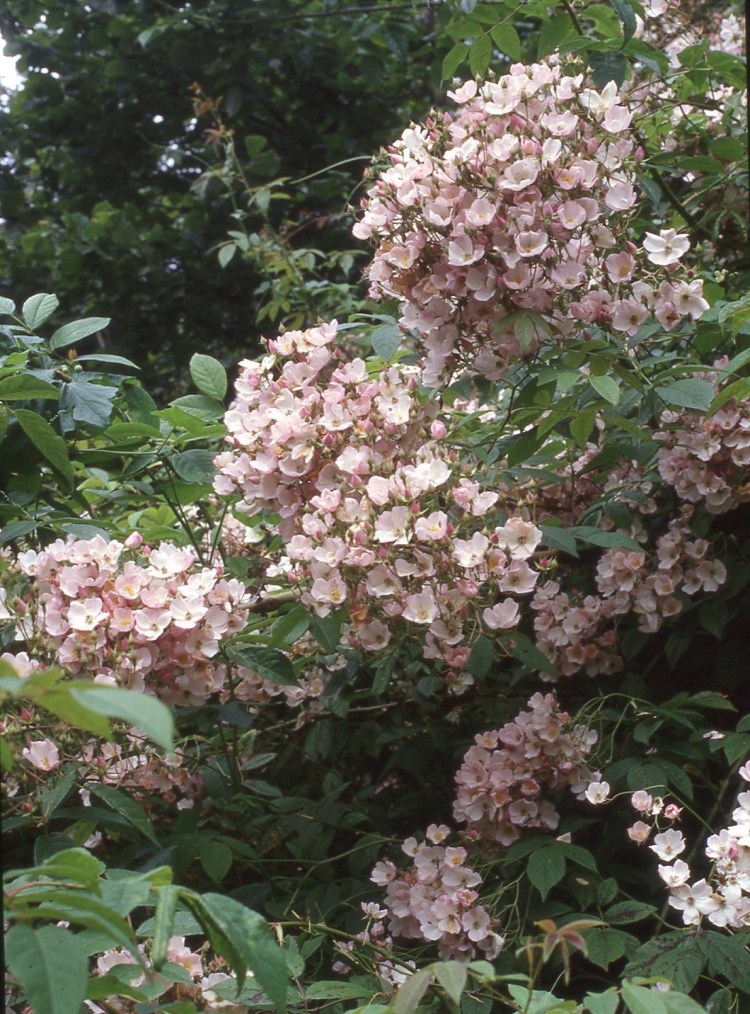
Species roses, both climbers and shrubs, are much overlooked in gardens; this day will look to address that, looking at our collection of wild collected species and hybrids. 10am start for coffee, with talks at 10.30 and tours setting off at 11am. Late or afternoon arrivals also welcome – please bring a picnic lunch if staying all day. Free tea and coffee will be provided all day, with further discussion over tea at 4pm. Gift Aid donations are welcome: most choose to give £15. Our Trustees will be on hand to discuss our specimens of wild rose species and answer questions. To reserve a space email whitehousefarmarb@gmail.com. Maurice has written several articles on the subject, including: A Genuinely Evergreen Rose, and Elusive Titans of the Trees: the Synstylae Group.
June 25th: Hydrangea serrata Open Day
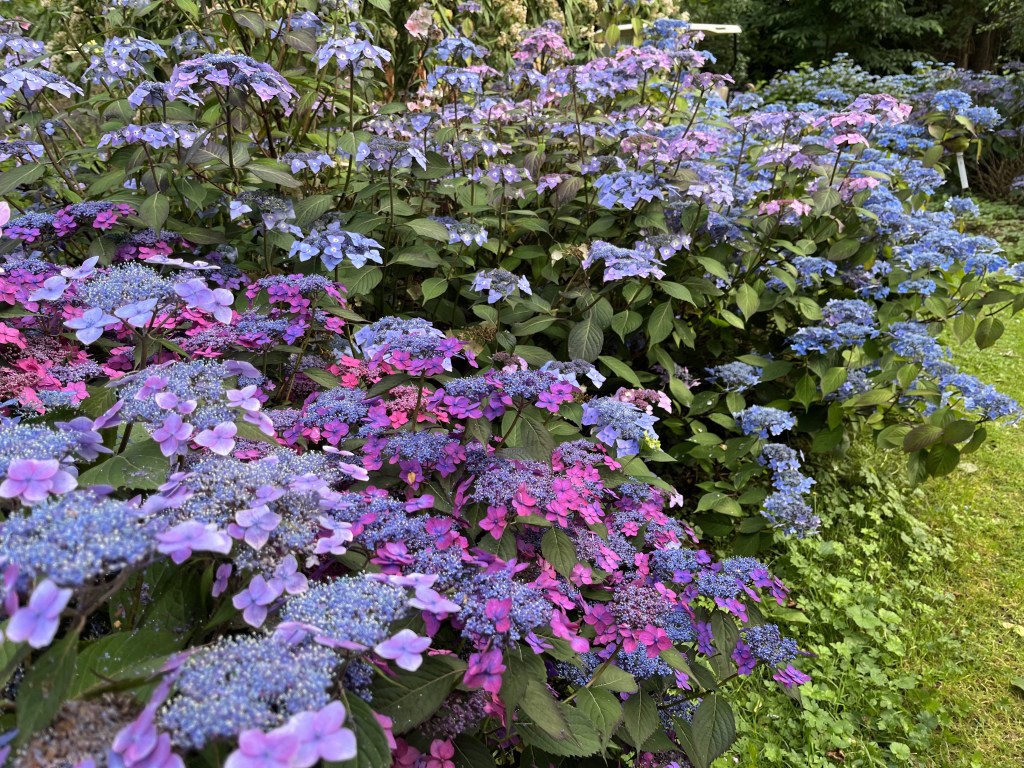
A Hydrangea serrata Open Day is planned for Weds June 25th: most of the our unique hybrids and forms, including those in the multicoloured H. serrata walk, should be fully out then. 10-5pm: bring a picnic lunch. Suggested donation is £15 per person. To reserve a space, email whitehousefarmarb@gmail.com.
July 5th – IDS/TSO Study Day on Carpinus
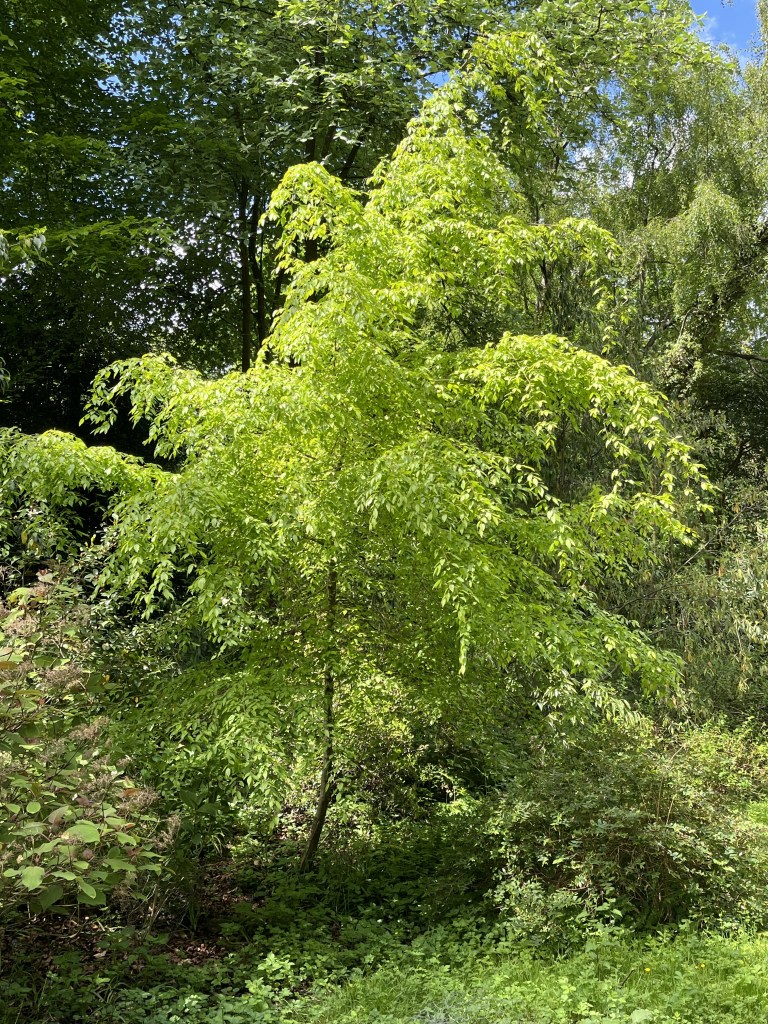
Led by Maurice Foster and John Grimshaw, Editor of IDS Trees and Shrubs Online (TSO) and Curtis’ Botanical Magazine. As always, we will study and compare the many species of Carpinus in the collection, almost all of known wild provenance, and discuss the botanical issues and horticultural potential of the genus. Maurice, a Trustee of the Tree Register of Britain and Ireland (TROBI) has long extolled the virtues of these hornbeam species.
August 23rd – Hydrangea aspera Open Day
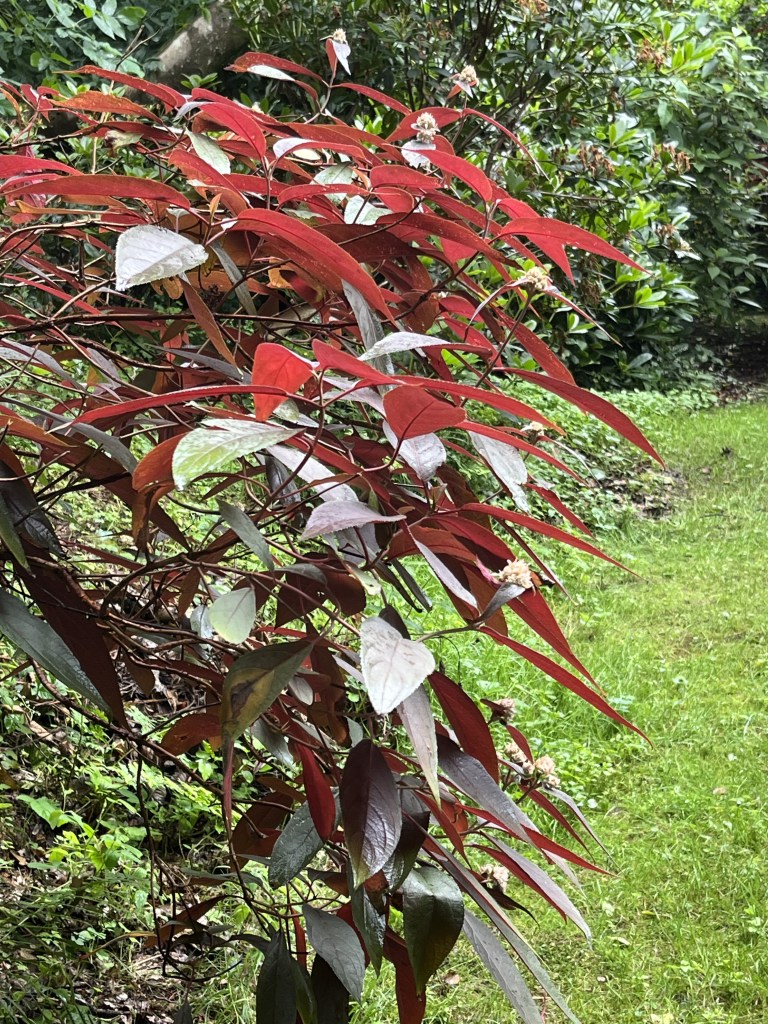
An opportunity to come and see our collection of unique coloured-leaved and brightly-coloured Hydrangea aspera hybrids and seedlings, with Maurice and our Trustees on hand to guide and explain. 10am start for coffee, with talks at 10.30 and tours setting off at 11am. Late or afternoon arrivals also welcome – but please bring a picnic lunch if staying all day. Tea and coffee will be provided throughout, and donations are welcome: most choose to give £15.
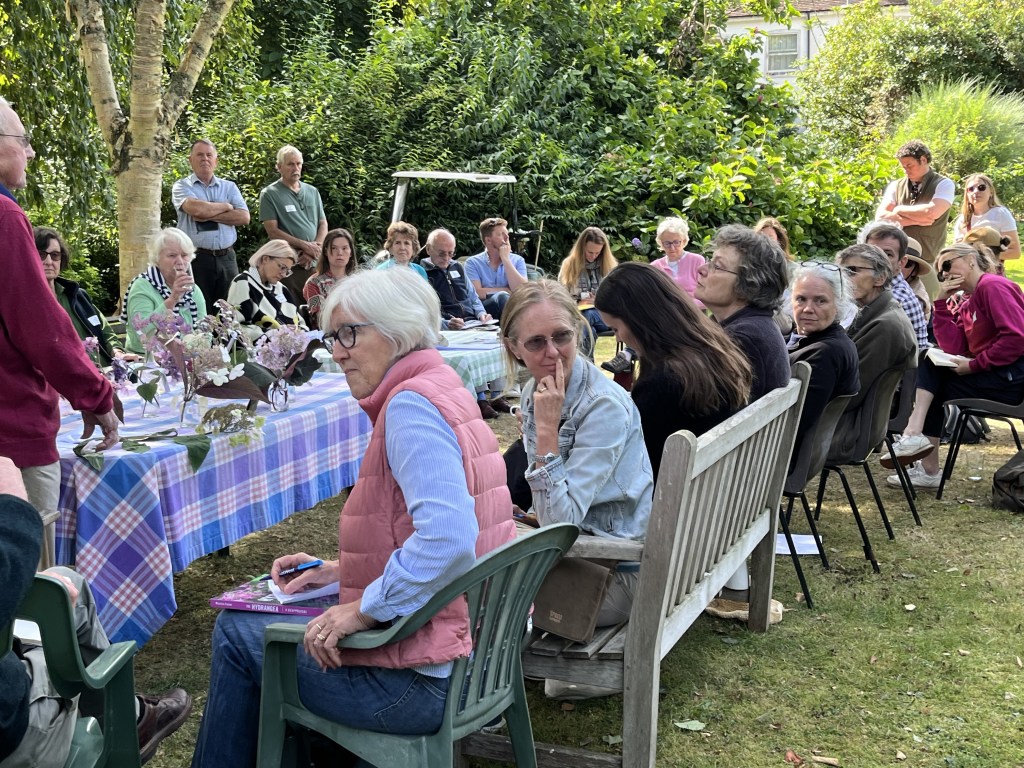
As always, If you’d like to request to visit on any other dates, propose any other type of event at WHF, or find out more about our Volunteers and their weekly Afternoon Gardening Teas, get in touch!
 White House Farm Garden and Arboretum