This is a repost of Owan Hayman’s blog ‘Hydrangea aspera: in love with lacecaps at White House Farm’ as part of his monthly blog series ‘In From The Garden’ for garden designers Bestall & Co (first published on September 8th, 2022).
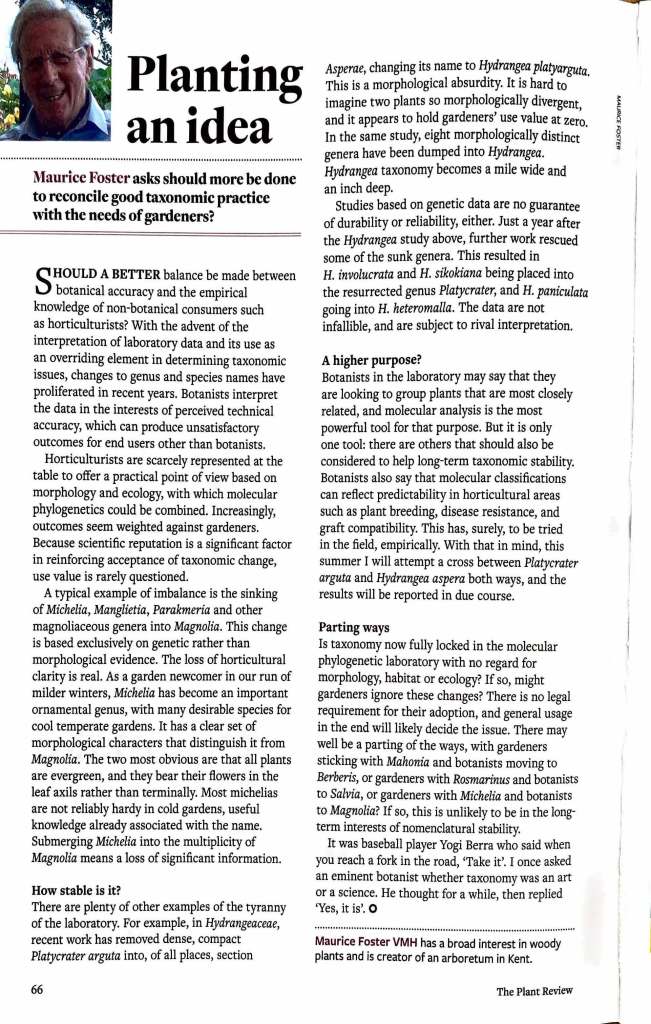
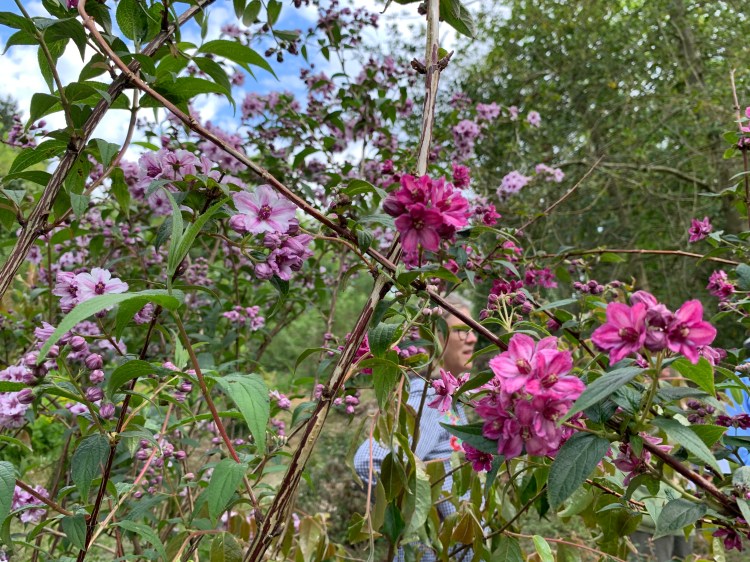
In mid-August, I joined a trip to visit a little-known treasure trove of a garden and arboretum in the ‘Kentish Alps’, just off the M25 by Sevenoaks. Maurice Foster started with 5 acres at White House Farm over 50 years ago, creating the garden with his late wife Rosemary. About 30 years ago they gained an additional neighbouring pick-your-own strawberry field, on which they planted a 7-acre arboretum. Almost every plant in the arboretum is from wild collected material of known origin, much by Maurice himself. He participated in legitimate expeditions to Pakistan, Mongolia, Japan, Tasmania, and New Zealand, but China was where he kept going back. What they created is anything but a dull stamp collection; this is a wonderland of beautiful and rare woody plants, displayed with real artistry. The collection has been largely private for most of its history, but was established as a Foundation in 2019, and Maurice and his daughter Clare welcome visitors through guided group tours. Seeing the plants through Maurice’s eyes, having seen exactly how and where they grow in the wild, gives otherwise unobtainable insight into how plants can be placed and mingled to best effect. This helps us understand plants as communities, rather than individuals; a cornerstone of sustainable planting design.
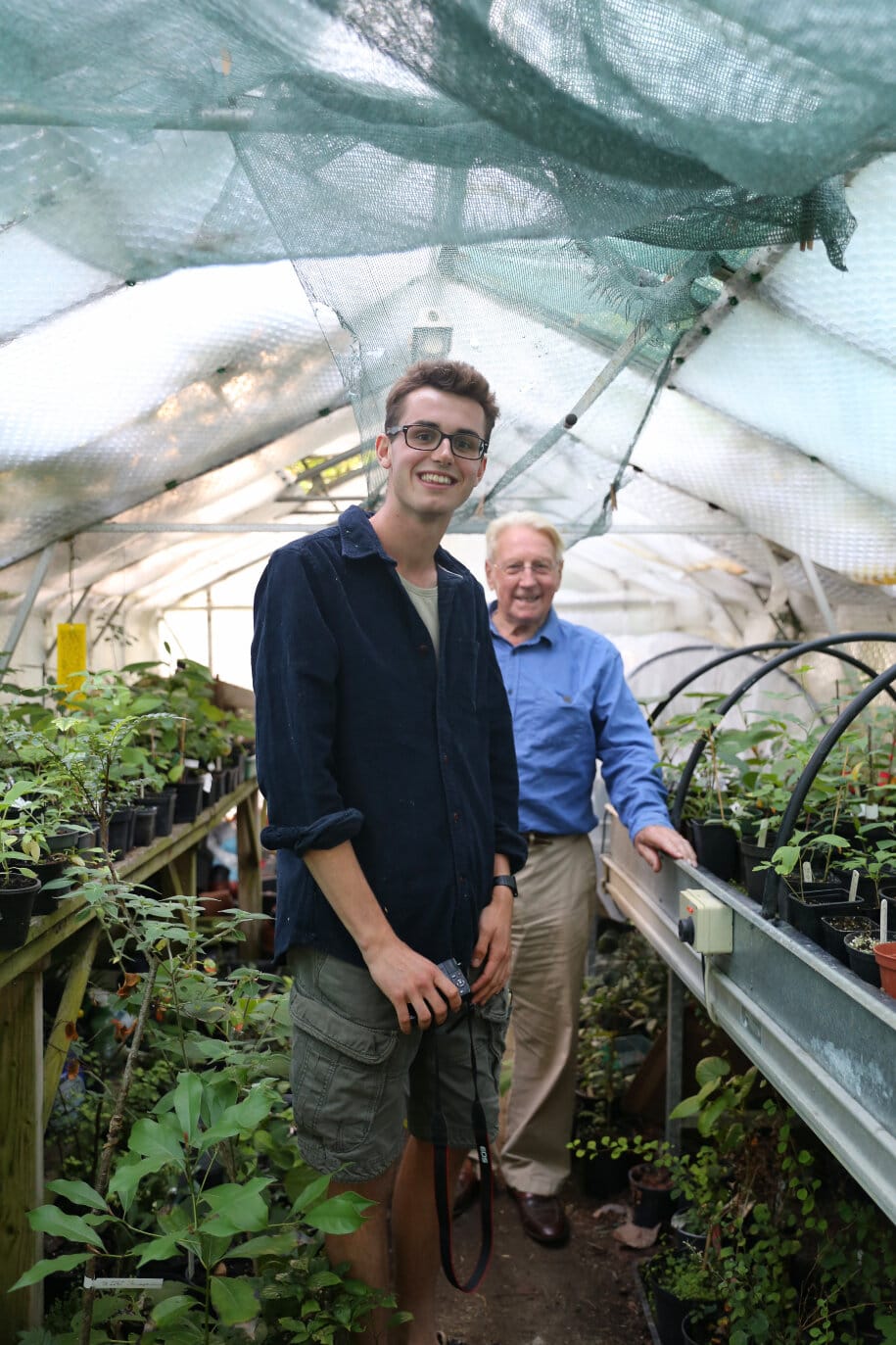
Fellow RHS Wisley student and housemate Jack Aldridge organised the trip to go and look at Maurice’s magnificent collection of Hydrangea aspera. Jack was just 19 when we started at Wisley 2 years ago, but the depth of his encyclopaedic knowledge of woody plants is something I think I’ve only scratched the surface of in conversation. He’s already contributing to key information sources like Tree and Shrubs Online. Bringing a few of his fellow Wisley students to visit Maurice at White House Farm was something he had been excited to do for over a year.
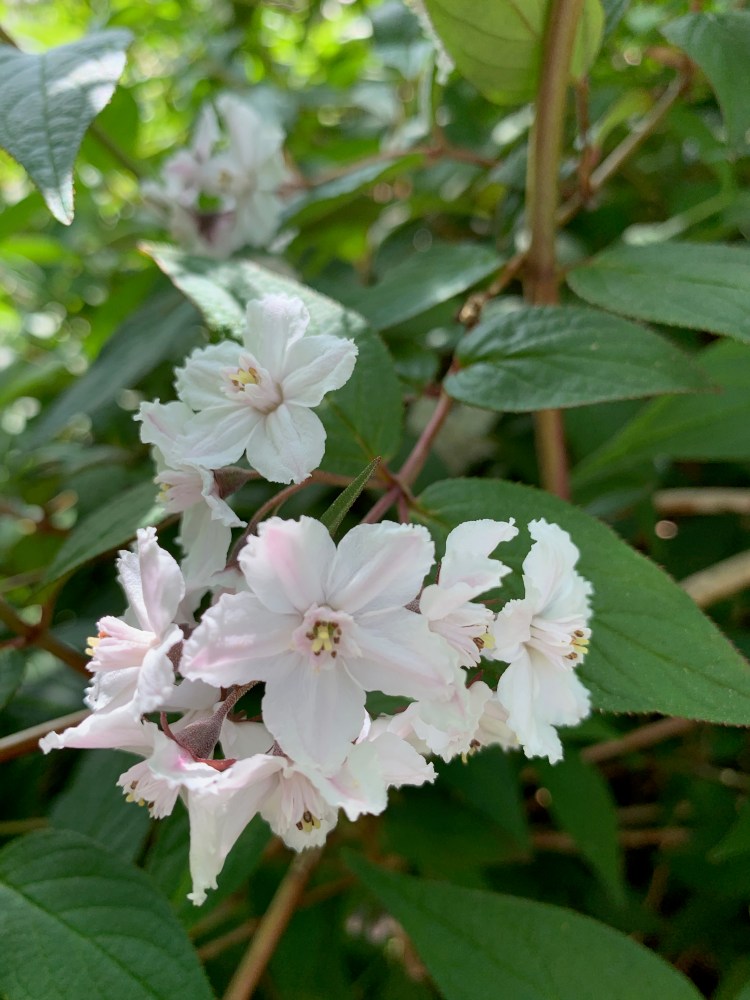
After a warm welcome from Maurice and Clare, we had tea and cake under an old Bramley apple tree. Maurice told us about how Hydrangea aspera are hugely diverse in their flowers, foliage, form and hardiness. So much so this group of plants was once considered to be 31 distinct forms, but is now seen one species, with four subspecies, and two groups. They occur in the wild in the Himalayas and Burma, China into Vietnam, along with the islands of Taiwan, Sumatra and Java. Yunnan Province in Western China is the best place to see them, growing as a weedy pioneer species, colonising bare ground like birch and sycamore do here in Britain. The wide range of Hydrangea aspera all have differing tolerances of frost, wind exposure, and scorching midday sun. It’s certainly worth making sure you choose a plant suited to your conditions, or vice versa. Broadly, provide shelter from freezing easterly winds, and avoid planting in frost pockets. They need moisture-retentive soil, and ideally are cast into shade during the hottest part of the day. Smaller-leaved forms can take more sun. Soil pH will not affect flower colour as in other Hydrangea species. Villosa Group are most frost-hardy, while subsp. strigosa forms are best avoided in all but mildest gardens.
Jack recommends the following Hydrangea aspera;
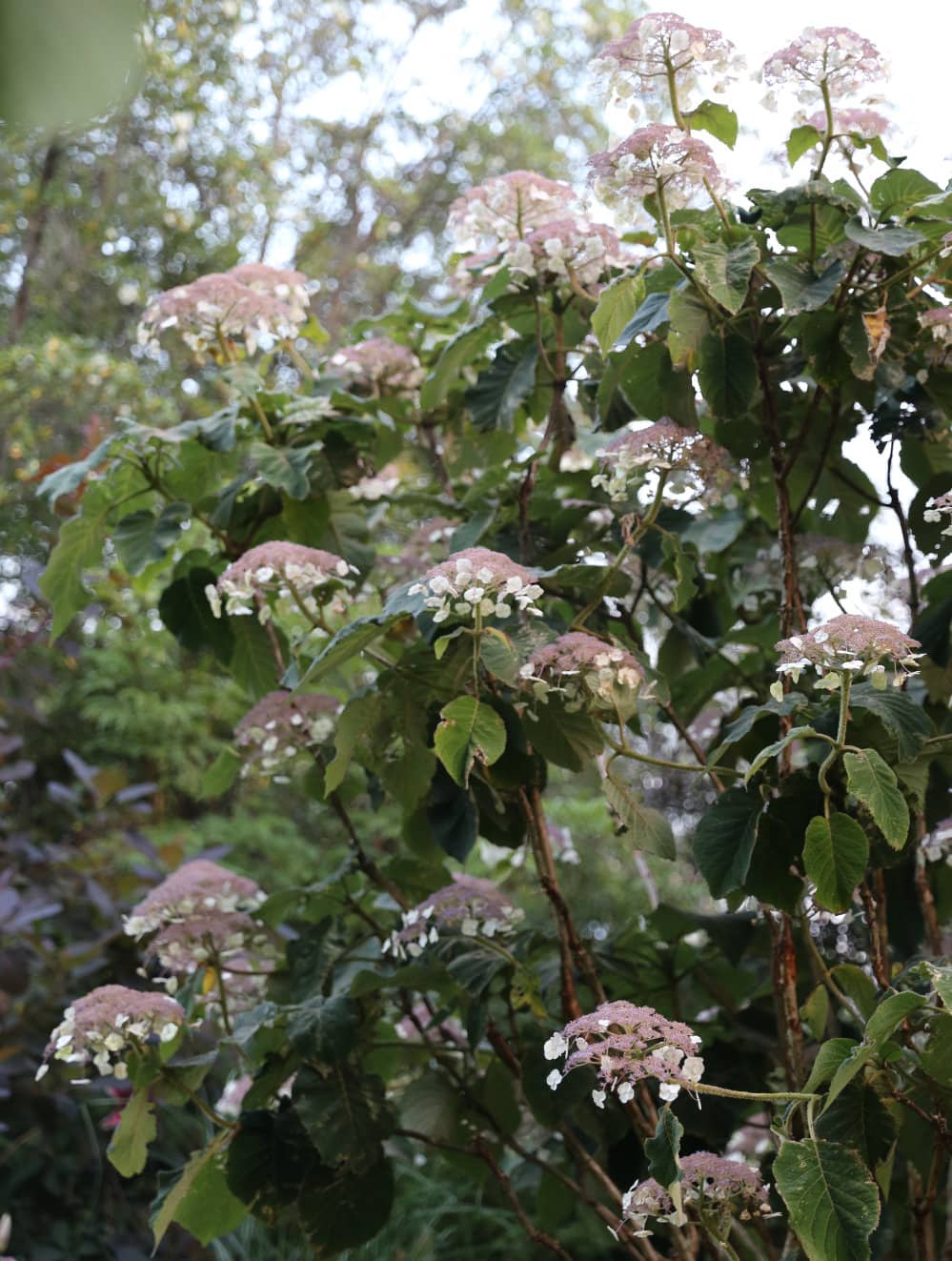
subsp. sargentiana – Best grown in soil that doesn’t dry out, with good light, but overhead tree cover. Worth growing just for its enormous tactile furry leaves, but relatively early pale lilac flowers in July are a bonus. The best form is ‘La Fosse’, originating at a French arboretum of the same name.
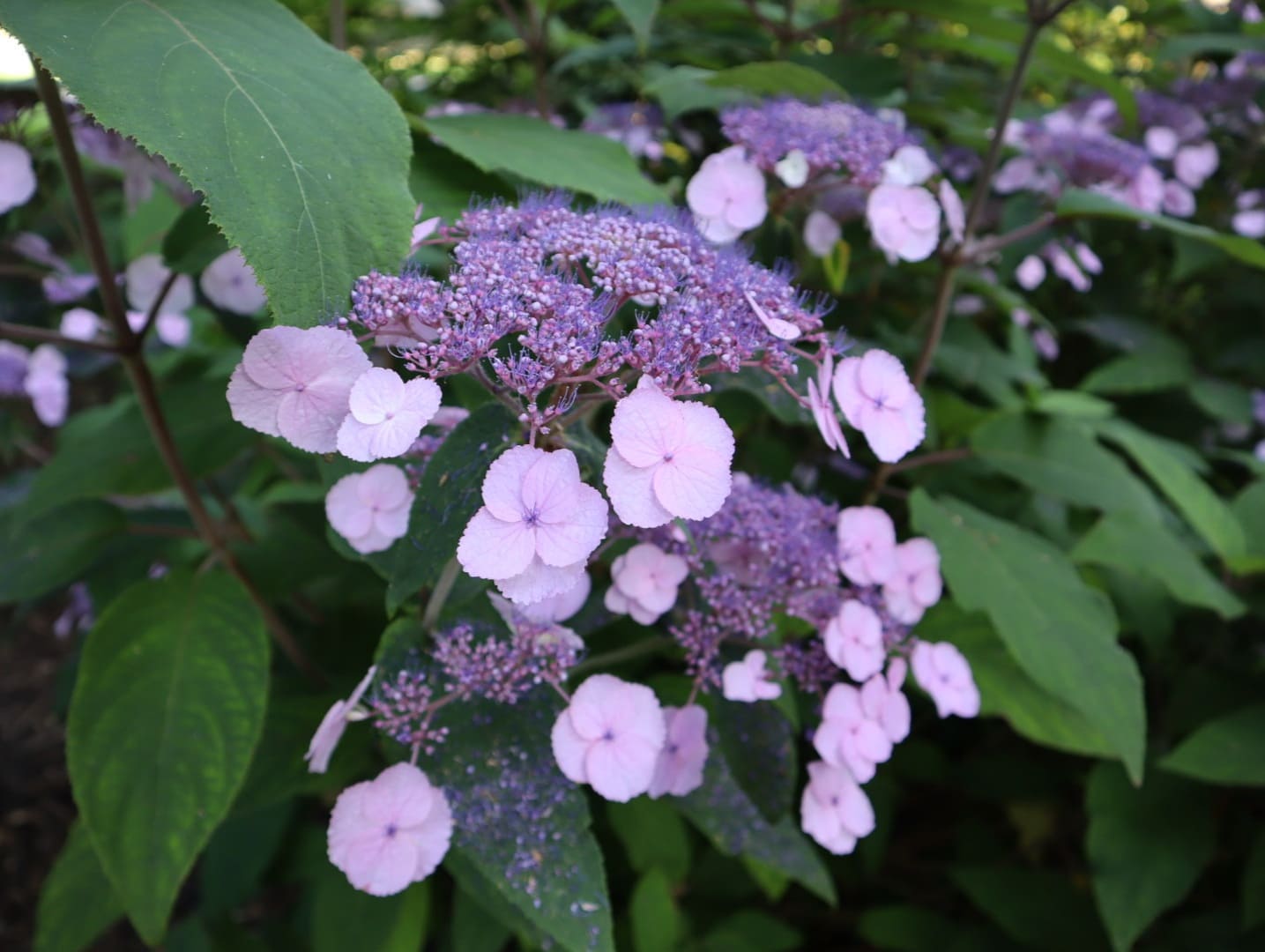
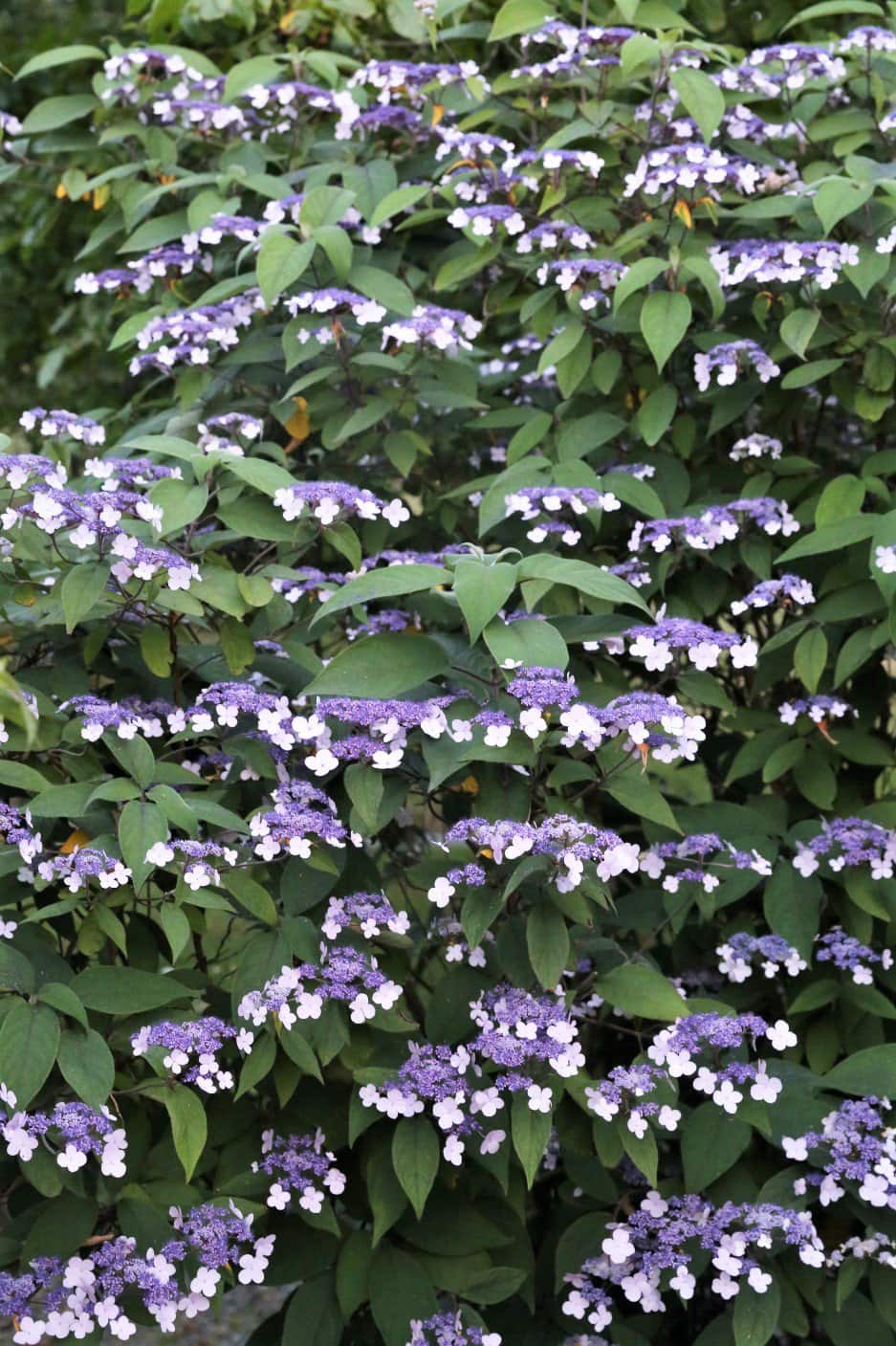
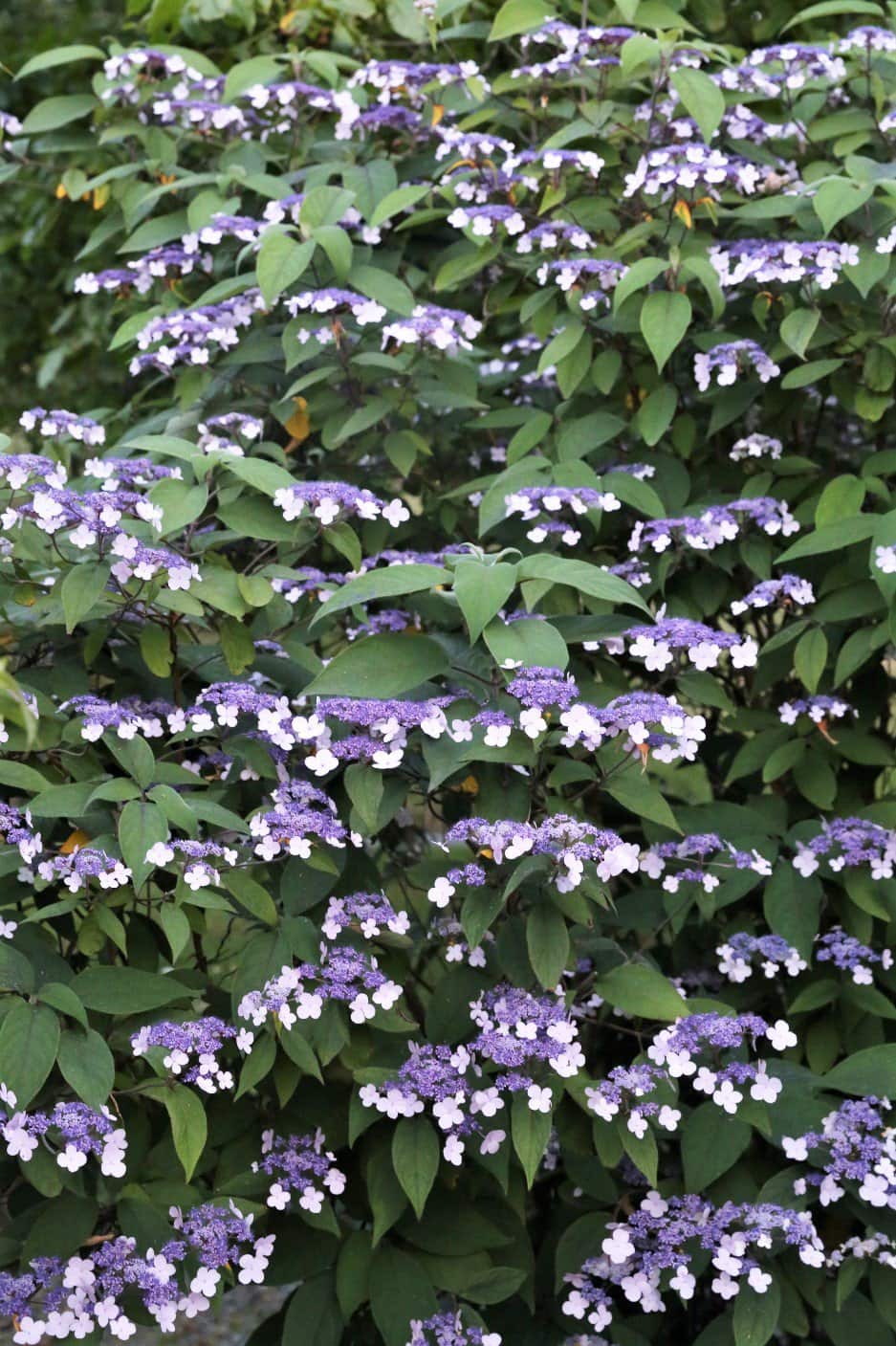
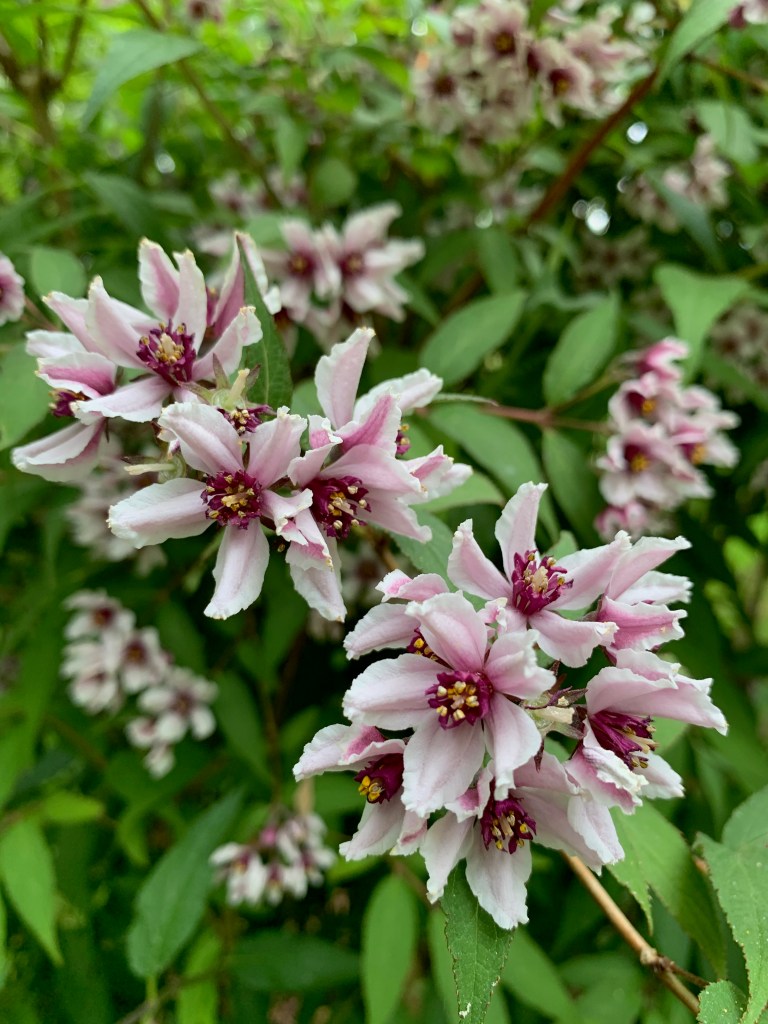
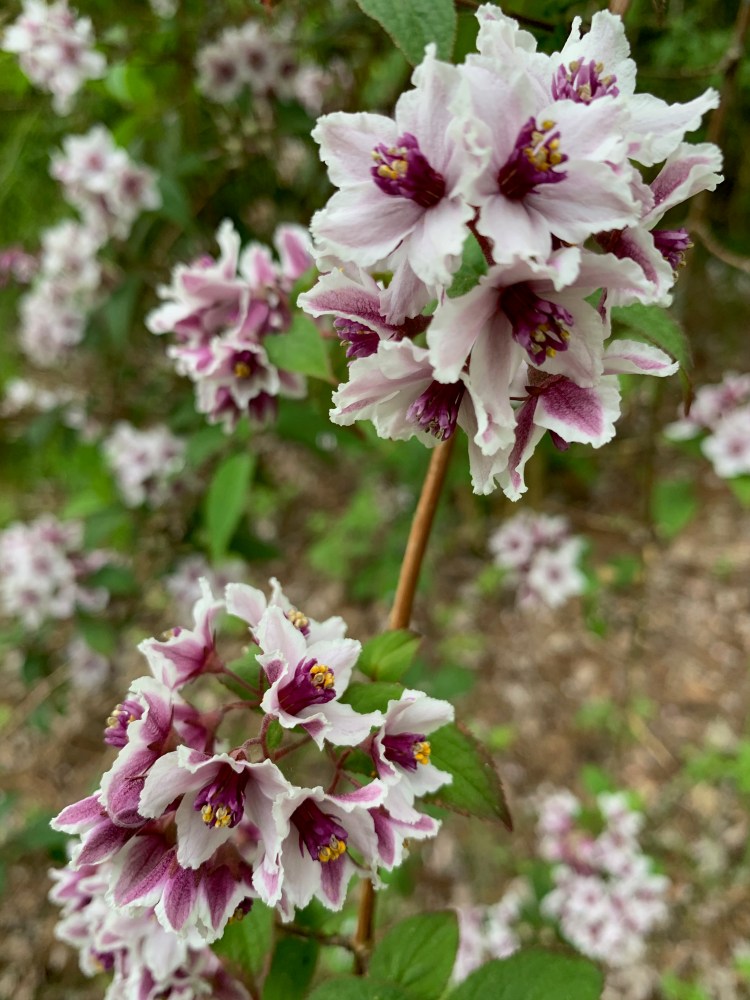
Villosa Group – This is the most common form of Hydrangea aspera, being overall hardy, from higher altitudes and northerly latitudes. In the front rank of all late summer flowering shrubs, putting on superb show in August. Flowers intense purple with lilac ray flowers, which look effective into autumn. ‘Velvet and Lace’ AGM is a great form to look out for.
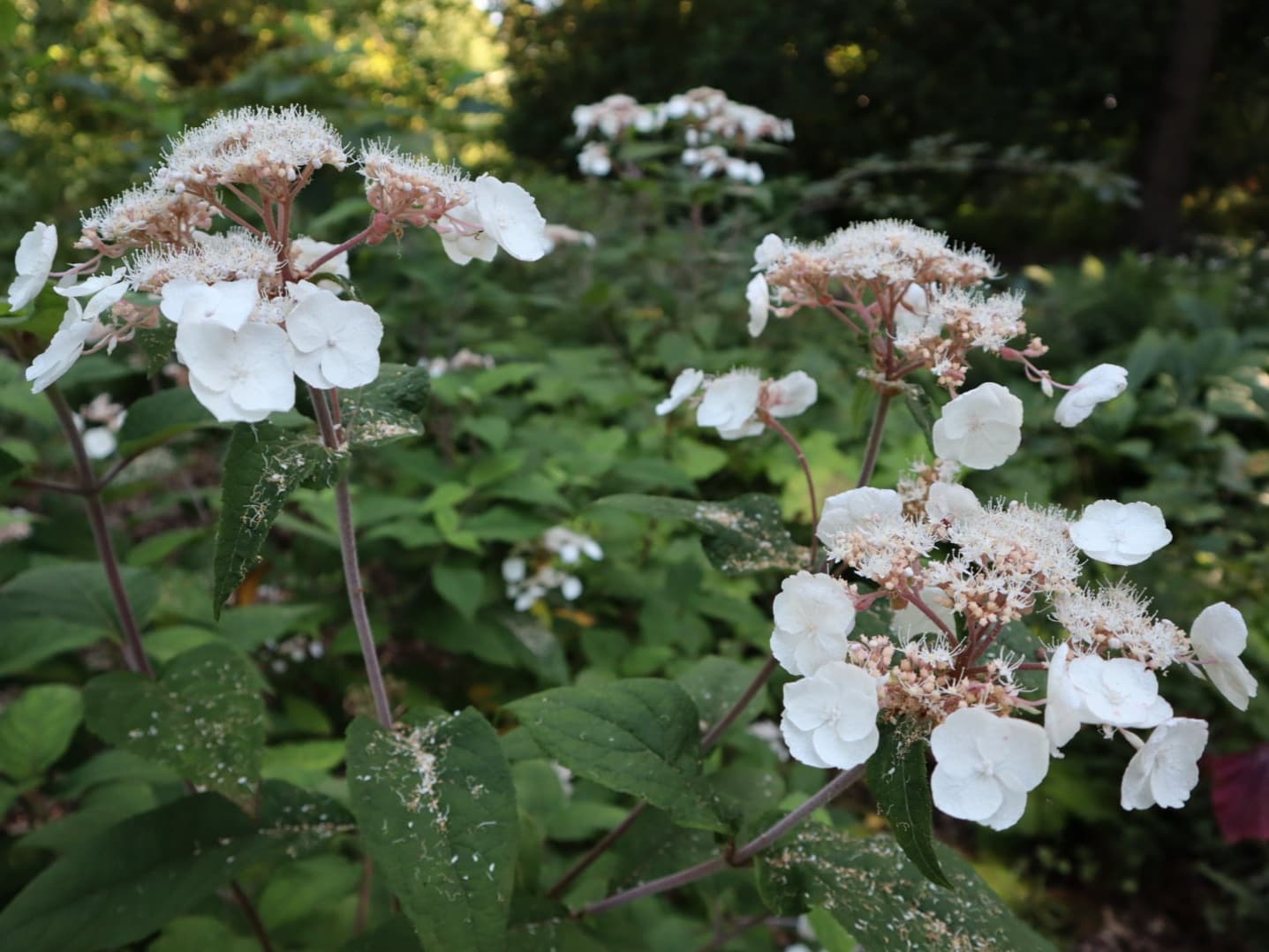
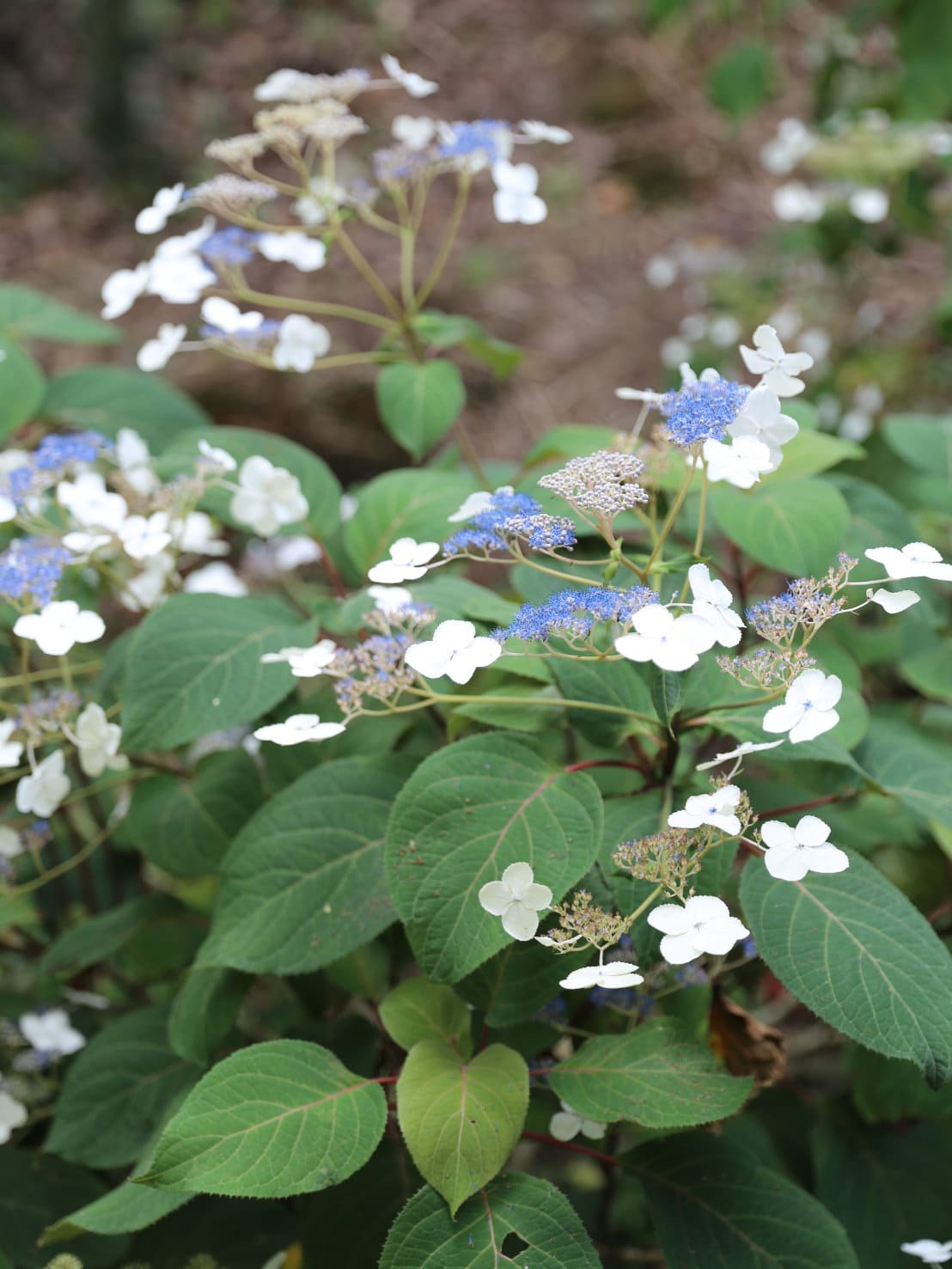
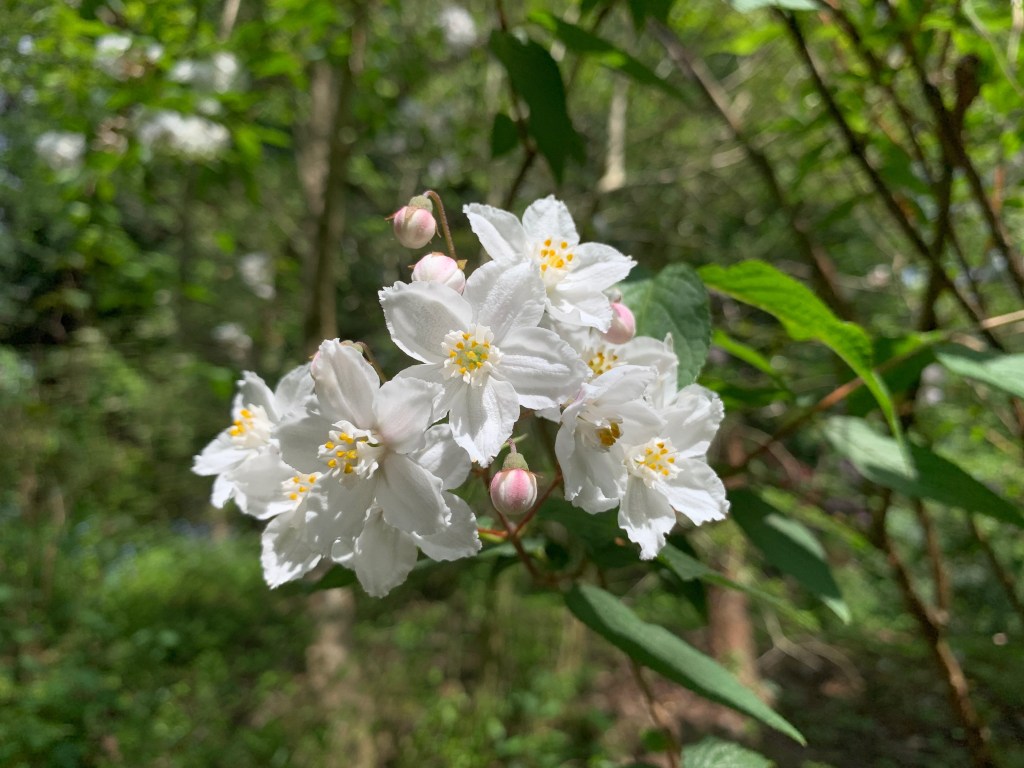
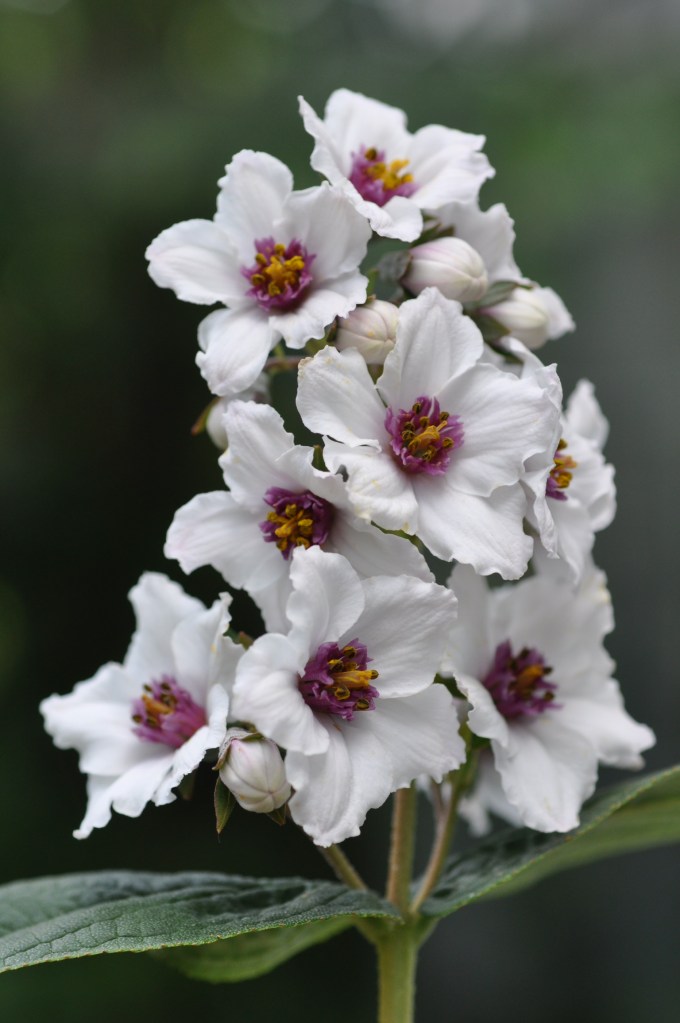
‘Peter Chappell’ – a very handsome white flowered form, with all parts of the flower fully white, to strong effect. A generally more compact plant than other forms. ‘Mauvette’ is pale lilac in flower, but very similar in all other respects e.g. flowering early July, more tolerant of full sun – very useful for using in a sunny mixed border, where other forms would not be suitable.
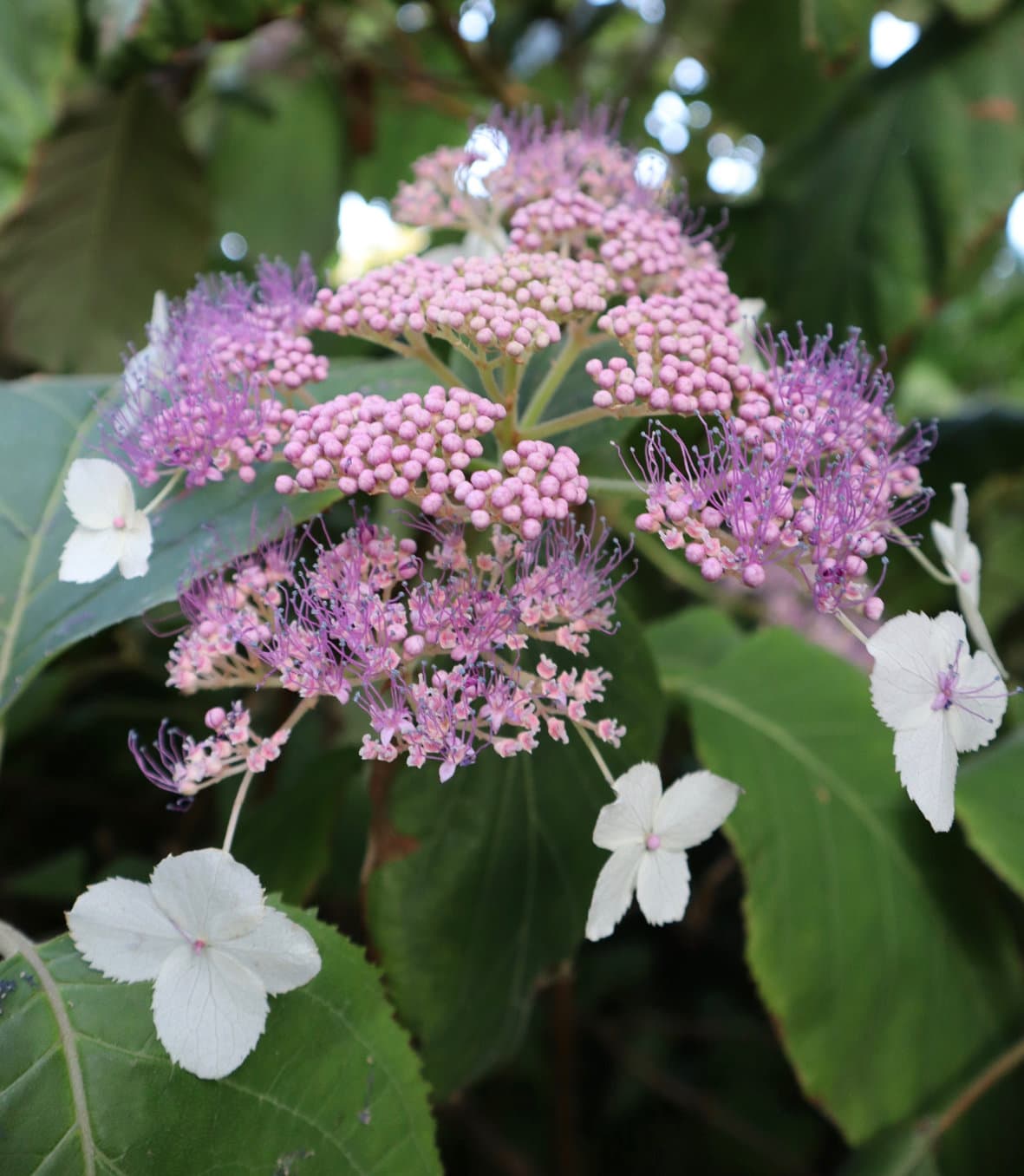
Kawakamii Group – originating from Taiwan. Plants in this group make large, wide-spreading shrubs, characteristically wider than tall. They flower relatively late, in late August to September. ‘Lishan’ and ‘September Splendour’ are both excellent named forms, from Crûg Farm Plants.
Coloured-leaved forms
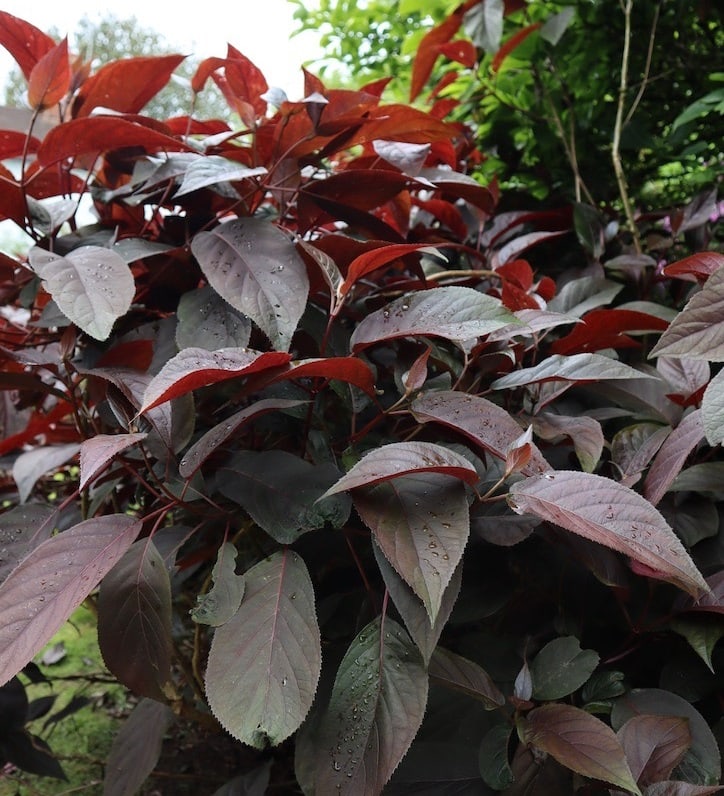
Japanese botanist Mikinori Ogisu found purple-leaved Hydrangea aspera growing in Hubei in China, and brought it into cultivation in 1998. This can be found under the name ‘Koki’ in Europe, with exceptional beetroot purple young growth all summer, with strong red-purple underside.
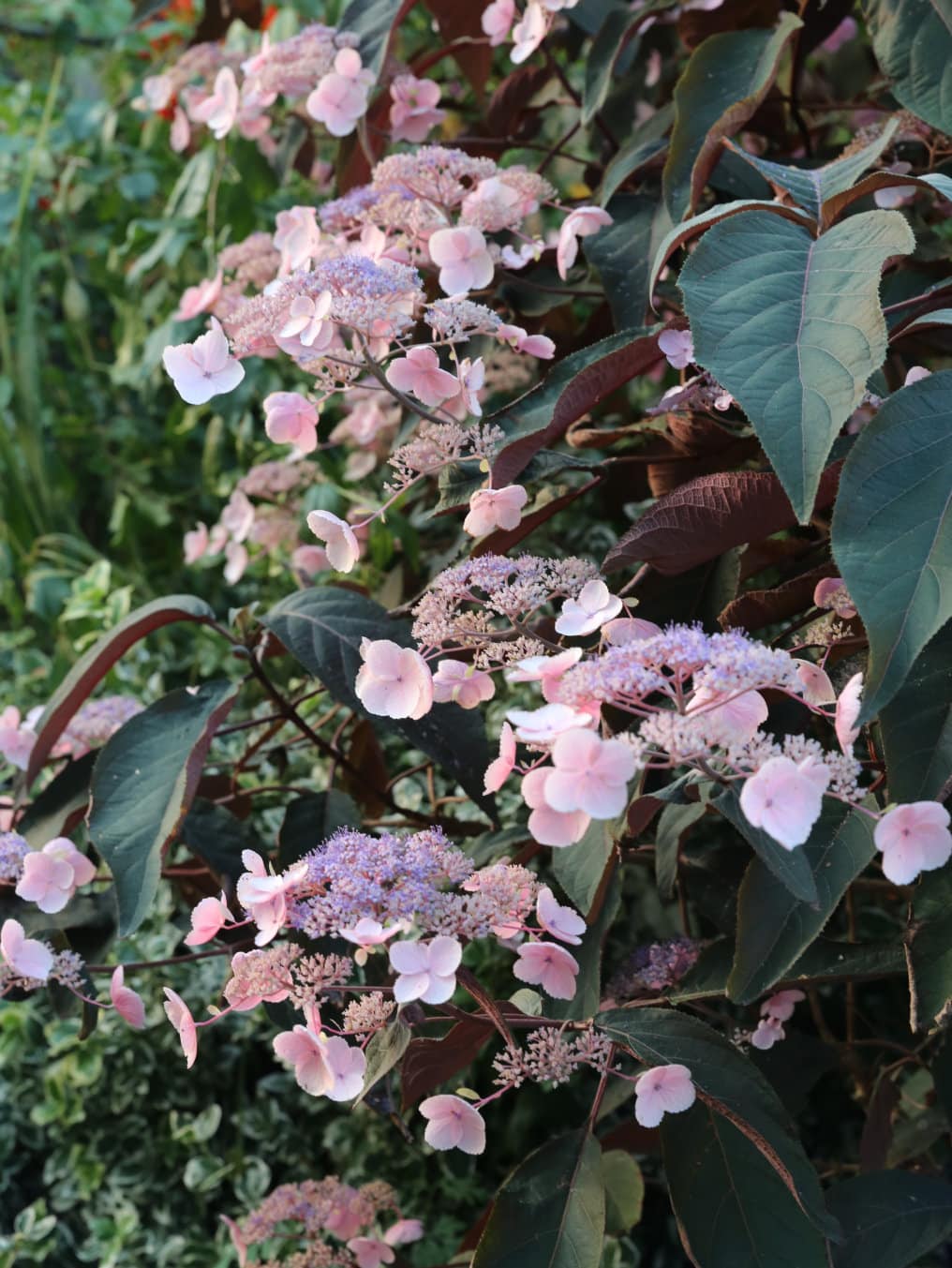
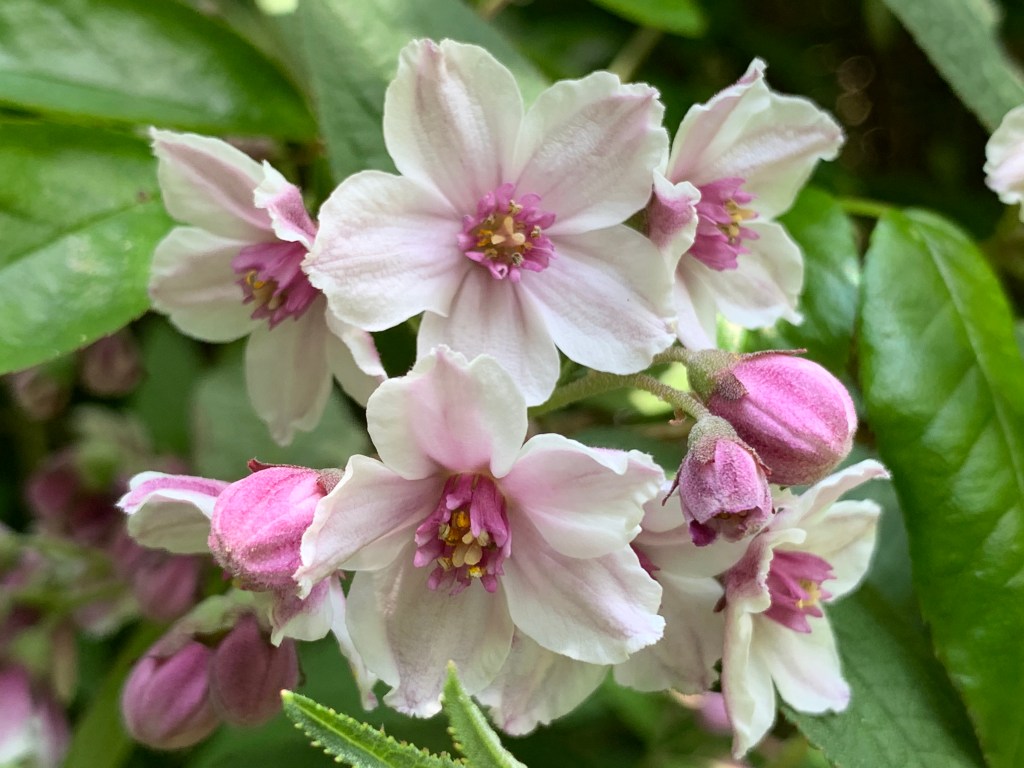
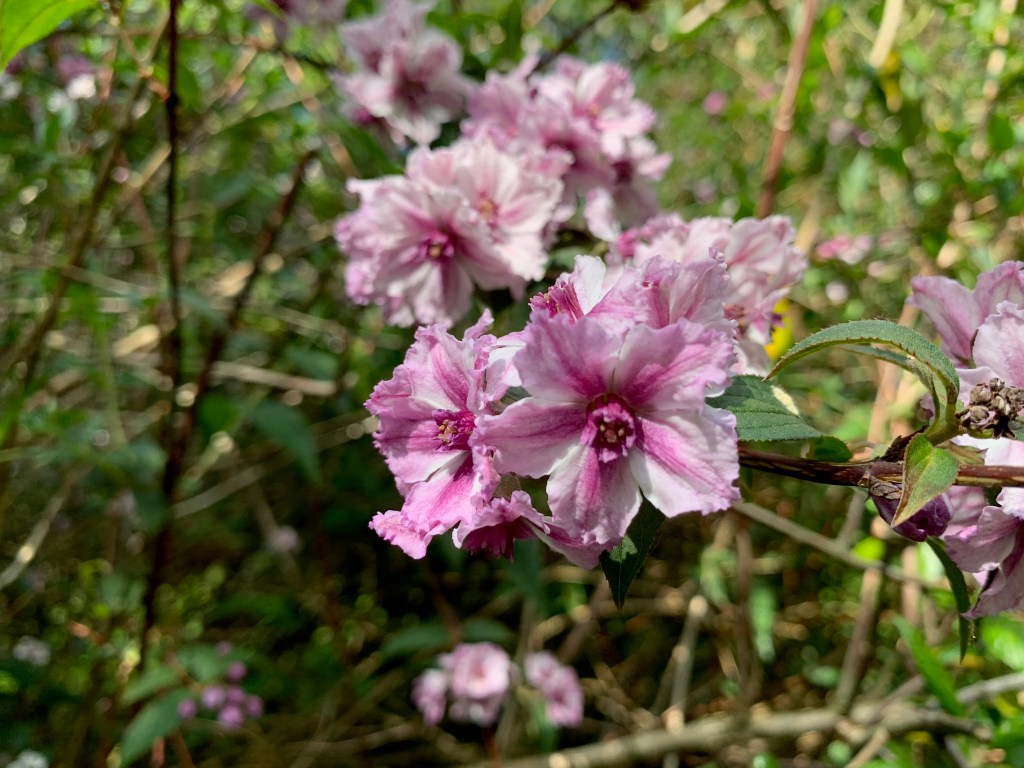
In 2006 Maurice Foster used ‘Koki’ to breed perhaps one of the best Hydrangea aspera of all, the popular ‘Hot Chocolate’, selected for its overall improved hardiness, relatively compact habit and larger, brighter shell pink sterile flowers. The blooms are set off against dark olive green and purple foliage, bronze when backlit by the sun.
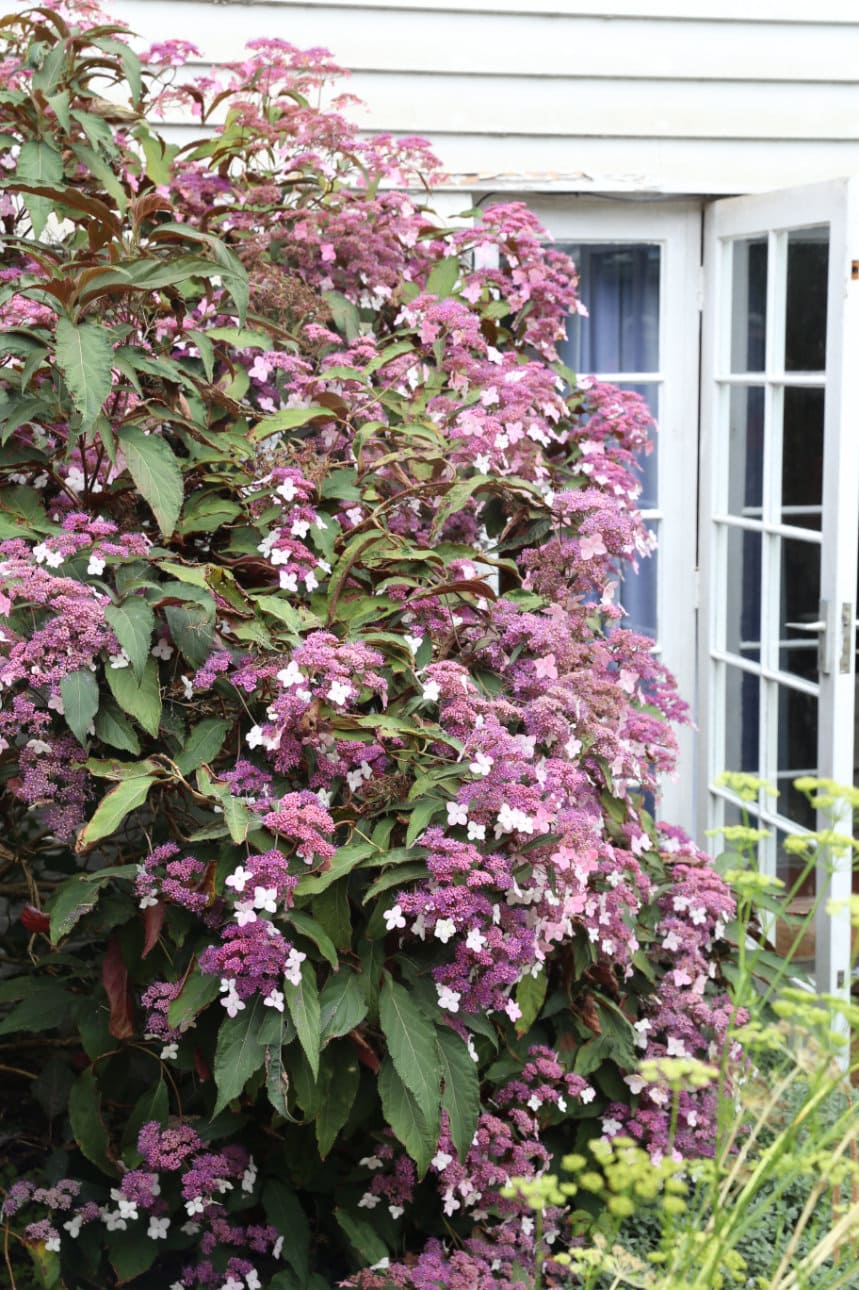
Using ‘Hot Chocolate’ as a parent, Maurice has raised even more exciting plants since, with highly attractive red undersides including ‘Rosemary Foster’, which is a really stand-out plant, named for Maurice’s late wife.
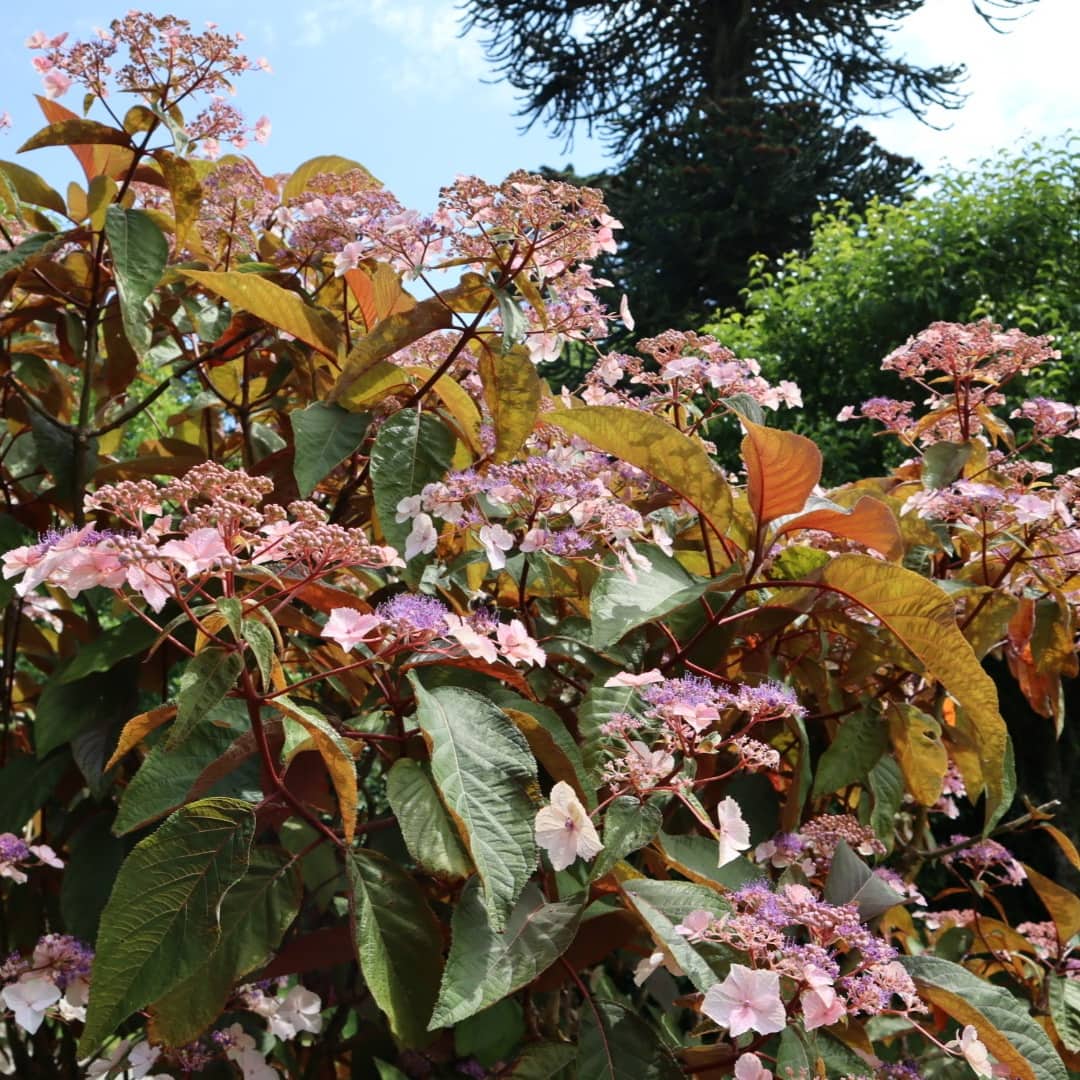
The most desirable form with coloured foliage is Hydrangea aspera subsp. strigosa ‘Gong Shan’ – a gorgeous form with large, saturated bronze foliage, impressively large and complex flowers on a vigorous upright shrub. Unfortunately only suited to frost-free parts of the UK. It was collected by Maurice Foster and Tom Hudson of Tregrehan Garden in Cornwall, where you can see the best specimen in their walled garden. Look out for it at their early summer plant fair: sometimes Tom’s potted up some cuttings for sale!
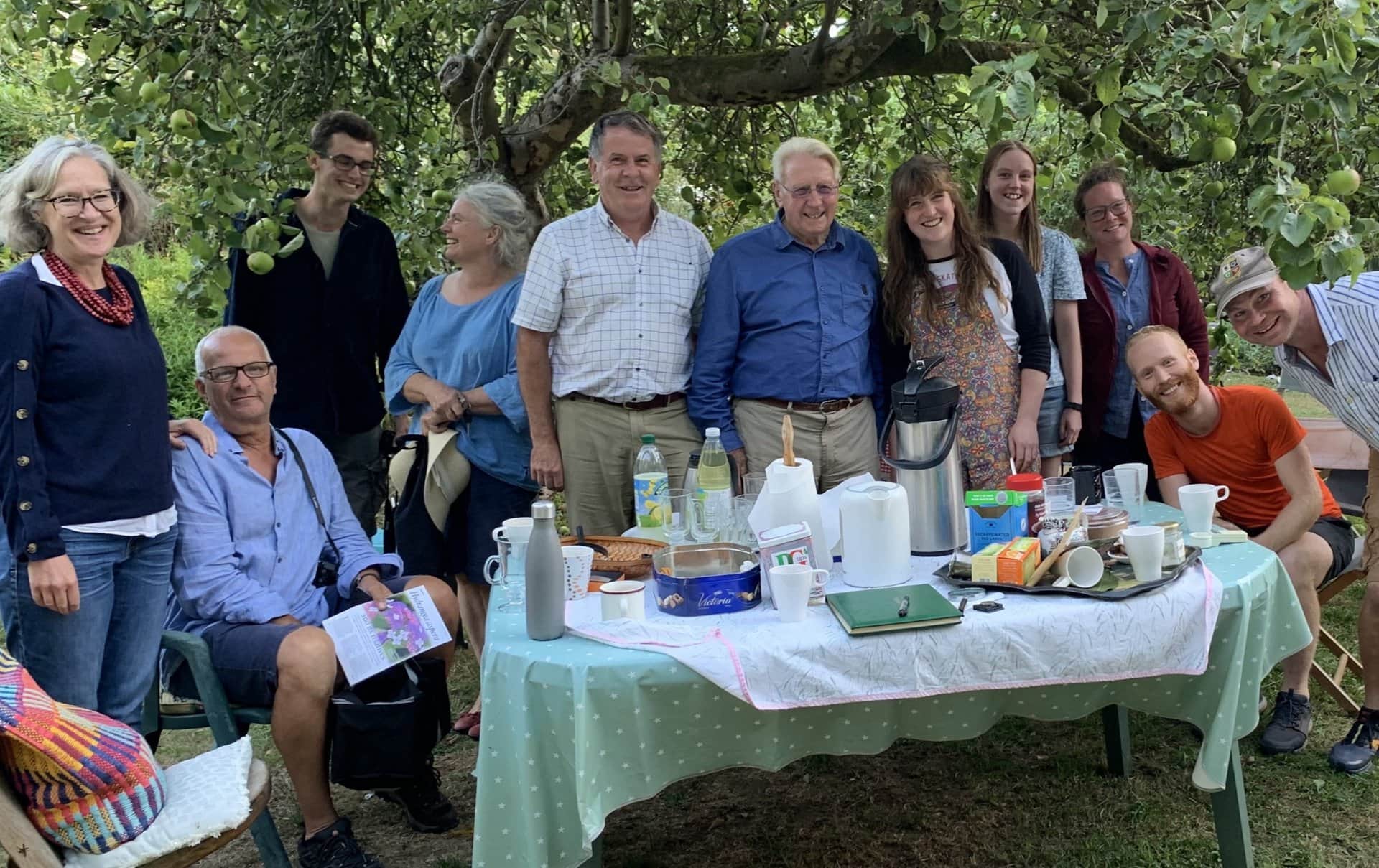
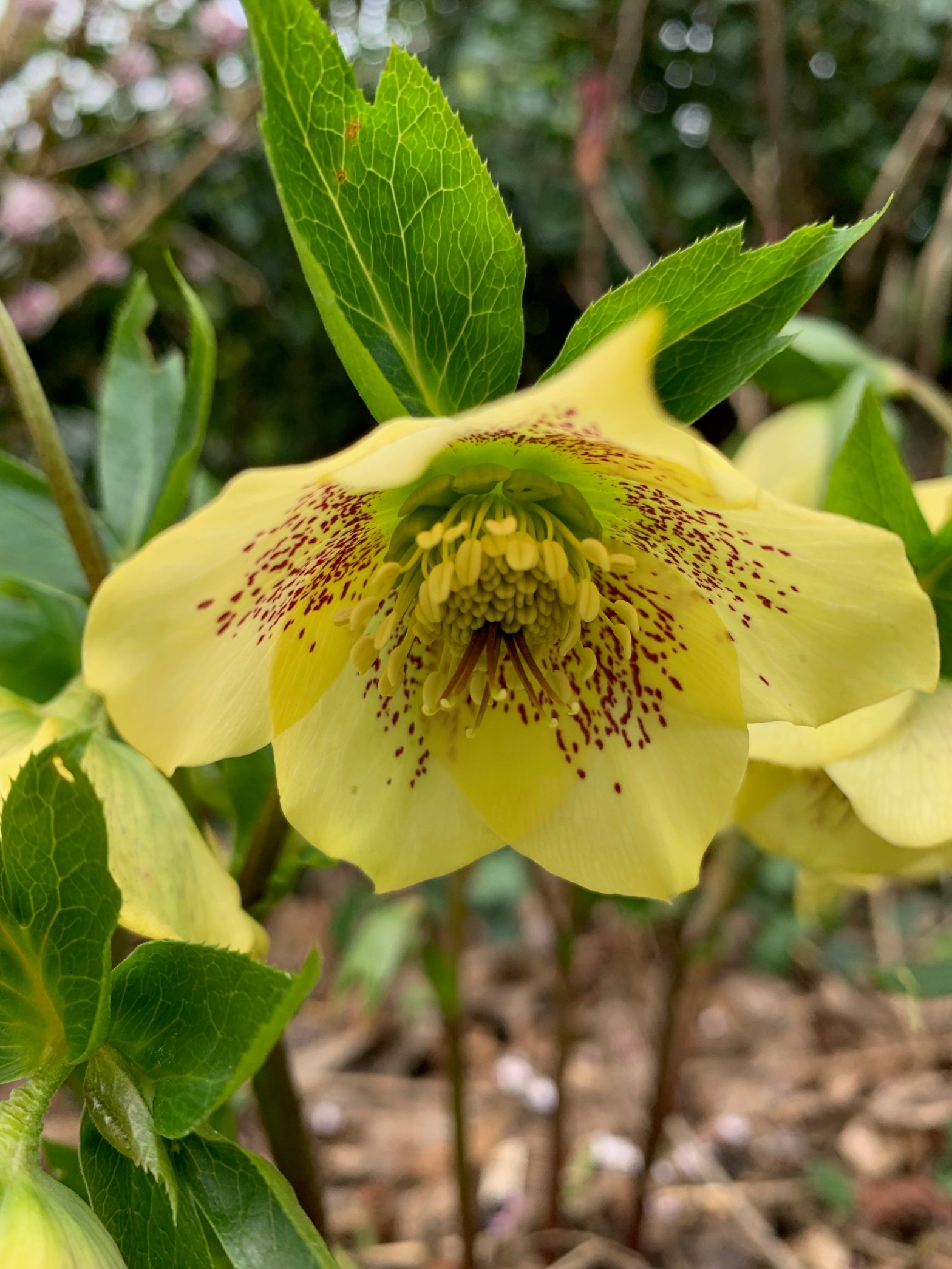
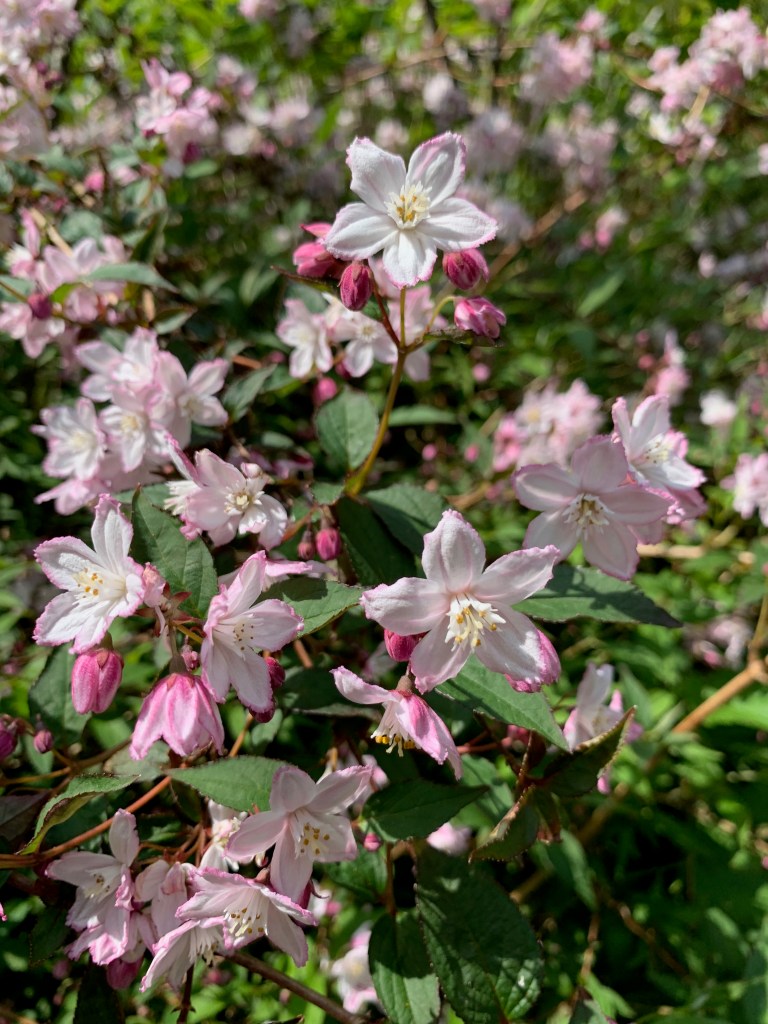
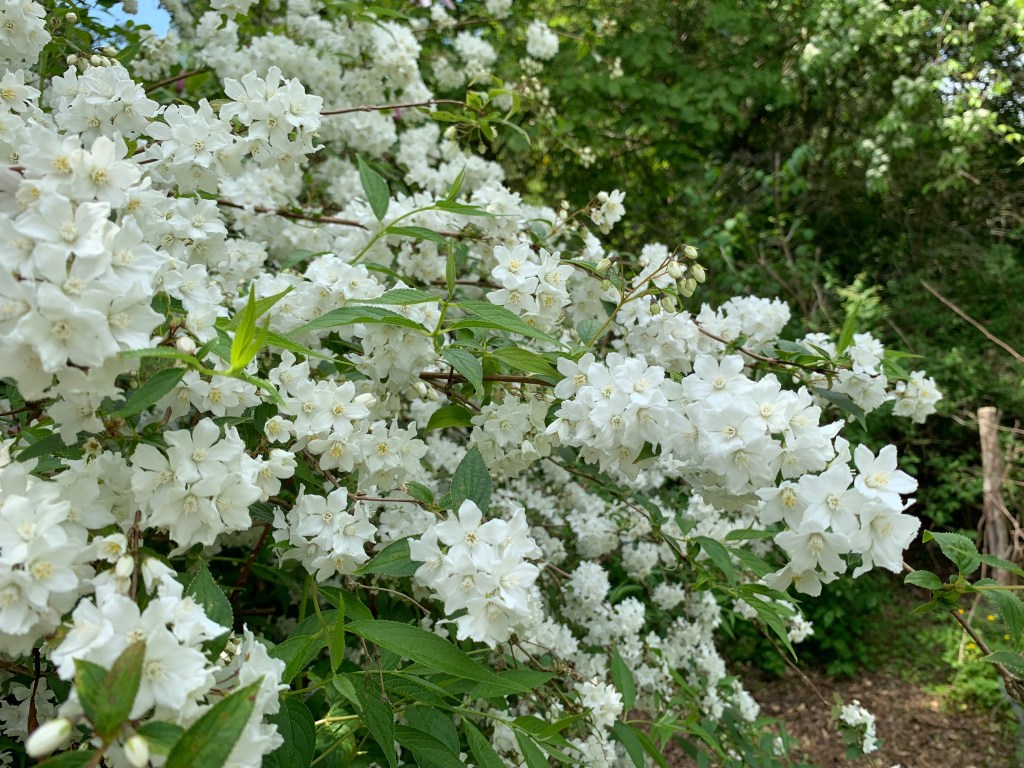
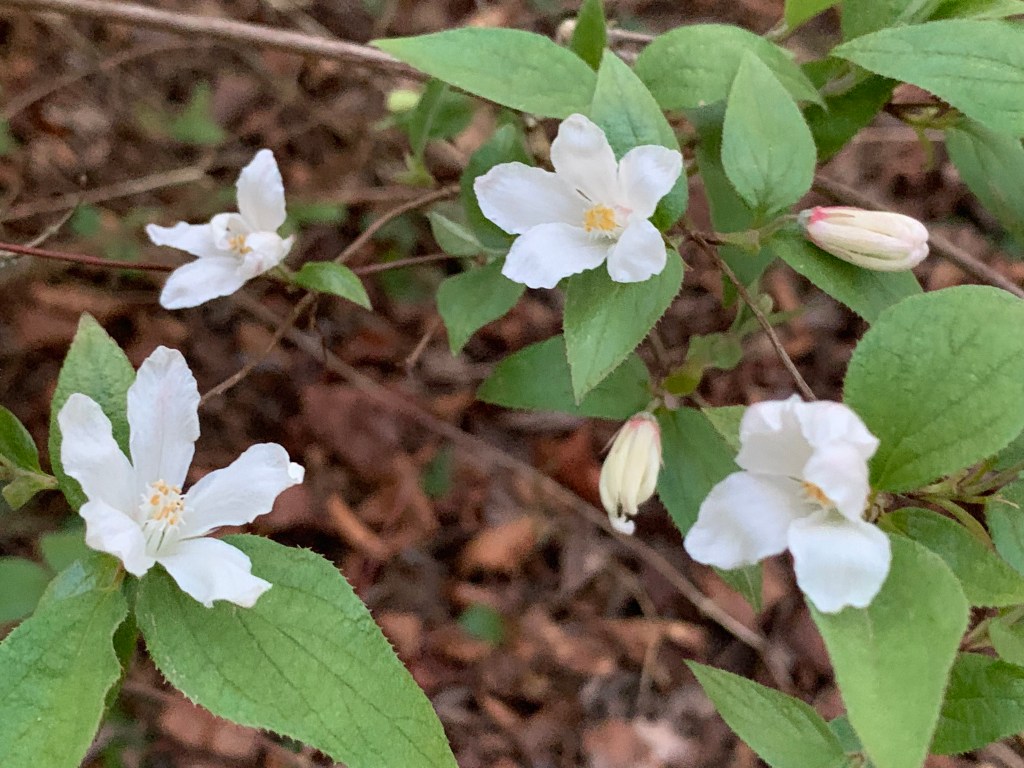
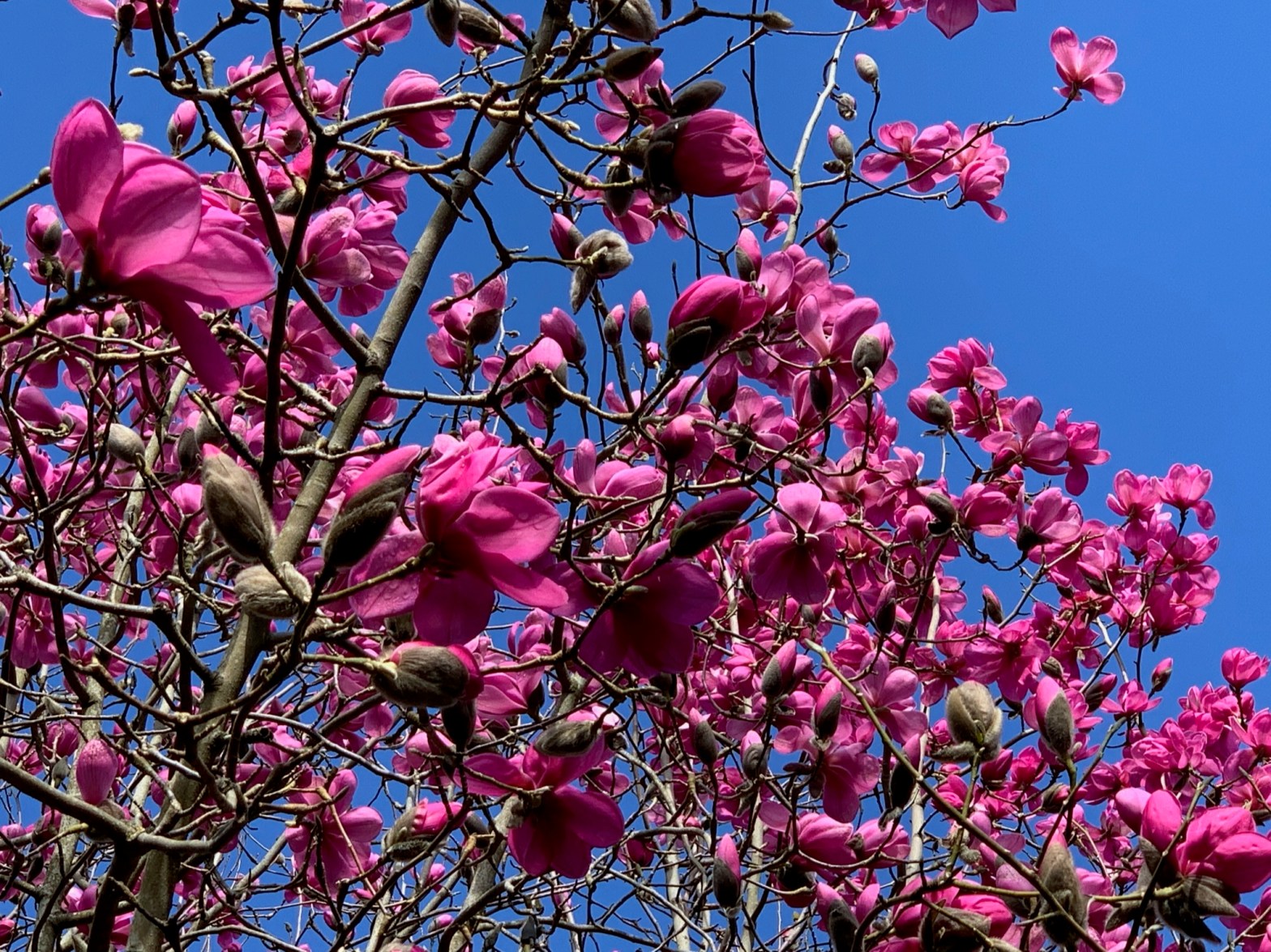
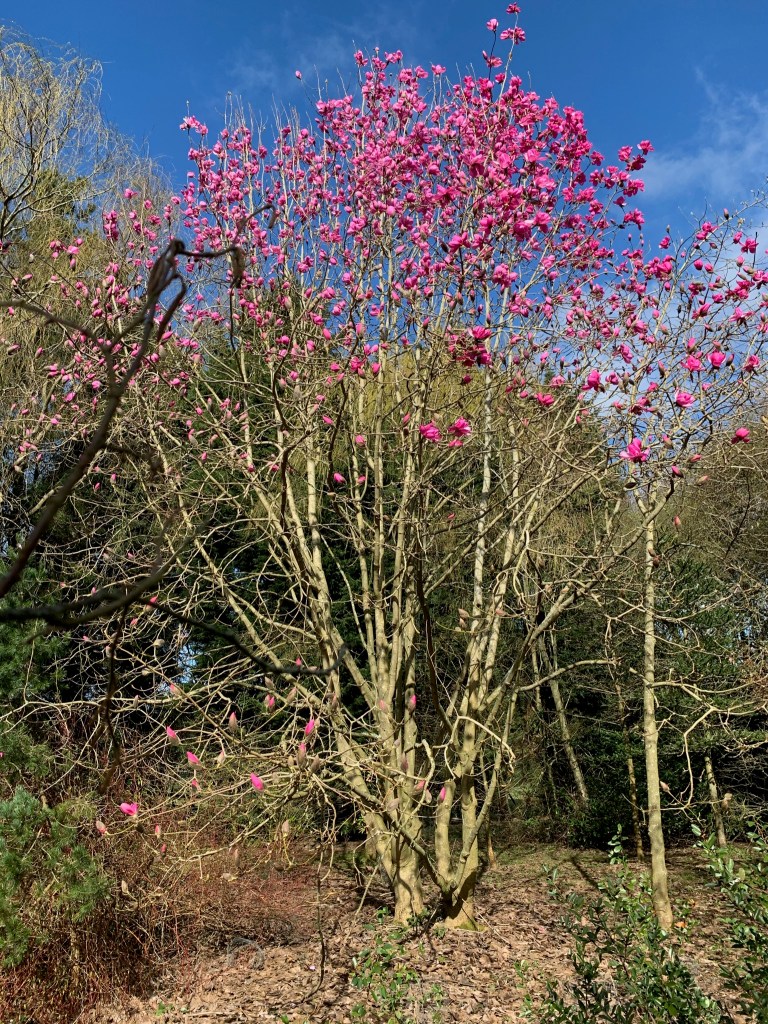
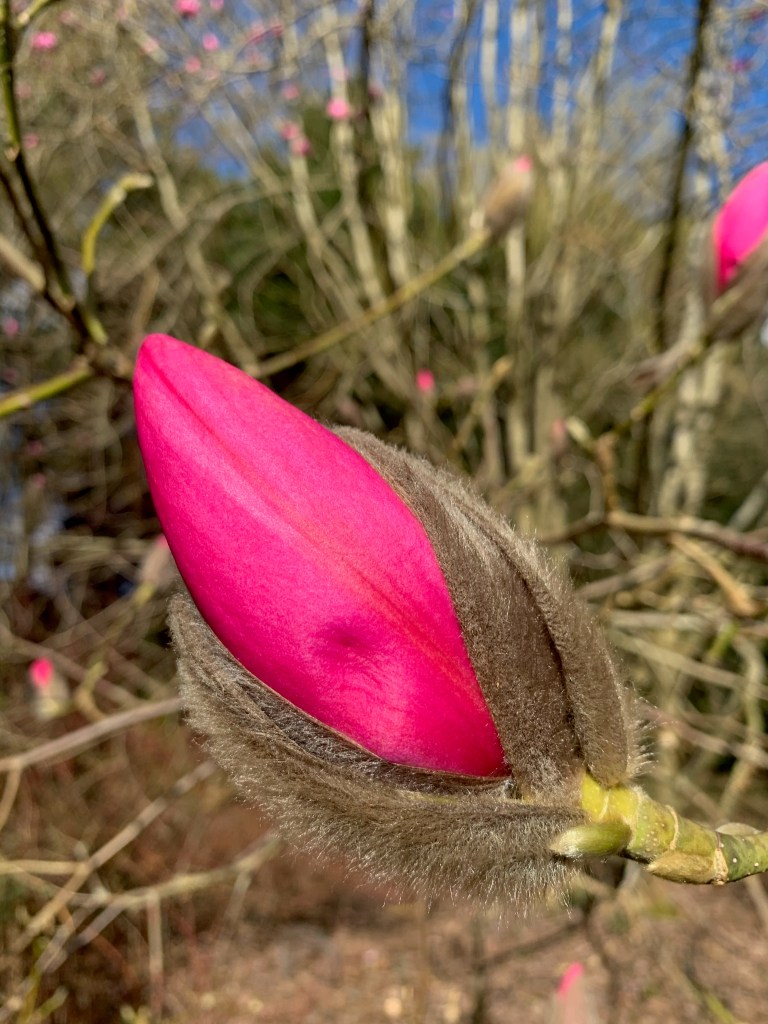
Hydrangea are just one of the many genera that have been developed by Maurice over the years into into a totally unique and invaluable collection. Rhododendron, Magnolia, Camellia, Viburnum, Wisteria, Clematis, Philadelphus, and Deutzia, are some of the other flowering trees and shrubs that are highlights at White House Farm, plus there’s climbing roses and a vast range of trees. We very much appreciate the generosity of Maurice and Clare for hosting and guiding us, sharing their invaluable knowledge, and the various cuttings we came away with. May this be the start of a new era of discovery, as more people discover this unrivalled collection. And thank you Jack for sharing your knowledge and wisdom on this much underused species, and for being the best Wisley housemate anyone could wish for!
About the author: Owen Hayman
Owen, an RHS qualified horticulturist with a full Level 3 Diploma in Horticulture came in the top 3 at the 2019 Northern Regional Final of The Young Horticulturist of the Year.
He originally came to horticulture from Fine Art, switching from a Fine Arts Foundation Diploma to gain a degree and a masters in Plant and Soil Science from the University of Sheffield in 2014. He then worked as a researcher on various field research projects in Alaska, Panama and Borneo. When not away in the field, he became obsessed with visiting gardens and nurseries across the British Isles and the Netherlands, began developing his own garden, and then took on a walled allotment garden as a personal project. He realised his true passion was in horticulture, and so moved away from academia and into the world of specialist plant nurseries and professional gardening. He first joined the garden design firm Bestall & Co as a member of the planting and aftercare team in spring 2019, but is now completing his Wisley Diploma while continuing to write articles for Bestall & Co on a monthly basis, who say they are ‘delighted to maintain contact with such a passionate and knowledgable plantsman’.









 White House Farm Garden and Arboretum